Is Your Lanai Tile Separating? Early Warning Signs Bonita Springs Homeowners Should Know

You are out on your lanai on a quiet Saturday morning, coffee in hand, when you notice something odd underfoot. A section of tile sounds hollow when you step on it. Or maybe you have spotted a hairline crack running along a grout joint that was perfectly fine last month. In Bonita Springs, where lanai living is a way of life, these subtle changes can be early warning signs that your outdoor tile is starting to delaminate from the substrate beneath.
Tile delamination is more than a cosmetic issue. Left unchecked, it can lead to loose tiles, water intrusion, and costly repairs down the road. Southwest Florida's unique climate, with its high humidity, salt air, and intense sun, creates conditions that accelerate tile failure if the installation was not done correctly or if the substrate has shifted over time. Here is what to watch for and when to bring in a licensed tile contractor.
What Tile Delamination Actually Means
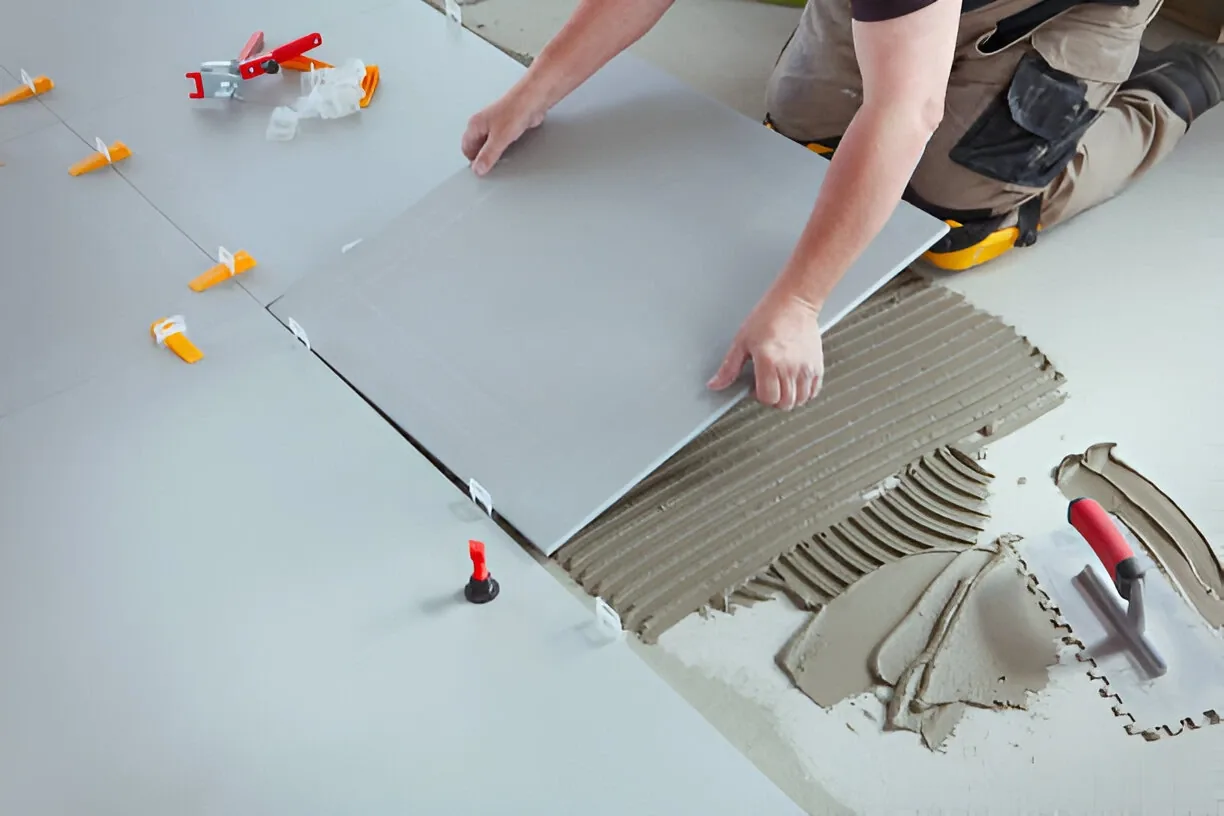
Delamination occurs when the bond between the tile and the substrate beneath it begins to fail. The substrate is typically a concrete slab on lanais and pool decks in this region. Over time, moisture, temperature swings, and structural movement can weaken the thinset mortar that holds the tile in place. Once that bond breaks down, the tile is no longer firmly attached, even if it still looks normal from above.
In Bonita Springs, we see this a lot in lanais that were installed without proper expansion joints, or where water has found its way under the tile through compromised grout. Salt air from nearby coastal areas can also accelerate corrosion of any metal components in the installation system. The result is a tile floor that may look intact but is slowly separating from what lies beneath.
Warning Sign One: The Hollow Sound Test
The most reliable DIY check for delamination is the hollow sound test. Walk slowly across your lanai and listen carefully to the sound your footsteps make. Solid, properly bonded tile produces a firm, consistent click or thud. Delaminated tile sounds hollow or drum-like, almost like you are walking over a empty space.
To confirm what you are hearing, try this: take a coin or the handle of a screwdriver and gently tap across the surface of suspect tiles. Compare the sound to tiles you know are solid. A clear hollow or ringing sound indicates the tile has lost its bond. Mark these areas with a small piece of painter's tape so you can track them over time or show a contractor exactly where the problem lies.
Warning Sign Two: Hairline Cracks at Grout Joints
Grout is designed to fill gaps between tiles, not to bridge movement. When tile begins to separate from the substrate, the grout joints often show stress first. Look for hairline cracks that run along the edge where grout meets tile, especially in high-traffic areas or near doors and corners.
These cracks differ from normal grout shrinkage or surface crazing. Delamination-related cracks tend to follow the tile edge precisely and may widen over weeks or months. In some cases, you may also notice grout that appears to be lifting slightly out of the joint. This is a sign that the tile itself is moving independently from the slab beneath it.
Warning Sign Three: Slight Lippage or Height Shifts
Lippage refers to when one tile edge sits higher than its neighbor. Some lippage can occur during installation if tiles were not perfectly leveled. But new or worsening lippage in an older installation often points to delamination.
Run your hand or foot across tile joints you suspect. If you feel a lip that was not there before, or if tiles seem to rock slightly when you step on one corner, the substrate bond has likely failed in that area. This is especially common near expansion joints or where the lanai slab meets the house foundation. Seasonal temperature changes in Southwest Florida cause concrete to expand and contract, and tiles that have lost their bond will shift with this movement.
Why Delamination Happens in Southwest Florida Lanais
Several factors make lanai tile in Bonita Springs particularly vulnerable to delamination. First, moisture is the primary enemy. Lanais are semi-outdoor spaces that experience rain, humidity, and occasional flooding during heavy summer storms. If water penetrates through grout or cracks and becomes trapped under the tile, it weakens the thinset bond over time.
Second, our climate creates constant expansion and contraction. Concrete slabs move with temperature changes, and tiles that were installed without adequate expansion joints have nowhere to go but up. Third, salt air from the Gulf and nearby bays can corrode metal lath or other components in the installation system, particularly on properties closer to the water.
Finally, many lanais in this area were installed decades ago using methods that do not meet current best practices. Older installations may lack proper waterproofing membranes or use thinset formulations that degrade faster in our humid environment.
When to Call a Licensed Tile Contractor
If you have identified hollow-sounding tiles, spreading cracks, or shifting lippage, it is time to consult a professional. Small isolated areas may be repairable by removing and replacing individual tiles, but widespread delamination often requires removing the entire installation and starting fresh with proper substrate preparation.
A licensed tile contractor will assess the extent of the damage, check for underlying slab issues, and determine whether the problem is limited to the tile or indicates a deeper structural concern. For Bonita Springs homeowners, working with someone experienced in outdoor tile installation is critical, as lanai and pool deck tile requires different techniques than interior flooring.
Do not attempt to reglue or inject adhesive under loose tiles as a DIY fix. These temporary solutions rarely hold in our climate and can trap moisture, making the problem worse. Similarly, avoid walking extensively on delaminated areas, as this can crack the tile and create sharp edges.
Preventing Future Delamination
If you are planning a lanai renovation or new installation, there are steps you can take to minimize delamination risk. Start with a qualified installer who understands Southwest Florida conditions. Proper substrate preparation, including cleaning, leveling, and applying the right primer, is non-negotiable.
Use polymer-modified thinset mortar designed for exterior applications and high humidity. Ensure expansion joints are placed according to industry standards, typically every 8 to 12 feet in outdoor installations. Consider porcelain tile, which is denser and less porous than ceramic, making it better suited for pool deck and lanai environments.
Maintenance also matters. Seal grout lines every two to three years to prevent water penetration. Clean your lanai regularly to remove debris that can trap moisture. After major storms, inspect your tile for new cracks or hollow spots before they become larger problems.
The Bottom Line
Delaminating lanai tile is a common issue in Bonita Springs, but catching it early can save you from expensive repairs. The hollow sound test, hairline cracks at grout joints, and new lippage are your three main warning signs. If you notice any of these, document the areas and reach out to a licensed tile contractor for an assessment.
Our team has been serving Southwest Florida homeowners since 2016, and we have seen every variation of lanai tile failure this region can produce. If you suspect delamination on your property, contact us at (239) 265-2814 for a free, no-obligation estimate. We can evaluate your lanai, explain your repair or replacement options, and help you get back to enjoying your outdoor space with confidence.