What Causes Tile to Crack on a Florida Slab and How to Prevent It
There is nothing more frustrating for a Southwest Florida homeowner than hearing that sickening crack underfoot or seeing a hairline fracture run right through an expensive tile. In Cape Coral and across the region, cracked floor tile is one of the most common calls we get, and almost always it traces back to the same three culprits.
Florida slabs behave differently than what you might have experienced up north. The sandy soil, high water table, humidity swings, and seasonal temperature changes all put stress on tile installations. Understanding what causes tile cracking on slab Florida homes experience helps you catch problems early and know what to ask when hiring a licensed tile contractor.
Slab Movement and Settlement in Southwest Florida
The single biggest cause of cracked tile is movement in the concrete slab itself. Cape Coral sits on sandy soil that shifts more easily than clay or rock foundations. When the ground moves, the slab moves, and rigid tile cannot flex with it.
Several factors contribute to slab movement in our area. The water table rises and falls with our wet and dry seasons, causing the soil to expand and contract. Heavy rains during hurricane season can saturate the ground under your home. Older homes built before modern slab standards may not have adequate reinforcement. Even normal settling over time creates stress points.
You will often see cracks follow a straight line across multiple tiles, which indicates the slab itself has shifted. If the crack runs through grout lines instead, the issue may be with the installation rather than the slab. Either way, slab movement is not something a homeowner can fix with DIY methods. A licensed professional needs to assess whether the slab requires leveling, stabilization, or if the tile can simply be replaced once movement has stopped.
Missing or Improper Expansion Joints
Expansion joints are the most overlooked detail in tile installations, yet they are critical for preventing tile cracks on concrete slab surfaces in Florida. Tile and grout are rigid materials that cannot expand or contract. When temperature and humidity change, the concrete slab underneath does move slightly. Without expansion joints to absorb that movement, the tile has nowhere to go but up or out, resulting in cracks or tenting.
In Cape Coral tile crack repair work, we frequently find installations with zero expansion joints across large floor areas. The tile was installed wall to wall with no breaks. When the slab expands during hot humid months, pressure builds until something gives.
Proper expansion joint placement follows industry standards. Large rooms need expansion joints every 20 to 25 feet in each direction. Anywhere tile meets a fixed object like a wall, column, or door frame requires a flexible joint. Doorways between rooms are another critical location. These joints are filled with a flexible sealant rather than grout, allowing movement without damage.
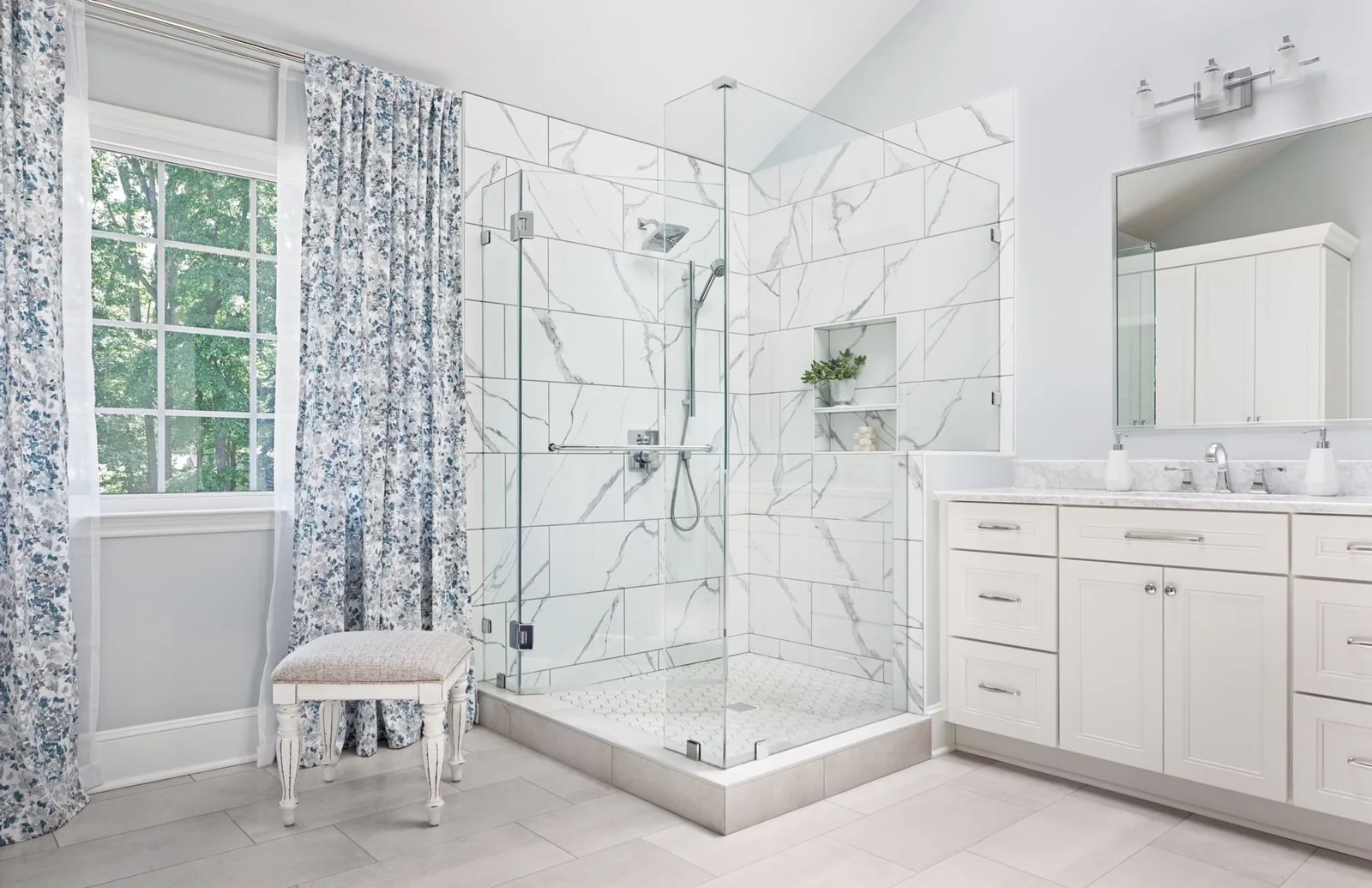
If you are planning a bathroom remodeling project or installing tile in a great room, make sure your installer includes expansion joints in the plan. It adds minimal time to the job but prevents costly repairs down the road.
Improper Thinset Coverage and Bonding
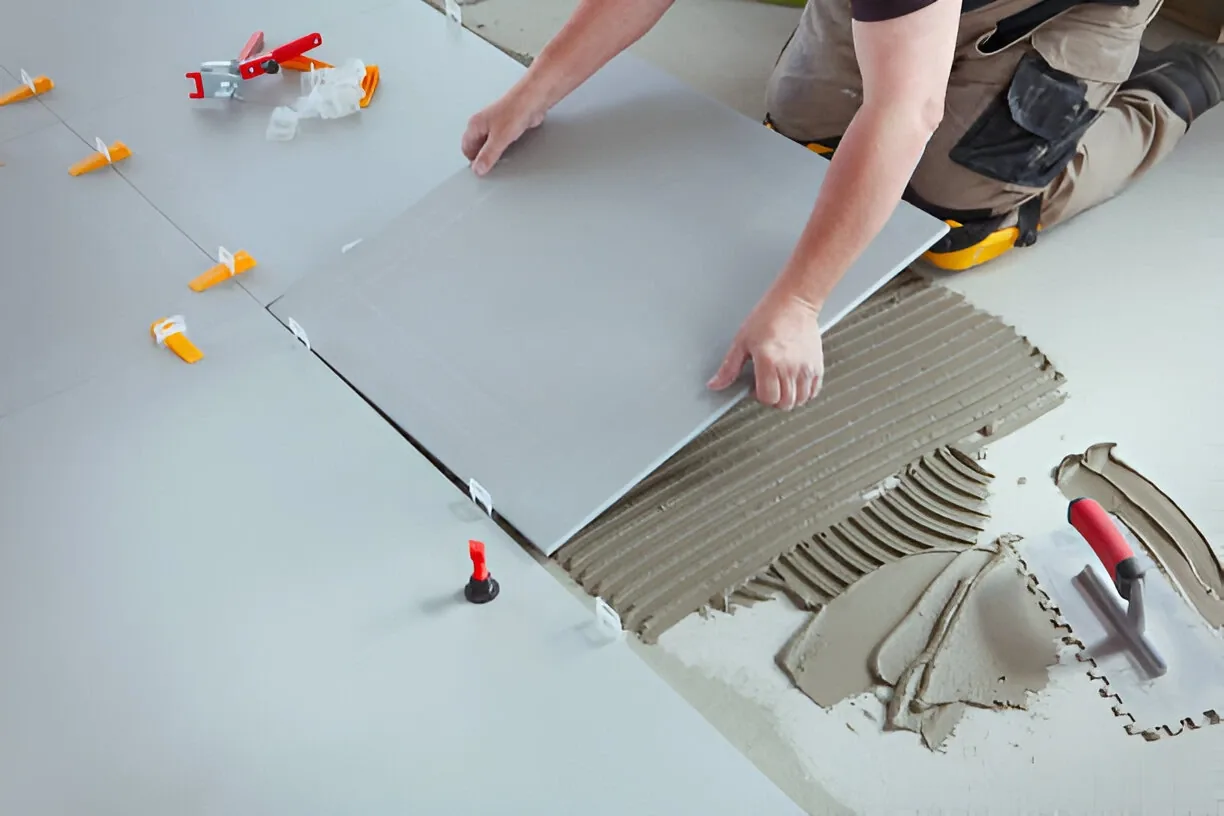
The third major cause of cracked tile is poor thinset coverage during installation. Thinset mortar is the adhesive that bonds tile to the slab. When coverage is incomplete, voids form under the tile creating weak spots that crack under foot traffic or furniture weight.
Proper thinset application requires the right technique. The installer must use the correct trowel size for the tile format and comb the thinset in straight lines, not swirls. Each tile needs to be pressed and twisted slightly to collapse the ridges and achieve full coverage. Large format tiles, which are popular in Southwest Florida homes, demand even more attention because voids are harder to detect.
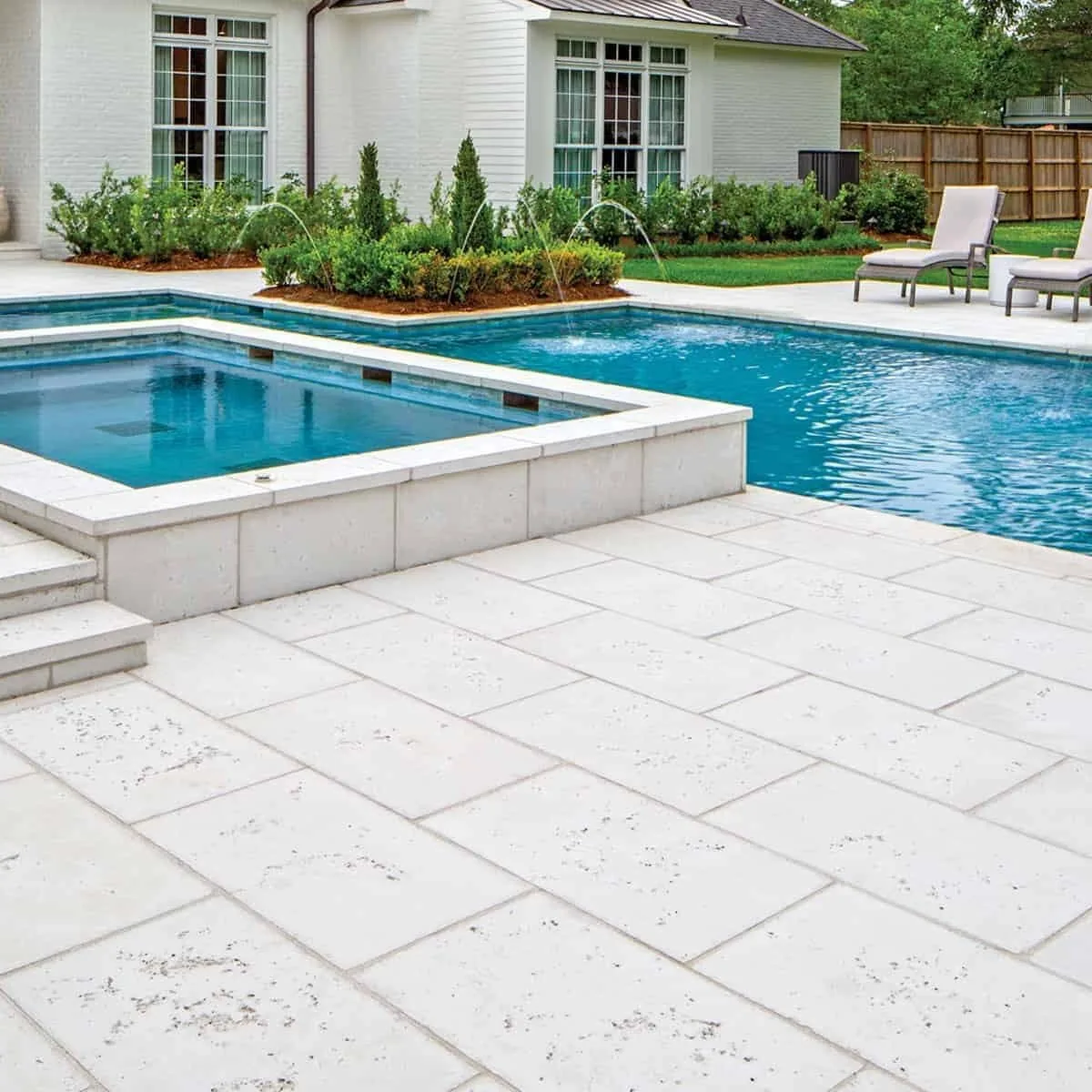
We see this problem a lot in lanais and outdoor living spaces where installers rush through the job. Porcelain pavers around pools need careful thinset work because the area sees heavy use and temperature swings. When thinset coverage is spotty, individual tiles crack or become loose even though the slab itself is sound.
Homeowners cannot inspect thinset coverage after installation, which is why hiring experienced professionals matters. A pool deck remodeling or indoor floor installation should include proper trowel technique and adequate curing time before the area sees heavy use.
How to Tell Which Problem You Have
Diagnosing the root cause helps you understand what repair approach makes sense. Here are the patterns we look for:
- Cracks running straight across multiple tiles: This points to slab movement. The crack follows a stress line in the concrete underneath.
- Tenting or lifted tiles: This indicates missing expansion joints. Pressure from slab expansion pushed tiles upward.
- Single isolated cracked tiles: Often a thinset void or impact damage. The surrounding tiles remain solid.
- Cracks that widen over time: Active slab movement that has not stabilized. Repair should wait until movement stops.
- Hollow sounds when tapped: Poor bonding from inadequate thinset coverage.
If you notice any of these signs, document them with photos and note when they appeared. This information helps your tile contractor recommend the right solution.
Preventing Tile Cracks During New Installation
The best time to prevent tile cracking is before the first tile goes down. Whether you are building new or remodeling an existing space, these steps reduce risk:
- Have the slab evaluated: A licensed tile contractor can check for levelness, existing cracks, and moisture issues before installation begins.
- Repair slab cracks first: Any active cracks in the concrete should be addressed with appropriate patching or stabilization products.
- Plan expansion joints: Map out where flexible joints will go based on room dimensions and fixed objects.
- Use the right materials: Polymer-modified thinset designed for Florida humidity improves bond strength. Porcelain tile resists moisture better than ceramic in our climate.
- Allow proper curing: Tile needs 24 to 72 hours before light foot traffic and longer before heavy furniture or appliances go back in place.
For homeowners in Cape Coral and throughout Southwest Florida, working with a team that understands local conditions makes the difference. We have been serving the area since 2016 and have seen every variation of slab-related tile failure.
When to Call a Professional
Some homeowners wonder if they can repair cracked tiles themselves. For a single isolated tile with no underlying slab issues, a confident DIYer with the right tools might manage the replacement. However, anything involving multiple cracked tiles, tenting, or suspected slab movement requires professional assessment.
Waterproofing, slab leveling, and expansion joint installation all demand trade knowledge. Getting it wrong means the problem returns, often worse than before. If you are unsure, a free estimate from a licensed tile contractor gives you clarity on scope and options.
The Bottom Line
Tile cracking on a Florida slab almost always comes down to three factors: slab movement from our sandy soil and water table, missing expansion joints that cannot absorb thermal movement, and improper thinset coverage that leaves weak spots. Each has a fix, but the solution depends on accurate diagnosis.
Homeowners in Cape Coral and across Southwest Florida can protect their investment by understanding these causes and asking the right questions before installation. If you are seeing cracks or planning a new tile project, reach out for a no-obligation estimate. We can be reached at (239) 265-2814 to discuss your specific situation.