Pool Coping Tile vs Stone: What Cape Coral Pool Owners Need to Know
If you own an in-ground pool in Cape Coral, you have probably noticed the coping starting to show its age. The edge where your pool deck meets the water takes a beating from constant sun, chlorine or salt systems, and the humid Southwest Florida climate. When it comes time to replace or install new coping, the two most common choices are porcelain tile and natural limestone.
Both materials have been used around pools in Southwest Florida for decades. Each has real advantages depending on your pool setup, how you use the space, and what kind of maintenance routine you want long term. This comparison focuses on the three factors that matter most to Cape Coral pool owners: slip resistance when wet, tolerance to saltwater systems, and what replacement actually looks like down the road.
Slip Resistance: Safety Around the Pool Edge
Safety around the pool edge is the first thing most homeowners think about, and for good reason. The coping is where people sit, stand, and sometimes slip when getting in or out of the water. In Southwest Florida, where pools see heavy use during the hot months and often host seasonal residents unfamiliar with the deck layout, slip resistance becomes even more important.
Porcelain pool coping tile is manufactured with textured surfaces specifically designed for wet areas. Many products carry a DCOF (Dynamic Coefficient of Friction) rating, which measures slip resistance under wet conditions. Look for tile rated 0.42 or higher for pool edges. The texture is consistent across the entire piece, and it does not wear smooth over time the way some natural stone can.
Natural limestone coping has a more varied surface. Some pieces feel slightly rough, others smoother, depending on the quarry and how the stone was cut. When limestone stays dry, it generally provides decent traction. When wet, especially with sunscreen or body oils present, certain limestone varieties can become surprisingly slick. This is something we see a lot during lanai renovations in Cape Coral, where older limestone coping that looked fine when dry becomes a concern once the pool is in use.
For households with children, elderly residents, or frequent guests, porcelain tile gives you more predictable slip resistance. The rating system means you know exactly what you are getting before installation begins.
Salt Tolerance: Porcelain vs Limestone in Saltwater Pools
Saltwater pool systems have become extremely common across Southwest Florida. They are gentler on skin and eyes than traditional chlorine, and they require less day-to-day chemical monitoring. But salt is corrosive, and it affects materials differently over time.
Porcelain tile is essentially inert. It is fired at extremely high temperatures during manufacturing, creating a dense, non-porous surface that does not react with salt, chlorine, or typical pool chemicals. Saltwater will not degrade the tile itself, and it will not cause color fading or surface erosion. This is why porcelain has become the default choice for many pool deck remodeling projects in the region.
Limestone is a sedimentary stone, formed from compressed calcium carbonate. Saltwater does not dissolve limestone quickly, but over years of exposure, salt can accelerate surface weathering. You may notice the coping becoming slightly rougher or developing small pits along the waterline. In some cases, salt deposits build up along the edge and require regular brushing to prevent staining. The stone itself remains structurally sound, but the appearance changes gradually.
If you have a saltwater system or plan to convert to one, porcelain coping will maintain its appearance longer with less maintenance. Limestone can work well with saltwater pools, but expect to spend more time cleaning salt buildup and monitoring the surface condition.
Replacement Logistics: What to Expect During Installation
When coping reaches the end of its service life, or when you simply want to update the look of your pool edge, the replacement process differs between tile and stone. Understanding what each option requires helps you plan for timeline, disruption, and long-term flexibility.
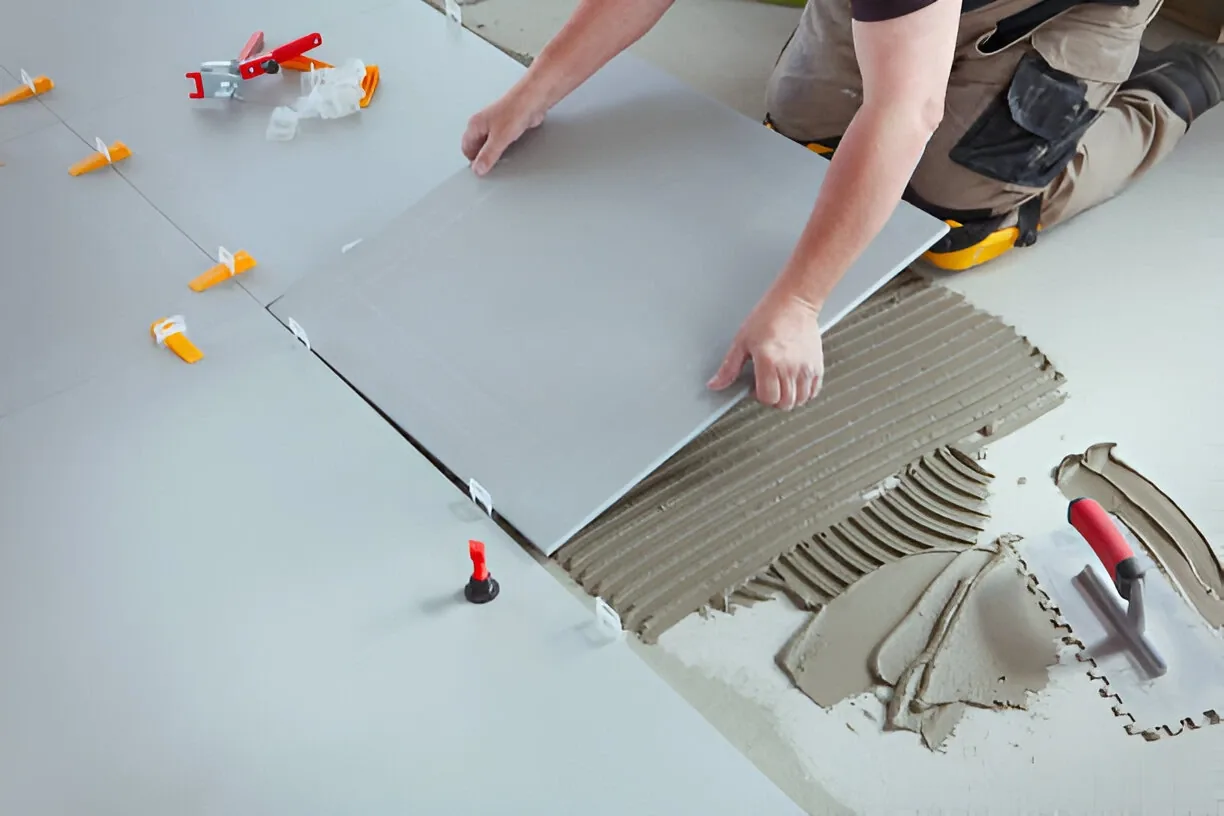
Porcelain tile coping is typically installed over a prepared concrete beam. The tile pieces are uniform in size, which makes layout straightforward. If a section becomes damaged years later, individual tiles can often be replaced without disturbing the entire run. This modularity is a real advantage for Cape Coral homeowners who may deal with occasional storm debris or want the option to change colors during a future outdoor tile refresh.
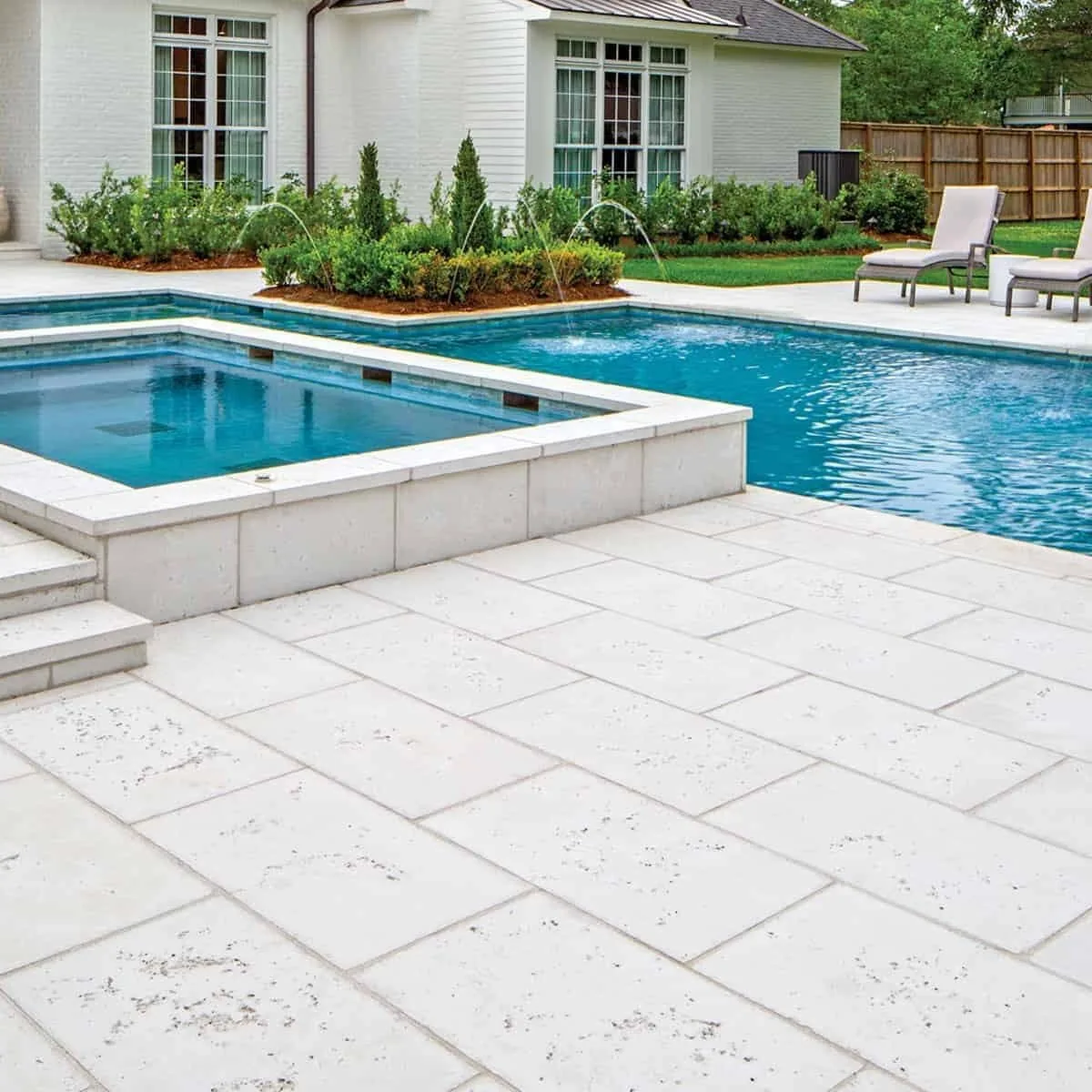
Limestone coping usually comes in longer sections, sometimes several feet in length. Installation requires careful leveling and bonding to the pool beam. If one section cracks or chips, replacing just that piece is possible but more involved. The new piece must match the existing stone in color and texture, which can be difficult if the original quarry source is no longer available. In many cases, homeowners end up replacing the entire coping run rather than patching individual sections.
Both materials require professional installation to ensure proper slope away from the pool, correct bonding, and clean waterline transitions. This is not a DIY project for most homeowners, especially when waterproofing and structural integrity are involved. A licensed tile contractor will assess the condition of your pool beam, check for any underlying issues, and ensure the new coping integrates properly with your existing deck.
Appearance and Design Flexibility
Beyond performance, the look of your coping affects how the entire pool area feels. Cape Coral has a mix of home styles, from 1970s ranches to newer construction, and the coping choice should complement your architecture.
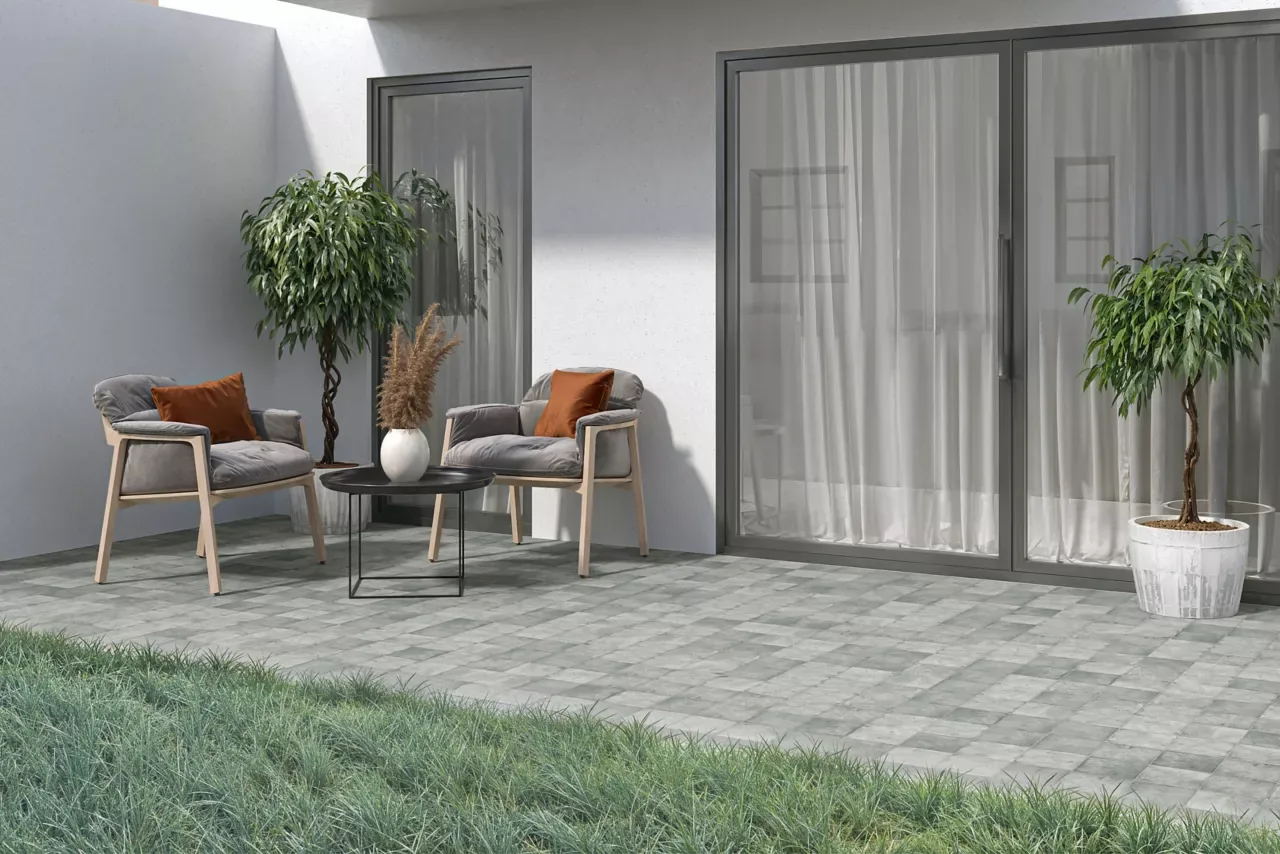
Porcelain tile comes in a wide range of colors and finishes. You can match or contrast with your pool deck pavers, coordinate with your home exterior, or create a clean border that visually separates the pool from the lanai. Some porcelain products mimic the look of natural stone while offering the durability of manufactured tile.
Limestone has a classic, natural appearance that many homeowners find appealing. The color variations within each piece give it character that manufactured products try to replicate. If your home has stone accents or you prefer an organic aesthetic, limestone coping integrates beautifully with that design language.
Maintenance Expectations Over Time
Both materials are durable when installed correctly, but their maintenance profiles differ.
Porcelain tile requires minimal upkeep. Regular cleaning with a pool brush and occasional washing with mild detergent keeps it looking new. The surface does not absorb oils or minerals, so staining is rare. Grout lines between tiles may need attention every few years, depending on exposure and cleaning habits.
Limestone benefits from periodic sealing to reduce water absorption and slow weathering. Without sealing, the stone may develop a patina that some homeowners appreciate and others find undesirable. Salt buildup along the waterline should be brushed regularly to prevent white deposits from becoming permanent. If you prefer a low-maintenance routine, porcelain requires less ongoing attention.
The Bottom Line
For Cape Coral pool owners weighing porcelain tile against limestone coping, the decision comes down to your priorities. Porcelain offers consistent slip resistance, excellent salt tolerance, and easier replacement logistics. It is the practical choice for saltwater pools and households focused on safety and low maintenance.
Limestone brings natural beauty and a classic look that complements certain architectural styles. It works well in Southwest Florida pools, but expect more maintenance and less flexibility if sections need replacement years later.
Both materials have served Southwest Florida pools for decades. The right choice depends on your specific pool, how you use the space, and what kind of upkeep fits your routine. If you are considering a coping replacement or planning a new pool build, our team at Dynasty Tile can help you evaluate options based on your situation. We are a licensed tile contractor based in Fort Myers, serving Southwest Florida since 2016. Reach us at (239) 265-2814 for a free, no-obligation estimate, or explore our service areas to confirm we cover your location.