How Lanai Tiles Should Drain: Slope Rules Every Florida Homeowner Should Know
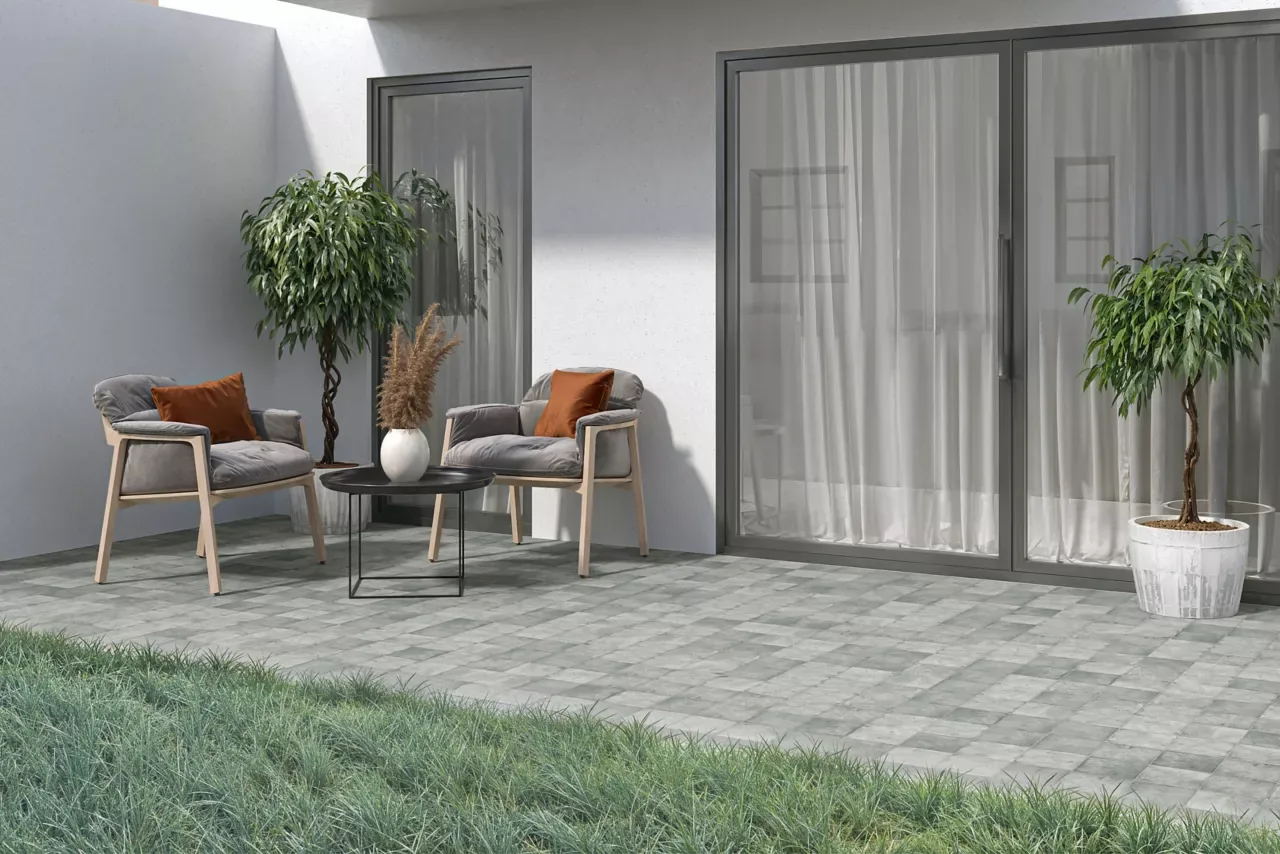
Walk out to your lanai after a afternoon thunderstorm and notice water sitting in shallow puddles near the screen enclosure. That standing water is not normal, and it is not something you should ignore. In Punta Gorda and across Southwest Florida, proper slope and drainage on tiled lanais is the difference between a surface that lasts decades and one that develops algae, loose tiles and failing grout within a few years.
As a licensed tile contractor based in Fort Myers and serving Punta Gorda since 2016, we have inspected dozens of lanais where the slope was either never established correctly or settled over time. This guide walks through the slope ratios you should expect, why they matter in our humid subtropical climate, and what to watch for if you are planning a new outdoor tile installation or troubleshooting an existing one.
Minimum Slope Requirements for Lanai Tile in Florida
The general rule for exterior tile surfaces is a minimum slope of one-quarter inch per foot, or roughly a two percent grade. This means for every foot of horizontal distance, the surface should drop at least a quarter inch toward the drain or edge where water can escape. Some building professionals recommend up to three-eighths inch per foot for uncovered lanais that take direct rainfall.
Covered lanais that receive less direct rain can sometimes get by with the quarter-inch standard, but we generally advise clients in Punta Gorda to aim higher rather than lower. Our summer storms dump water fast, and a marginal slope that barely moves water in a light rain will leave puddles during the heavy afternoon downpours we see from June through September.
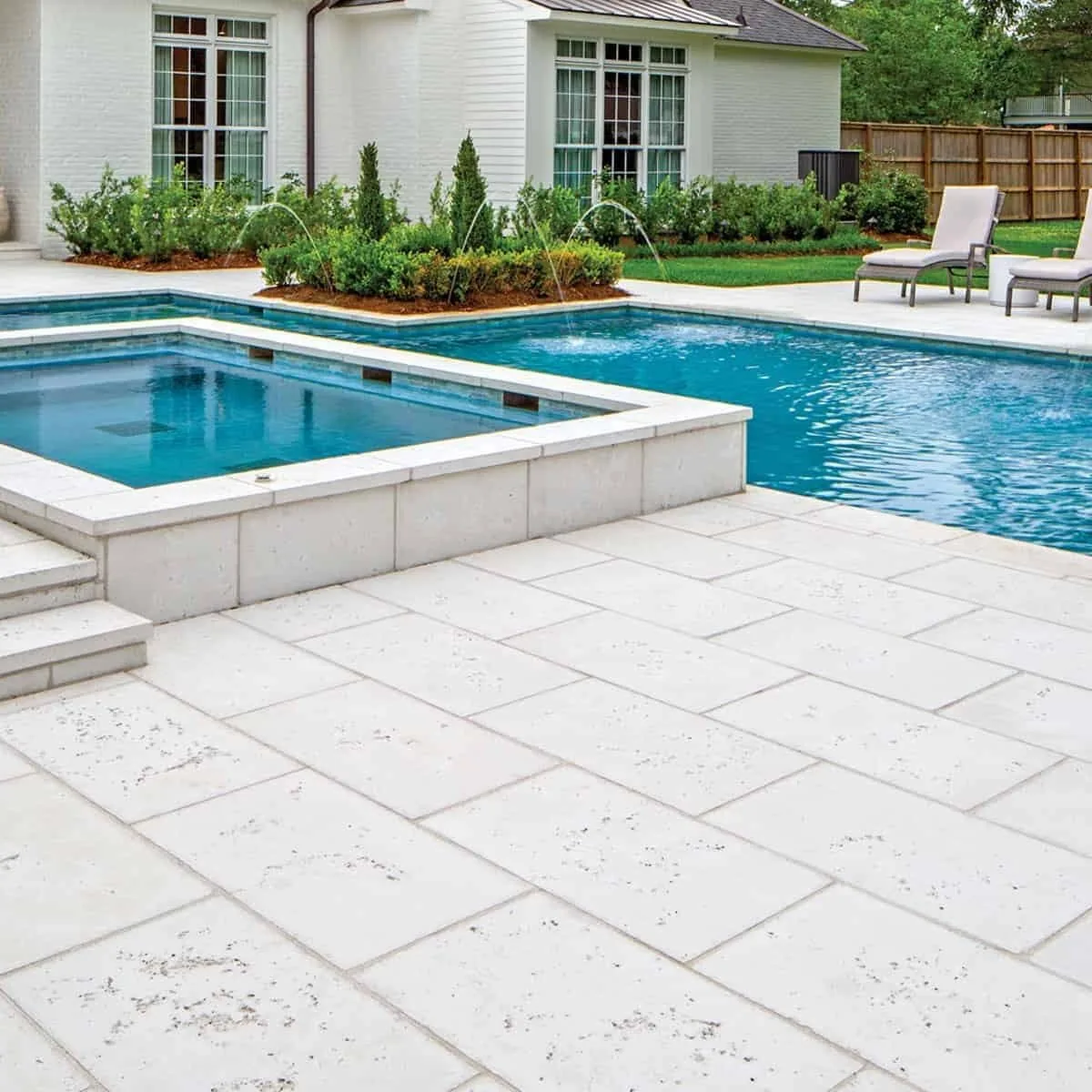
Uncovered lanais or pool decks exposed to full sun and rain need more aggressive drainage planning. The combination of intense UV exposure, thermal expansion from heat, and frequent soaking means any water that sits on the surface will accelerate wear on grout joints and potentially work its way under tiles if the waterproofing layer beneath was not installed correctly.
Why Slope Matters More in Southwest Florida Than Other Regions
Homeowners who moved here from drier climates often ask why slope gets so much emphasis. The answer lies in what makes Southwest Florida unique. We have high humidity year-round, often above seventy percent. We have sandy soil that drains quickly underground but does not help water move across a solid tile surface. We have salt air near the coast that can corrode metal drain components over time. And we have a rainy season that delivers most of our annual precipitation in just a few months.
When water sits on tile for hours after a rain, several things happen. Algae and mildew find purchase in the grout lines, especially in shaded areas under pool cages or near overhangs. Standing water seeps into microscopic gaps between grout and tile, and over hundreds of rain cycles, this can compromise the bond. In severe cases, water trapped under tiles with nowhere to escape can cause tiles to lift or crack when temperatures rise and the moisture expands.
We see this a lot in lanais around Punta Gorda that were tiled by contractors who did not specialize in outdoor work. Interior tile installers sometimes underestimate how critical slope is for exterior applications. The margin for error inside a bathroom is different from a thirty-foot lanai that needs to move hundreds of gallons during a storm.
Signs Your Lanai Tile Slope Has Failed or Was Never Correct
Homeowners can spot drainage problems with a few simple observations. After a rain, walk your lanai and look for standing water that remains more than thirty minutes after the rain stops. Small puddles near drains or low spots in the middle of the field are red flags. Run a garden hose across the surface and watch how water moves. If it pools instead of flowing steadily toward the drain or edge, the slope is insufficient.
Other warning signs include grout that stays dark and damp long after the rest of the surface dries, algae growth in specific areas rather than evenly across the lanai, or tiles that sound hollow when tapped. Hollow sounds can indicate water has worked underneath and compromised the bond. If you notice any of these issues, it is worth having a qualified outdoor tile professional assess whether the slope can be corrected or if replacement is the better long-term solution.
Common Slope Failure Points
- Areas near screen enclosure tracks where installers may have been constrained by existing framing
- Corners farthest from the drain where slope accumulation may be insufficient
- Transitions between different materials, such as where tile meets a concrete deck or paver border
- Sections around pool coping where drainage direction may conflict with the pool overflow system
Planning Drainage for a New Lanai Tile Installation
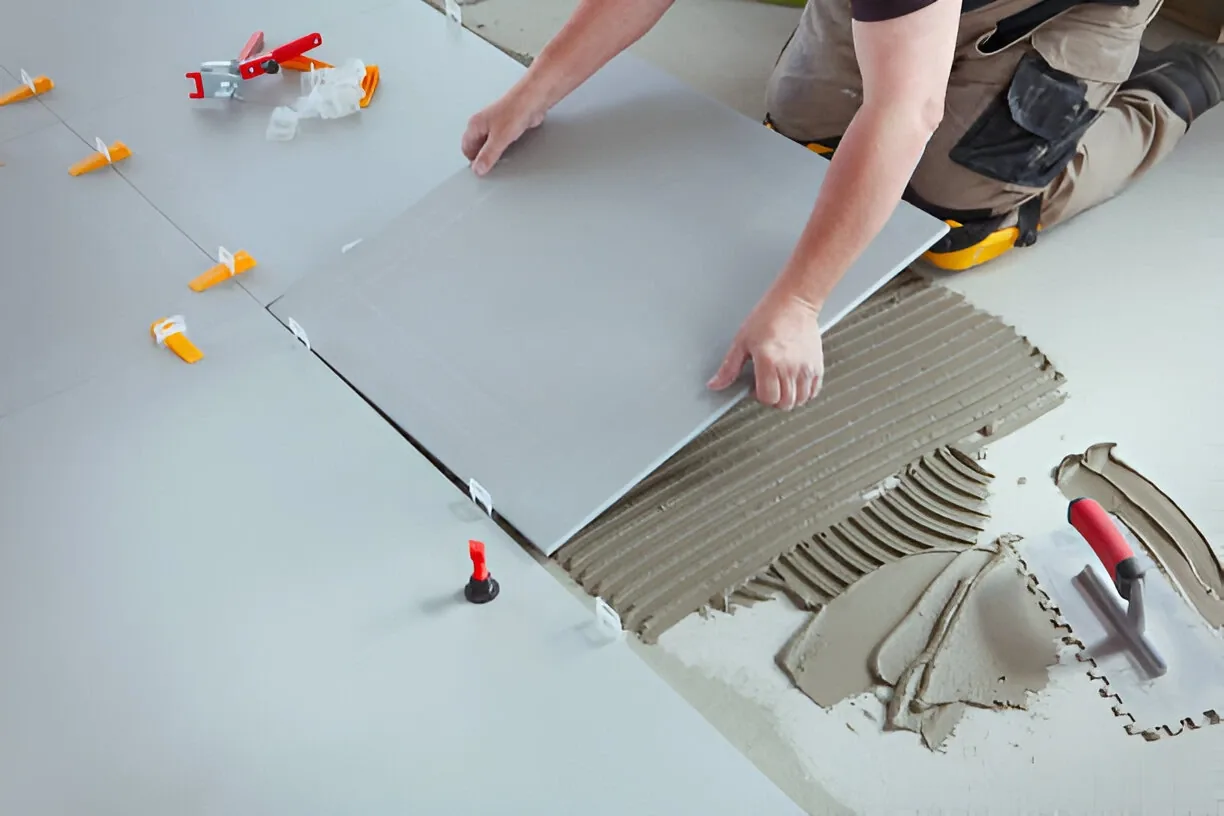
If you are building a new lanai or replacing an existing surface, drainage planning should happen before any tile is ordered. The substrate beneath the tile, whether concrete slab or pedestal paver system, must be sloped correctly before the tile layer goes on. You cannot fix a flat slab by applying more thinset on one side. That approach creates uneven tile heights and lippage that becomes a tripping hazard.
Drain placement matters too. A single center drain works for smaller lanais, but larger spaces may need multiple drains or a linear drain along one edge. The goal is to minimize the distance water must travel across the surface. In Punta Gorda, where afternoon storms can overwhelm marginal drainage, more drain capacity is better than less.
For homeowners considering an outdoor project, our team provides outdoor tile consultations that include slope assessment and drainage planning. We work with your existing structure or coordinate with your general contractor if this is new construction. The key is getting the slope right before tile installation begins, not trying to compensate afterward.
What Homeowners Can Do Versus When to Call a Professional
Maintaining existing drainage is something any homeowner can handle. Keep drain grates clear of leaves, palm fronds and debris that accumulate quickly in Southwest Florida. Flush the surface with a hose monthly during dry season to remove dust and pollen that can clog drain channels. Check that drain covers are seated properly and have not shifted.
What homeowners should not attempt is re-sloping an existing tiled surface or installing new tile on an outdoor slab without proper training. Achieving consistent slope across a large area requires specialized leveling tools and experience reading how water moves across a surface. Waterproofing beneath outdoor tile is also critical and easy to get wrong. If water gets under the tile and cannot escape, you have created a problem that will require full removal to fix correctly.
For anything involving slope correction, drain relocation or new outdoor tile installation, consult a licensed tile contractor with specific outdoor experience. Ask to see photos of completed lanai projects and request references from clients whose installations are several years old. A properly sloped lanai in our climate should drain completely within minutes of a heavy rain and stay dry between storms.
The Bottom Line
Lanai tile slope is not a detail you can ignore in Southwest Florida. The quarter-inch per foot minimum is a starting point, and many outdoor spaces benefit from slightly steeper slopes given our intense rainfall. Standing water leads to algae, grout deterioration and potentially tile failure over time. If your lanai holds water after rain, have it assessed before the problem worsens. For new installations, work with a contractor who understands outdoor drainage and can demonstrate how your slope will be established and verified before tile installation begins.
Homeowners in Punta Gorda and throughout Southwest Florida can reach us at (239) 265-2814 for a no-obligation estimate on outdoor tile projects. We have been serving the region since 2016 and understand what it takes to make lanai tile perform in our unique climate.