Floor Tile vs Wall Tile: Why You Cannot Use Them Interchangeably
Walk into any tile showroom in Southwest Florida and you will see gorgeous wall tiles with marble veining, glossy finishes, and intricate patterns. They look perfect for your bathroom or kitchen. But here is what most homeowners do not realize until it is too late: that beautiful wall tile will crack, chip, or become dangerously slippery if installed on your floor.
We see this mistake often in Punta Gorda homes. A homeowner falls in love with a decorative wall tile, uses it on their bathroom floor or lanai, and within months the surface shows wear cracks or becomes a slip hazard when wet. Understanding the difference between floor-rated and wall-rated tile protects your investment and keeps your family safe.
The PEI Rating System Explained
PEI stands for Porcelain Enamel Institute, and their rating system measures how much foot traffic and abrasion a tile surface can handle. This is the single most important factor when deciding between floor and wall tile.
Wall tiles typically carry a PEI rating of 0 or 1. These tiles are designed for vertical surfaces with no foot traffic. Think shower walls, backsplashes, or decorative accent walls. The glaze is thinner and softer because it never needs to support weight or resist shoe friction.
Floor tiles start at PEI 2 and go up to PEI 5. For residential applications in Punta Gorda, you want at least PEI 3 for bathrooms and kitchens where people walk regularly with shoes or bare feet. PEI 4 works better for high-traffic areas like entryways or great rooms. PEI 5 is commercial grade and overkill for most homes.
When we install tile for Punta Gorda homeowners, we always check the PEI rating first. A tile salesman might say it looks fine for floors, but if the box says PEI 1, it belongs on a wall only.
DCOF and Slip Resistance in Florida Humidity
DCOF stands for Dynamic Coefficient of Friction. In plain terms, it measures how slippery a tile is when wet. This matters enormously in Southwest Florida where humidity runs high, pool water tracks onto lanais, and afternoon thunderstorms are routine during hurricane season.
The Americans with Disabilities Act recommends a minimum DCOF of 0.42 for level interior floors expected to get wet. Many wall tiles measure well below this threshold because they assume water will run straight down a vertical surface. Floor tiles, especially those rated for outdoor or pool deck use, are formulated and textured to maintain grip when moisture is present.
Salt air along the Gulf Coast also affects tile surfaces over time. A glossy wall tile installed on a lanai floor will develop a slick film from salt and humidity that no amount of mopping removes. We have walked into Punta Gorda homes where the homeowner cannot safely step into their own shower because the wall tile they chose has zero slip resistance.
For bathroom remodeling projects, always specify floor-rated tile with adequate DCOF. Your installer should be able to show you the rating sheet from the manufacturer.
Thickness and Structural Differences
Wall tile is thinner than floor tile, often by a significant margin. A typical wall tile measures 6 to 8 millimeters thick. Floor tile runs 9 to 12 millimeters or more for porcelain. This thickness difference exists because floor tile must support dynamic loads: people walking, furniture legs, dropped objects, and the constant flex of a subfloor.
When thin wall tile gets installed on a floor, it cannot absorb impact. Drop a shampoo bottle in a shower with wall tile on the floor and you will likely see a crack or chip within weeks. The tile flexes under pressure it was never designed to handle, and the glaze crazes or the body fractures.
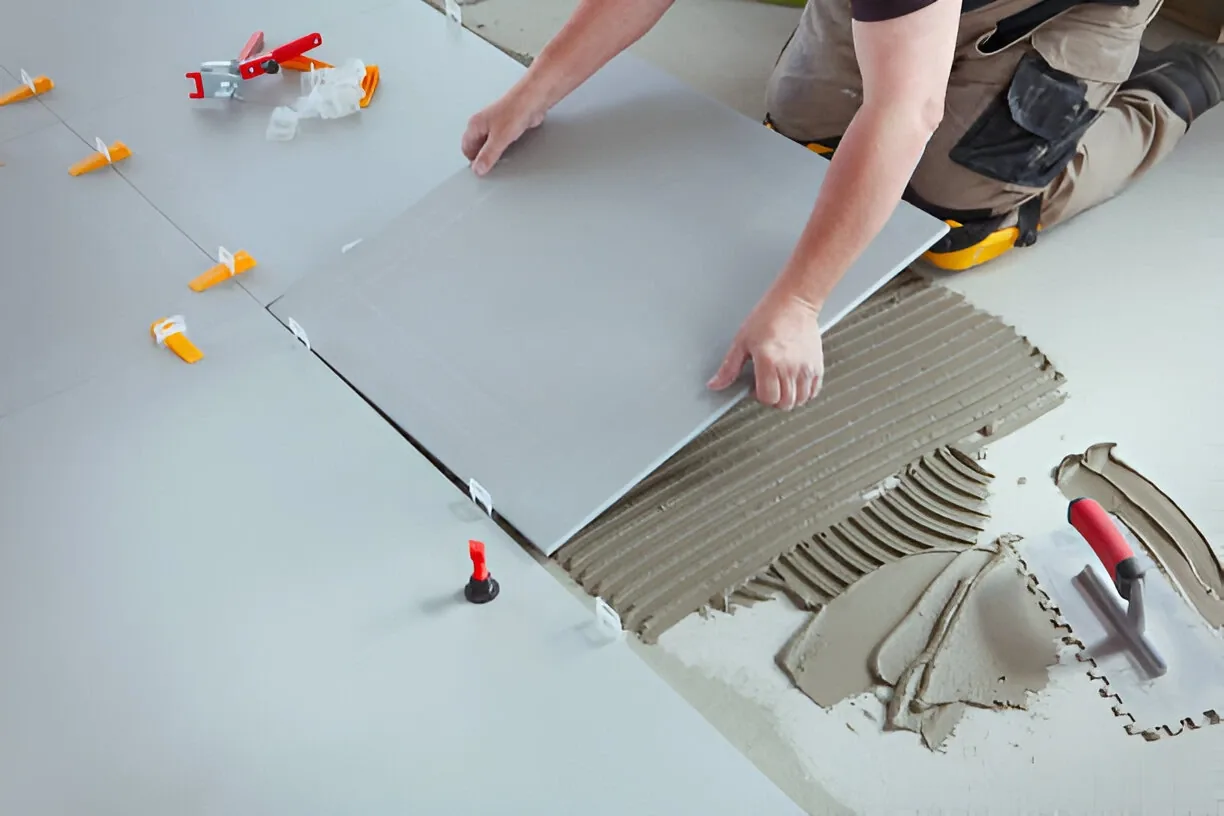
Large format tile adds another consideration. A 24 by 48 inch porcelain tile for floors requires a perfectly level substrate and often needs a thicker mortar bed to prevent lippage. Wall tile installs with thinner mortar because gravity works in your favor on vertical surfaces. Using wall tile on a floor means the installation itself becomes unstable.
Water Absorption and Florida Moisture
Florida homes face unique moisture challenges. Ground water sits high, concrete slabs wick moisture from below, and humidity permeates everything. Floor tile must have low water absorption to survive these conditions. Porcelain floor tile absorbs less than 0.5 percent water by weight. Ceramic wall tile can absorb 3 percent or more.
When water-susceptible tile gets installed on a floor in Punta Gorda, moisture from the slab migrates up through the grout lines and into the tile body. Over time this causes efflorescence, where white mineral deposits bloom on the surface. In severe cases the tile delaminates from the mortar bed entirely.
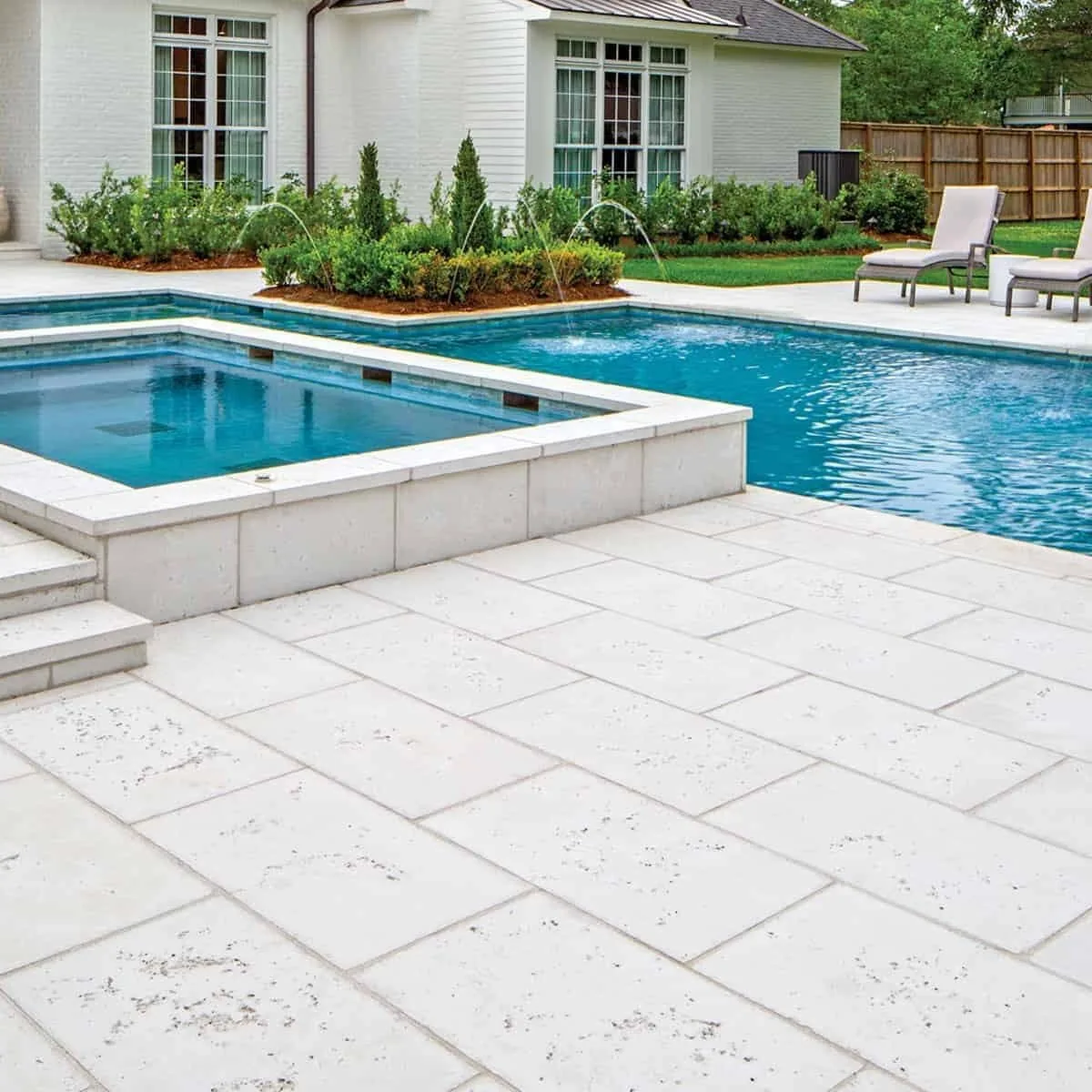
This is why outdoor and pool deck installations require full-body porcelain pavers rated for freeze-thaw cycles and water immersion. Even though Southwest Florida never freezes, the same density that protects against ice damage also protects against our saturated soil conditions and constant humidity.
Common Mistakes We See in Southwest Florida
The most frequent error we encounter is using decorative subway tile or mosaic sheets on shower floors. These products are beautiful on walls but lack the structural integrity for standing surfaces. A mosaic sheet might work if each individual piece is floor-rated, but the mounting mesh and thin backing often indicate wall-only use.
Another mistake appears in kitchen backsplashes that continue onto countertops. The wall portion looks stunning with a glossy marble-look ceramic. But once that same tile extends to the horizontal counter surface, it stains from wine, etches from lemon juice, and scratches from cookware within months.
Outdoor applications see the worst failures. A homeowner in a seasonal residence might choose an elegant wall tile for their lanai because it matches the interior aesthetic. By the time they return next winter, salt air and afternoon rain have turned the surface into a skating rink. Some tiles even delaminate entirely from UV exposure they were never rated to withstand.
For kitchen projects, keep wall and floor products separate. The tile that looks perfect above your range should not extend to the floor beneath your feet.
The Bottom Line
Wall tile and floor tile are engineered for different jobs. PEI ratings measure traffic resistance. DCOF measures slip resistance when wet. Thickness determines whether the tile can handle impact and flex. Water absorption affects long-term durability in Florida moisture.
Never assume a tile works for both applications just because it looks right. Ask your installer to show you the manufacturer rating sheet. Verify PEI 3 or higher for residential floors. Confirm DCOF above 0.42 for wet areas like bathrooms and lanais. Choose full-body porcelain for outdoor installations.
Dynasty Tile has served Southwest Florida homeowners since 2016 as a licensed tile contractor. We offer free, no-obligation estimates for projects in Punta Gorda and throughout the region. If you have questions about tile selection for your home, call us at (239) 265-2814.