Choosing Outdoor Tile That Meets ADA Slip Requirements for Your Port Charlotte Business
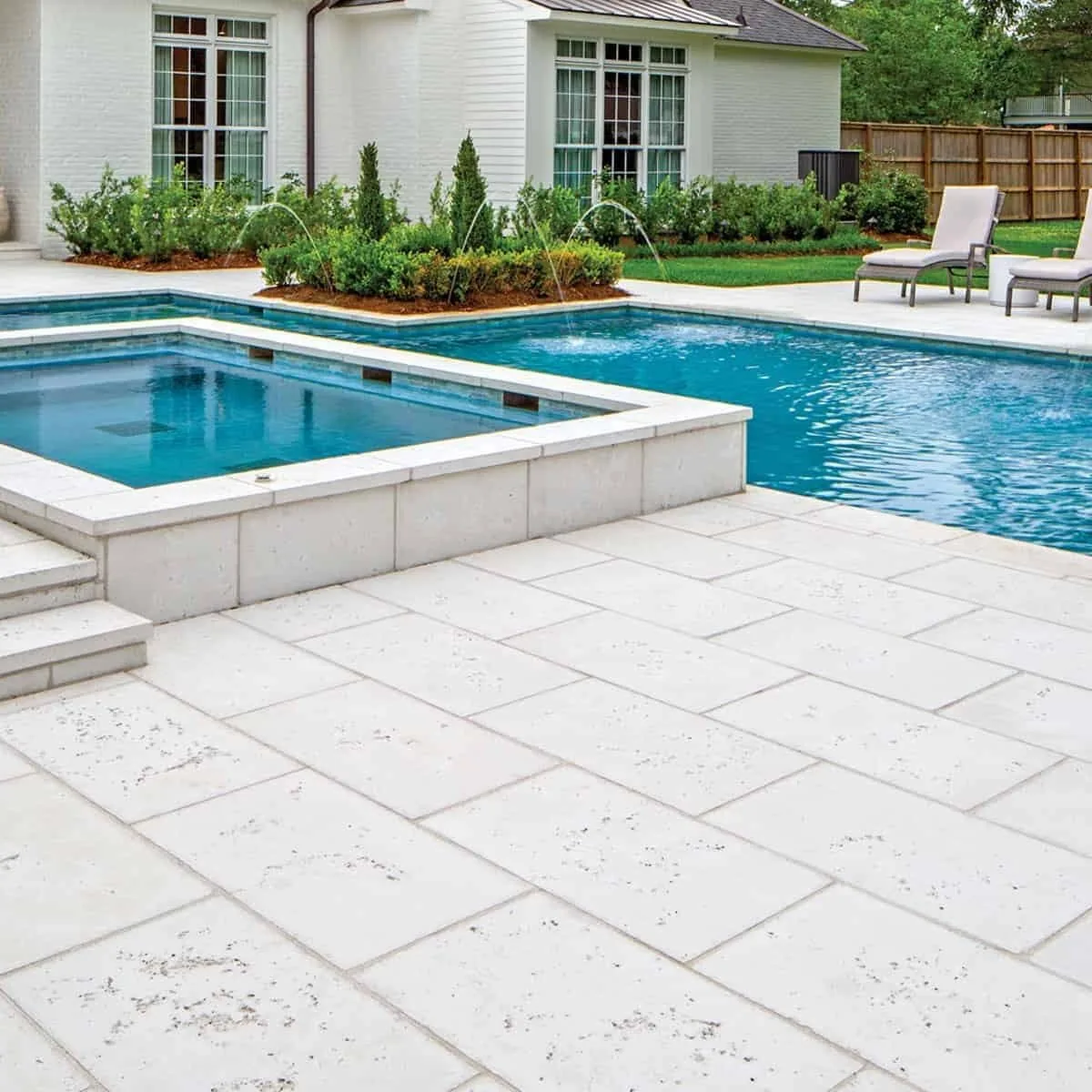
Rain comes down hard and fast in Southwest Florida. One minute the sun is blazing, the next your commercial entry is soaked. For business owners in Port Charlotte, this weather pattern creates a real liability concern. Wet outdoor walkways and entries need tile that provides reliable traction, not just when dry but when water is present.
The Americans with Disabilities Act sets clear standards for slip resistance in commercial spaces. Understanding these requirements before you select materials protects your customers, your staff, and your business from unnecessary risk. This guide explains what DCOF wet values mean and how to choose porcelain tile that meets ADA standards for outdoor entries and walkways in Florida's challenging climate.
Understanding DCOF Wet Values and ADA Requirements
DCOF stands for Dynamic Coefficient of Friction. It measures how much resistance a surface provides when something slides across it while in motion. For commercial flooring, this number matters because it predicts how likely someone is to slip under real-world conditions.
The ANSI A137.3 standard specifies that tile used on level interior floors expected to be walked on when wet must have a DCOF wet value of at least 0.42. While this standard addresses interior applications, many architects and specifiers use it as a baseline for exterior commercial entries and walkways as well. For ramps or sloped surfaces, higher values are typically required.
Here is what business owners in Port Charlotte should know about testing and documentation. Reputable tile manufacturers provide DCOF wet test results for their products. Ask for the official test report before making a selection. Do not rely on marketing terms like slip resistant without seeing the actual numbers. Your tile supplier should be able to produce documentation showing the DCOF wet value meets or exceeds 0.42 for level surfaces.
What Makes Tile Slip-Resistant for Florida Weather
Southwest Florida presents unique challenges for outdoor commercial flooring. Salt air from the Gulf affects material longevity. Intense UV exposure can degrade some surfaces over time. Heavy afternoon thunderstorms leave standing water on entries and walkways. Hurricane season brings extended periods of wet conditions. All of these factors influence which tile performs well outdoors.
Porcelain tile stands out for commercial applications in this environment. It is fired at higher temperatures than ceramic, creating a denser body that resists water absorption. Look for porcelain rated for exterior use with a water absorption rate below 0.5 percent. This rating ensures the tile will not crack from freeze-thaw cycles, which while rare in Florida, still matters for long-term durability in constantly wet conditions.
Surface texture plays the most direct role in slip resistance. Smooth, polished finishes that look elegant indoors become hazardous when wet outdoors. For ADA-compliant commercial entries, select tile with one of these surface characteristics. A textured or structured surface provides mechanical grip. A matte or honed finish offers more traction than polished. Through-body porcelain pavers with grit additives create consistent slip resistance that does not wear away over time.
Selecting Porcelain Tile for Commercial Entries
When shopping for outdoor commercial tile in Port Charlotte, bring your DCOF requirements to the conversation from the start. Not every porcelain tile is suitable for wet exterior applications. Some products marketed for indoor use will not meet the slip resistance thresholds needed for entries exposed to Florida rain.
Consider these factors during selection. Tile size affects installation complexity on sloped entries designed for drainage. Larger format tiles require more precise substrate preparation to prevent lippage that creates trip hazards. Paver-style porcelain in 12x24 or 24x24 inch sizes works well for walkways and entries. These dimensions balance coverage efficiency with manageable installation tolerances.
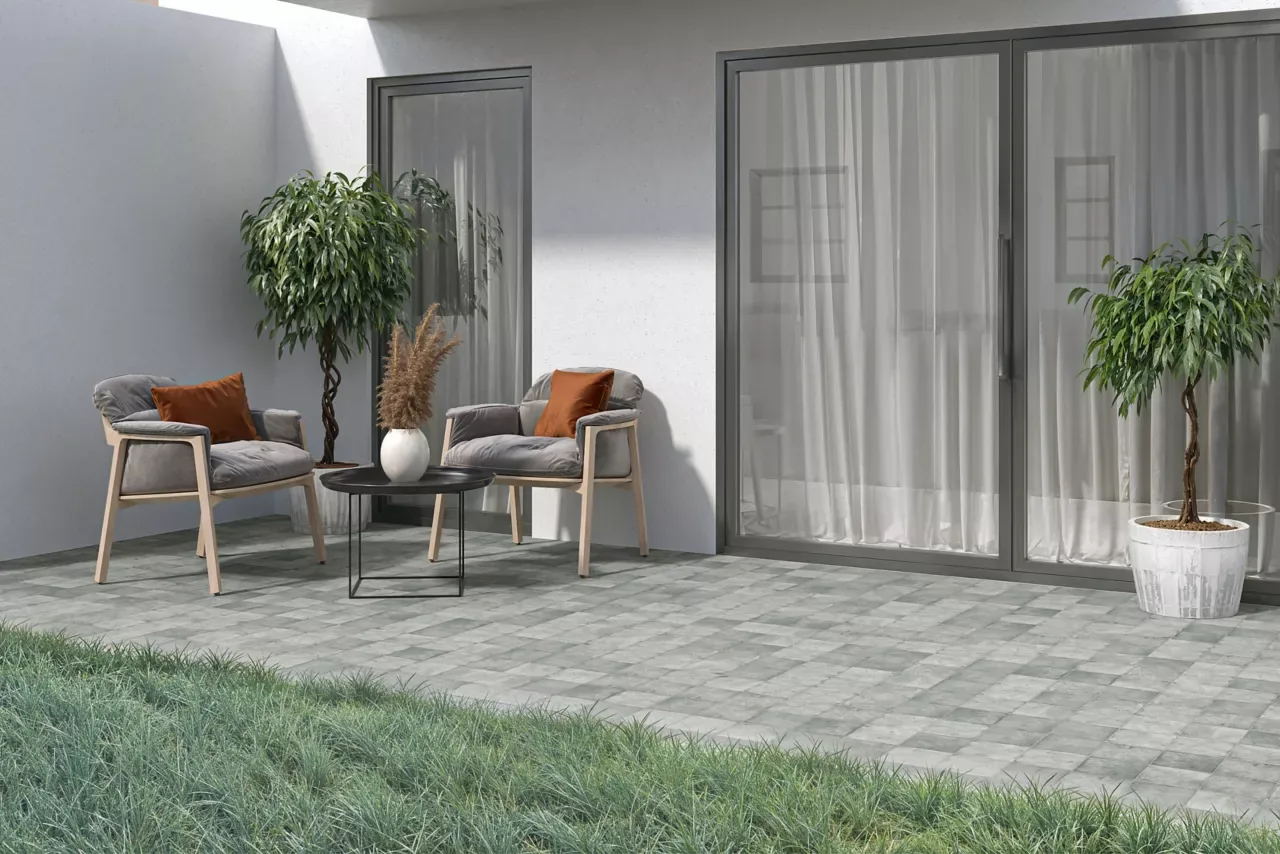
Color choice matters more than aesthetics alone. Lighter colors show less water spotting and mineral deposits from irrigation systems. Dark tile can appear slick even when it meets DCOF requirements, creating a perception problem with customers. Mid-tone earth colors tend to hide both wet spots and the sandy soil tracked in from Southwest Florida parking areas.
Edge profile affects both safety and maintenance. Rectified edges create tight grout joints that look clean but require precise installation. For commercial walkways, slightly wider joints with sanded grout provide additional traction points. The grout itself should be rated for exterior use and sealed to resist staining from tracked-in debris.
Installation Considerations for Outdoor Commercial Spaces
Proper installation is as critical as tile selection for ADA compliance. Even tile with excellent DCOF wet values becomes hazardous if installed incorrectly. Slope and drainage deserve careful attention during planning. Outdoor entries and walkways need a minimum slope of one quarter inch per foot away from buildings to prevent standing water. However, slopes exceeding one half inch per foot may require higher DCOF values to maintain safe footing.
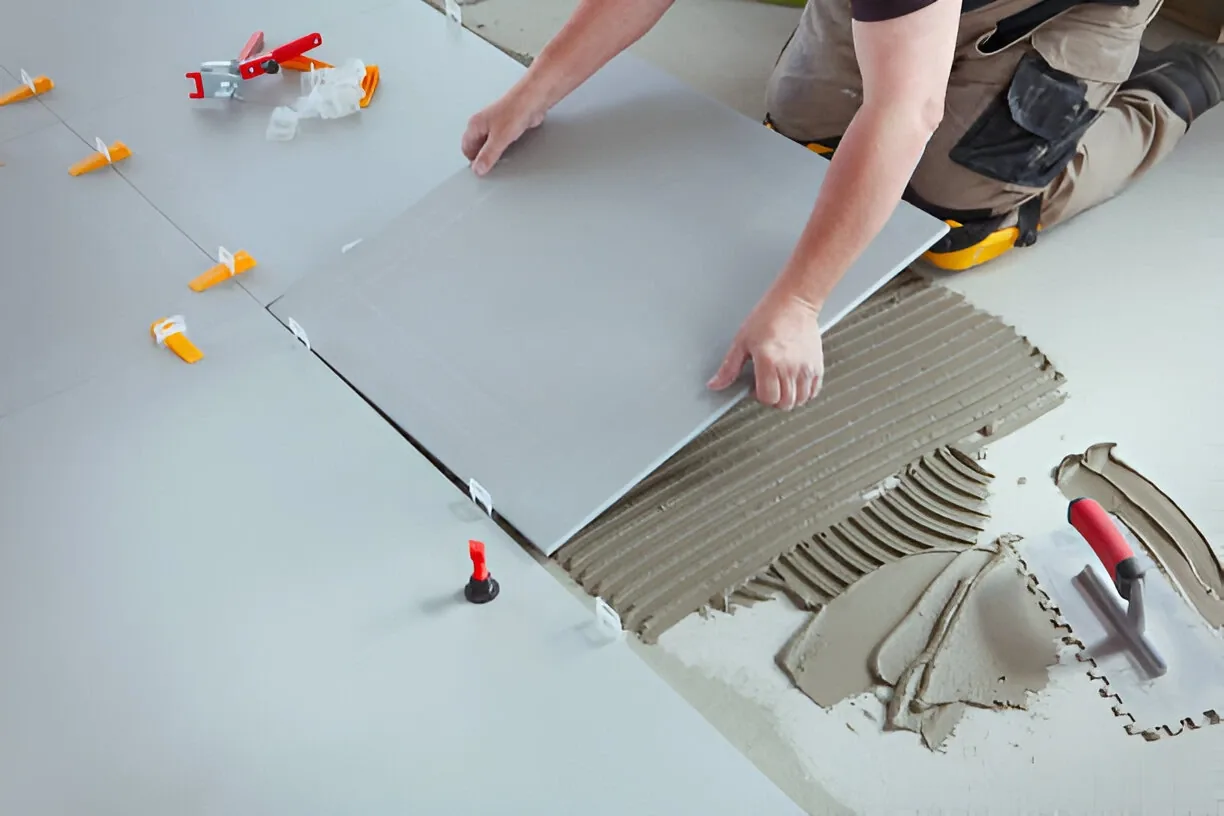
Substrate preparation cannot be rushed. Commercial installations typically require a concrete slab with proper curing time before tile installation begins. The substrate must be flat within industry tolerances to prevent lippage. For exterior applications, a crack isolation membrane protects against movement from thermal expansion and ground settlement common in Florida's sandy soil.
Grout selection affects long-term performance. Use polymer-modified sanded grout rated for exterior applications. The grout should match or complement the tile color to create a uniform appearance. After installation, apply a penetrating sealer to the grout lines. This step reduces staining from dirt, oil, and organic matter tracked in from parking areas. Reapply sealer according to manufacturer recommendations, typically every one to two years for high-traffic commercial entries.
For business owners planning larger exterior improvements, working with a licensed tile contractor ensures installation meets both ADA requirements and manufacturer specifications. Proper slope, substrate preparation, and grout application require professional expertise. Outdoor tile installation for commercial properties involves considerations beyond residential projects, including higher traffic volumes and stricter liability standards.
Maintenance for Long-Term Slip Resistance
Installing ADA-compliant tile is only the first step. Maintaining slip resistance over time requires consistent care. Southwest Florida's environment introduces specific maintenance challenges. Salt air leaves residue that can build up on tile surfaces. Pollen and organic matter create slippery films during certain seasons. Sand from parking areas acts as an abrasive that can gradually wear down textured surfaces.
Establish a cleaning routine that removes contaminants without damaging the tile surface. Sweep or blow debris from walkways daily. Mop entries with a neutral pH cleaner designed for porcelain tile. Avoid acidic cleaners that can etch the surface and reduce slip resistance over time. For heavy buildup from salt or organic matter, use a dedicated porcelain tile cleaner and rinse thoroughly.
Inspect grout lines quarterly for wear or damage. Deteriorated grout creates uneven surfaces that collect water and debris. Repair damaged sections promptly to maintain both appearance and safety. Document your maintenance activities. This record demonstrates due diligence should any slip incident occur on your property.
The Bottom Line
Choosing outdoor tile for a commercial entry in Port Charlotte requires more than picking a color you like. DCOF wet values of at least 0.42 provide the baseline for slip resistance on level surfaces. Porcelain tile rated for exterior use offers the durability needed for Southwest Florida's climate. Proper installation by a licensed tile contractor ensures the tile performs as intended. Regular maintenance preserves slip resistance over the life of the installation.
When you select materials with ADA compliance in mind from the start, you create safer entries for all customers. This protects your business from liability while demonstrating care for accessibility. For commercial tile projects in Port Charlotte or elsewhere in Southwest Florida, our team provides free, no-obligation estimates. Call (239) 265-2814 to discuss your project requirements.