How to Clean Pool Waterline Tile Without Scratching It
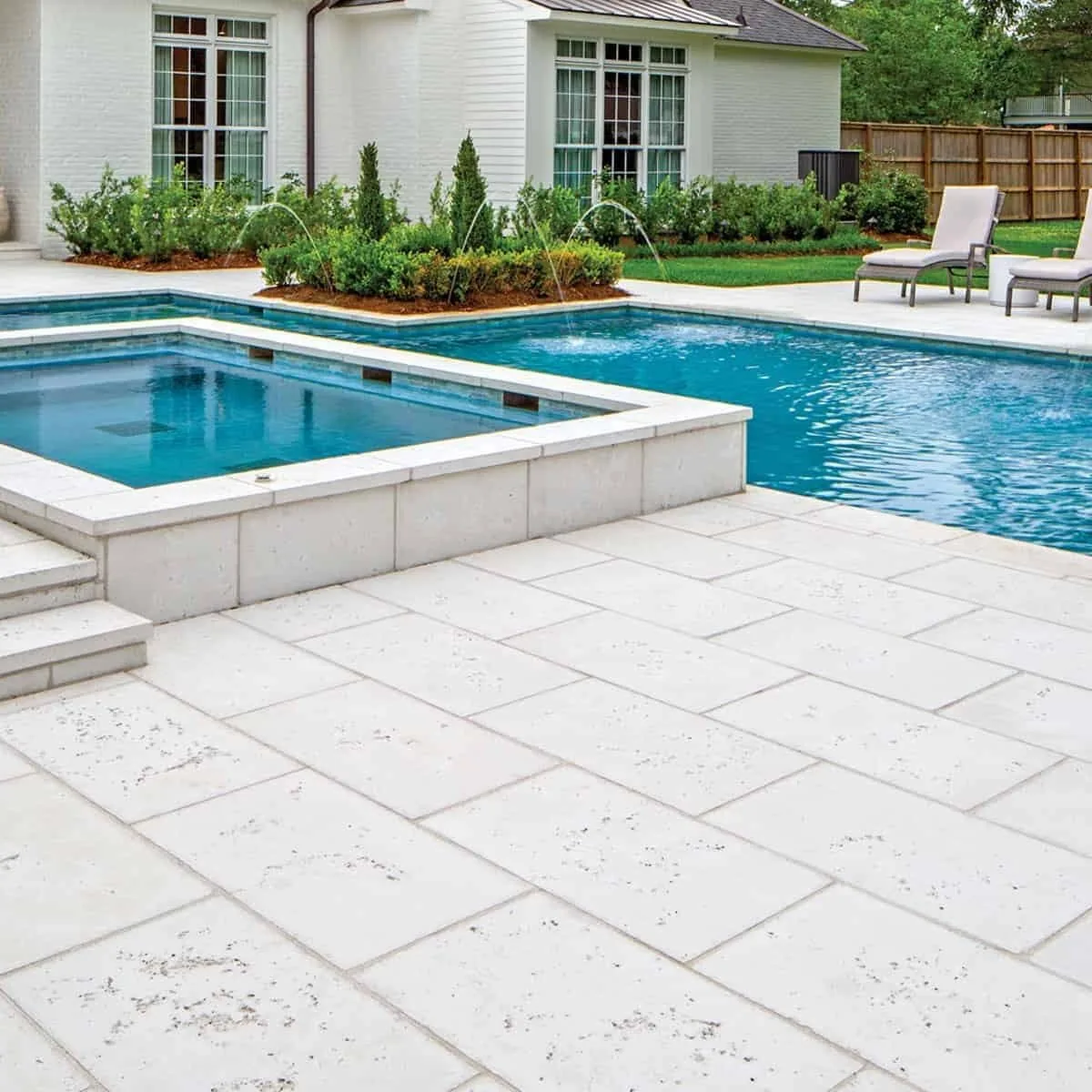
If you own a pool in Estero, you have seen it. That chalky white ring creeping up your waterline tile. Maybe some green algae clinging to the grout. It happens fast in Southwest Florida, especially during the humid summer months when pool use peaks and evaporation rates climb.
The temptation is to grab a scouring pad or harsh acid and attack it. Do not. Aggressive scrubbing and the wrong cleaners can permanently scratch glazed tile, dull the finish, and etch grout lines. Once that damage is done, replacement is the only fix. This guide walks through a safe, step-by-step approach that removes buildup without harming your tile.
Why Pool Tile Gets Buildup in Southwest Florida
Our climate here creates perfect conditions for calcium and algae problems. Estero and the broader Southwest Florida region see high humidity year-round, with summer pushing well above 80 percent. Pools evaporate faster in this heat, concentrating minerals in the water. When that water splashes onto the tile line and dries, it leaves behind calcium carbonate deposits.
Algae thrives in the same conditions. Warm water, abundant sunlight, and occasional lapses in chlorine levels give it a foothold. The rough texture of grout lines makes an ideal anchor point. Saltwater pools, popular across lanai setups here, can actually accelerate calcium buildup because salt systems tend to raise pH over time.
Seasonal residents face another challenge. If you close your pool or reduce circulation during slower months, stagnant water and inconsistent chemistry invite both calcium and algae. By the time you reopen, the waterline looks like it has not been touched in a year.
Supplies You Will Need for Safe Cleaning
Gather these items before you start. Having everything on hand keeps you from rushing mid-process, which is when mistakes happen.
- Soft nylon scrub brush or non-abrasive scrubbing pad
- White vinegar or a pH-neutral tile cleaner labeled safe for glazed surfaces
- Plastic putty knife or old credit card for gentle scraping
- Bucket of clean water
- Microfiber cloths
- Pool-safe algaecide if green buildup is present
- Rubber gloves and eye protection
Avoid steel wool, green scouring pads, pumice stones, and any cleaner with bleach or muriatic acid unless you have specific guidance from a pool professional. These will scratch or etch glazed tile faster than you can rinse them off.
Step-by-Step Cleaning Process
Work in small sections, about three to four feet at a time. This keeps the cleaner from drying on the surface before you rinse it.
- Lower the water level slightly. Drop it about two inches below the tile line so you can reach the full buildup zone. Do not drain your pool entirely. That can cause structural issues with the shell and is never worth the risk.
- Rinse the area. Use a hose or bucket to wet the tile. This loosens surface debris and prevents the cleaner from absorbing too quickly into dry grout.
- Apply your cleaner. For calcium deposits, white vinegar works well on light to moderate buildup. Spray or dab it on and let it sit for five to ten minutes. For heavier deposits, use a commercial calcium remover formulated for pool tile. Always check the label for glazed tile compatibility.
- Gently agitate. Use your soft brush in circular motions. Do not press hard. Let the cleaner do the work. If buildup persists, reapply and wait longer rather than scrubbing harder.
- Scrape stubborn spots. Use the plastic putty knife or credit card at a shallow angle to lift thick calcium crusts. Keep the tool flat against the tile to avoid gouging.
- Rinse thoroughly. Flush the area with clean water and wipe with a microfiber cloth. Check your work before moving to the next section.
- Treat algae separately. If you see green or black slime, apply a pool-safe algaecide to the grout lines. Let it sit per label directions, then brush gently and rinse.
For pools with heavy buildup that has accumulated over multiple seasons, you may need to repeat this process two or three times over several weeks. Patience protects your tile.
When to Call a Professional
Some situations warrant expert help. If the buildup covers most of your waterline and has hardened over years, aggressive DIY cleaning risks more harm than good. A licensed tile contractor can assess whether the tile itself is damaged underneath the deposits and recommend restoration or replacement options. This is especially relevant for pool deck remodeling in Estero projects where waterline tile is being updated alongside deck surfaces.
Also reach out if you notice cracked or missing tiles, grout that crumbles when touched, or discoloration that penetrates deep into the tile body. These signal underlying issues that cleaning alone will not fix.
Preventing Future Buildup
Cleaning is only half the battle. Prevention keeps your waterline tile looking sharp between deep cleanings.
- Maintain balanced chemistry. Keep pH between 7.2 and 7.6, alkalinity between 80 and 120 ppm, and calcium hardness between 200 and 400 ppm. Test weekly during peak season. High pH and high calcium hardness are the main drivers of scale formation.
- Brush the waterline weekly. A quick pass with a soft brush during your regular pool maintenance routine prevents deposits from hardening. This takes five minutes and saves hours of scrubbing later.
- Use a tile-safe sealer. Some glazed tiles benefit from a penetrating sealer that makes it harder for calcium to bond. Ask your tile contractor about compatibility with your specific tile before applying anything.
- Manage evaporation. Top off your pool regularly to dilute mineral concentration. In Estero, summer evaporation can remove an inch of water per week. Automatic fill valves help maintain consistent levels.
- Run circulation consistently. Stagnant water at the surface allows minerals and algae to settle. Ensure your return jets are angled to create surface movement along the waterline.
Seasonal residents should consider a pool service that includes waterline brushing during off-months. It is a small cost compared to restoration work when you return.
The Bottom Line
Calcium and algae on pool waterline tile are inevitable in Southwest Florida, but damage from cleaning is not. Work gently, use the right tools, and maintain your chemistry to keep buildup manageable. If you are unsure about your tile type or the severity of deposits, consult a licensed tile contractor before proceeding.
For homeowners considering a full waterline tile replacement or integrating new tile into a outdoor tile installation in Estero, professional guidance ensures you select materials that resist buildup and match your existing pool aesthetic. Dynasty Tile has served Southwest Florida since 2016 and offers free, no-obligation estimates for pool tile projects. Reach out at (239) 265-2814 to discuss your needs.