How Gulf-Front Humidity Affects Tile Grout on Sanibel Properties
If you own property on Sanibel Island, you already know the Gulf Coast humidity is unlike anywhere else in Southwest Florida. That salt-laden air feels heavier here, and it settles into everything including the grout between your tiles. Over time, this constant moisture exposure creates problems that mainland homeowners rarely face.
We have worked on hundreds of tile installations across Sanibel and Captiva, and the patterns are clear. Grout on gulf-front properties demands a different maintenance approach than what works just a few miles inland. Understanding why humidity affects your grout helps you stay ahead of damage before it becomes costly to fix.
Why Sanibel Humidity Hits Grout Harder
Sanibel Island sits directly in the path of moisture rolling in from the Gulf of Mexico. Relative humidity here regularly climbs above 80 percent during summer months, and even winter days often stay above 60 percent. When grout absorbs this moisture repeatedly, two things happen. First, dissolved salts from the cement-based grout migrate to the surface and crystallize as white powder. Second, the constant dampness creates an ideal environment for biological growth.
Salt air accelerates both processes. The sodium chloride particles suspended in coastal breezes settle into porous grout lines and hold moisture longer than fresh water alone would. This is why lanai floors and outdoor showers on Sanibel show grout issues faster than covered interior spaces. Properties within a quarter mile of the water see the most aggressive wear, but the entire island experiences elevated humidity compared to mainland communities like Estero or Bonita Springs.
Efflorescence Versus Biological Growth
Homeowners often confuse these two problems because both appear as discoloration on grout lines. Knowing the difference matters because each requires a different cleaning approach.
Efflorescence shows up as a white, powdery deposit on the grout surface. It is not mold or mildew. It is simply mineral salts that dissolved in moisture, traveled through the grout, and crystallized when the water evaporated. You can usually brush it off with a stiff nylon brush. If it returns quickly after cleaning, moisture is still moving through the grout from below or behind.
Biological growth appears as dark spots, greenish patches, or black streaks. This is actual organic matter mold, mildew, or algae feeding on the damp grout. Unlike efflorescence, scrubbing alone will not eliminate it permanently. You need a cleaner designed to kill the organisms, not just remove the visible growth. On Sanibel properties, biological growth thrives in shaded areas where humidity lingers and sunlight does not help dry the surface.
The Maintenance Cycle That Works on Islands
Successful grout care on Sanibel follows a predictable rhythm tied to the seasons. Spring and fall are your best windows for deep cleaning because humidity drops slightly and temperatures are moderate. Summer cleaning is less effective since grout stays damp longer after washing. Winter is ideal for inspection and sealing work.
Start each maintenance cycle by dry-brushing grout lines to remove loose efflorescence and surface debris. Follow with a pH-neutral tile cleaner applied with a soft brush. Avoid acidic cleaners on natural stone tile, and skip vinegar solutions even on porcelain they can degrade grout over time in humid climates. Rinse thoroughly and allow the surface to dry completely before applying any sealer.
Quality penetrating sealers designed for high-humidity environments should be reapplied every 12 to 18 months on outdoor surfaces and every 2 to 3 years indoors. On Sanibel, do not stretch this timeline. The cost of resealing is far less than regrouting an entire lanai or shower. If you are unsure which sealer matches your tile type, a licensed tile contractor familiar with island conditions can recommend products that perform well in Gulf Coast humidity.
Signs Your Grout Needs More Than Cleaning
Sometimes maintenance is not enough. Watch for these warning signs that indicate deeper problems:
- Grout that feels soft or crumbles when you press it with a fingernail
- Hollow sounds when tapping tiles, suggesting water has gotten underneath
- Efflorescence that returns within days of cleaning
- Dark staining that penetrates deeper than the surface
- Tile edges that have lifted or separated from adjacent pieces
These symptoms point to moisture intrusion that cleaning cannot fix. The water source needs to be identified and addressed before any cosmetic repairs will hold.
Preventive Steps for Sanibel Homeowners
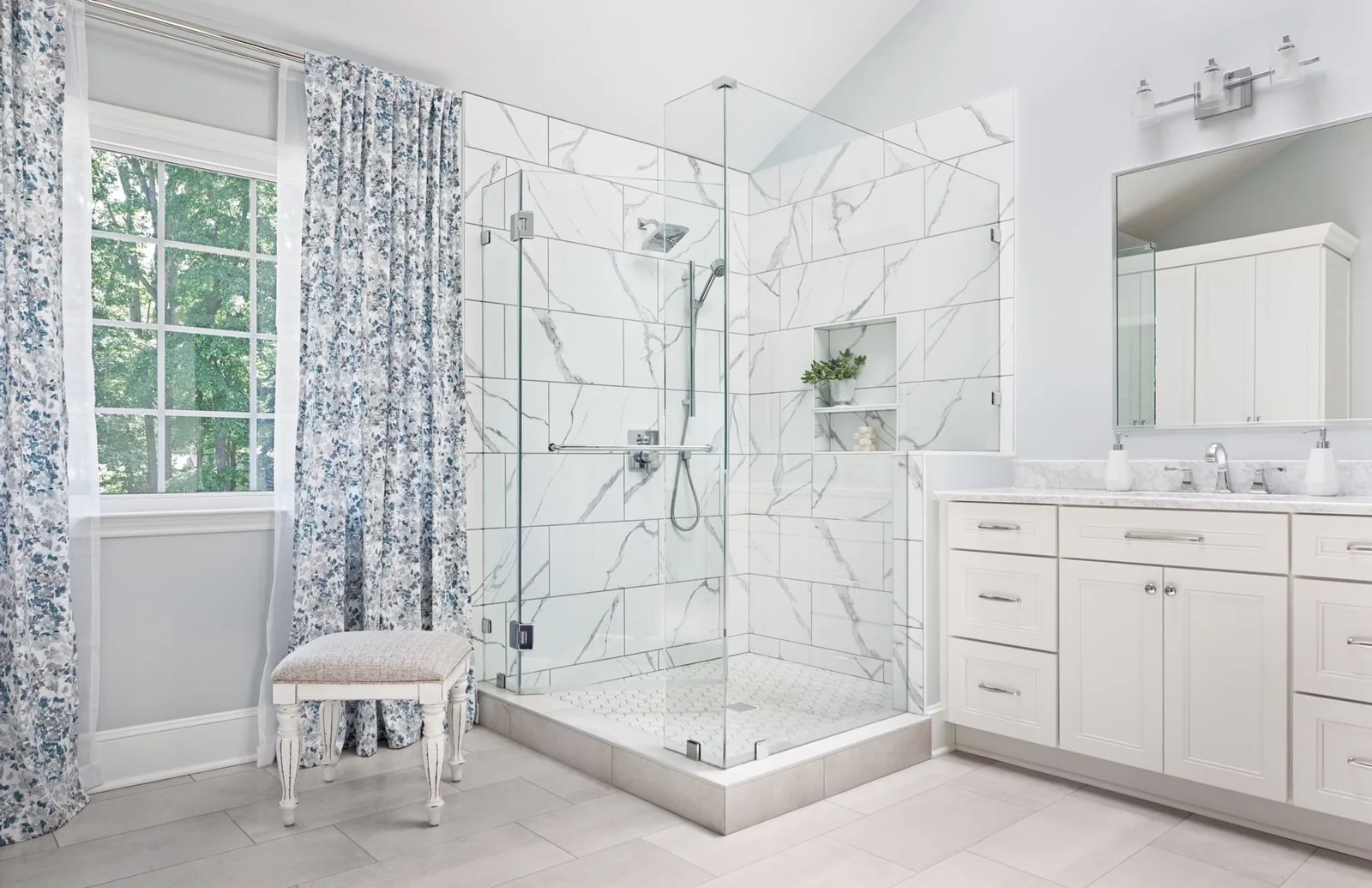
Prevention starts at installation. If you are planning a pool deck remodeling or lanai update, specify grout and sealers rated for coastal environments. Epoxy grout resists moisture penetration far better than cement-based options, though it costs more upfront. For shower areas, proper waterproofing behind the tile matters more than the grout itself. A bathroom remodeling project is the right time to ensure the shower pan and wall membranes are installed correctly.
Between professional services, simple habits extend grout life. Run exhaust fans during and after showers. Squeegee shower walls after use if possible. Keep lanai surfaces clear of debris that traps moisture against grout lines. During hurricane season, check outdoor tile areas after heavy rains for standing water that does not drain properly.
Seasonal residents should arrange for regular property checks during off-months. Grout problems worsen when humidity builds unchecked in closed-up homes. A monthly ventilation routine helps more than intensive cleaning once a year.
The Bottom Line
Gulf-front humidity on Sanibel creates grout challenges that mainland properties do not face. Efflorescence and biological growth are normal in this environment, but they do not have to become permanent damage. A consistent maintenance cycle tied to the seasons, combined with quality sealers and prompt attention to warning signs, keeps your tile looking good for years.
If you notice persistent moisture issues or need guidance on products that perform well in island conditions, our team has helped Sanibel homeowners navigate these exact challenges since 2016. We serve Southwest Florida from Fort Myers and understand what coastal humidity demands from tile installations. Reach out at (239) 265-2814 for a no-obligation estimate, or explore our service areas to confirm we cover your location.