How Often Should You Seal Natural Stone Tile in Naples?
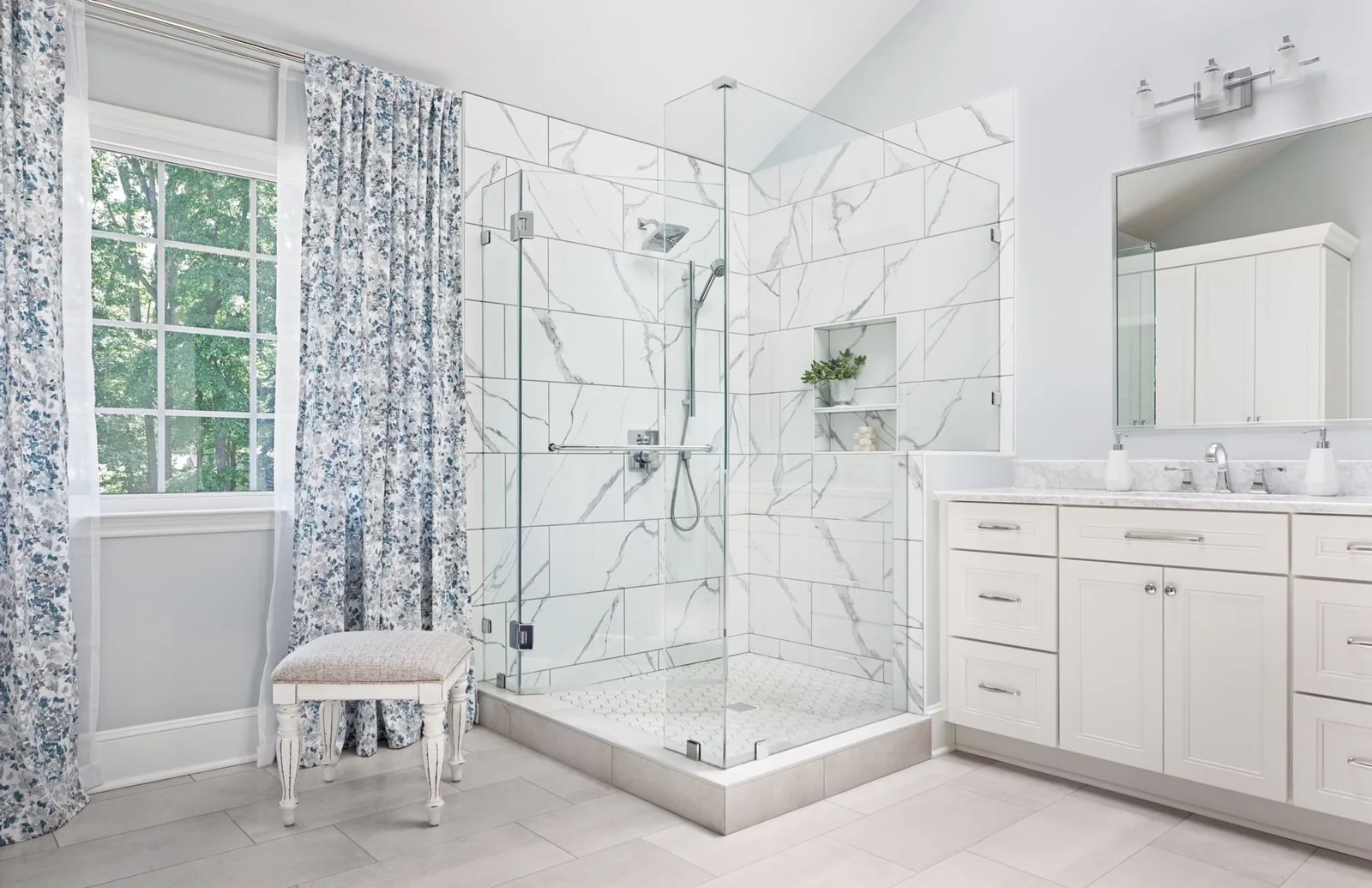
Natural stone tile looks incredible in Naples homes. Marble showers, travertine lanais, limestone floors, slate pool surrounds. The problem is that stone is porous, and Southwest Florida's climate works against it in ways that catch a lot of homeowners off guard. High humidity, pool splash, salt air off the Gulf, and the daily cycle of warm days and air-conditioned interiors all push moisture into stone that was sealed years ago and long past due for a refresh.
We get calls regularly from Naples homeowners who notice their stone has gone dull, started staining easily, or developed a musty smell in a shower. In nearly every case, the sealer has worn through and nobody caught it. This guide walks through the realistic sealing schedule for the most common natural stone types and explains what makes SWFL conditions different from what the product label assumes.
Why SWFL Is Harder on Stone Sealers Than Most Places
Sealer manufacturers publish general reapplication timelines based on average conditions. Southwest Florida is not average. Humidity in Naples routinely sits above 70 percent for months at a time, and that moisture load cycles in and out of porous stone constantly. Add pool splash to a travertine deck or salt-laden air to an outdoor landing, and you have an environment that breaks down penetrating sealers much faster than the label suggests.
Seasonal residents face a different version of the same problem. A home that sits closed from May through November builds up humidity inside while the AC is off or set high. When owners return and open things up, they sometimes find their stone floors or shower walls have absorbed enough ambient moisture to compromise the sealer and allow staining or efflorescence to develop. The stone was not abused; the climate just kept working on it while no one was watching.
General Resealing Timelines by Stone Type
These ranges reflect what we actually see in Southwest Florida installations, not manufacturer minimums:
- Marble (shower or floor): Every 6 to 12 months for a wet shower; every 12 to 18 months for a dry floor in an air-conditioned interior. Marble is among the most absorbent natural stones and shows staining and etching quickly when the sealer fails.
- Travertine (indoor or lanai): Every 12 months outdoors; every 18 to 24 months indoors. Travertine has a naturally open structure. Outdoors in SWFL it takes a beating from rain, humidity, and sunscreen from family members coming in from the pool.
- Limestone: Similar to travertine. Plan on 12 months outdoors, 18 months for dry indoor areas. Limestone is especially sensitive to acidic cleaners, so sealing is critical to keeping the surface intact.
- Slate: Every 2 to 3 years indoors; every 12 to 18 months outdoors. Slate is denser than marble or travertine but still benefits from regular sealing, especially in humid environments.
- Quartzite: Every 2 years indoors, every 12 to 18 months outdoors. Quartzite is harder and less porous than marble but is often confused with softer stones at point of sale, so confirming the actual material before choosing a sealer matters.
The Water-Bead Test: How to Know Without Guessing
You do not need to track dates on a calendar. The simplest way to check whether your stone sealer is still working is to drop a small amount of water on the surface and watch it for 30 to 60 seconds. If the water beads up and sits on top, the sealer is doing its job. If the water darkens the stone as it absorbs, the sealer is gone or nearly gone and you need to reseal before the next round of staining or moisture damage occurs.
Do this test in multiple spots, including areas that see the most traffic or splash. A lanai table area, a shower floor near the drain, and a section near the pool coping are all places where the sealer wears faster than the rest of the surface. A stone that passes the test in the center of the floor may fail it near the entry point.
Pool Areas and Outdoor Stone Deserve Special Attention
If you have natural stone around your pool or on your outdoor tile in Naples, you are dealing with one of the most demanding environments a sealer faces. Chlorinated water, sunscreen, foot traffic, UV exposure, and afternoon rain showers in the summer months all attack the sealer from different angles. Travertine pool coping and lanai floors in Naples often need sealing every 9 to 12 months rather than every two years as some product labels suggest.
Saltwater pools are particularly hard on stone. The salt chemistry interacts differently with stone's mineral composition and can accelerate the breakdown of standard penetrating sealers. If you have a saltwater system, factor that in when you choose a sealer and when you set your reapplication schedule.
Sealer Type Matters as Much as Frequency
Not all sealers are the same. Penetrating or impregnating sealers absorb into the stone and protect from within without changing the surface appearance. Topical sealers coat the surface and can give a glossy look but wear off faster and can peel. For most natural stone in Southwest Florida homes, a quality penetrating sealer applied correctly will outperform a topical product in durability and ease of maintenance.
Application technique matters too. Applying to stone that is not fully clean and dry traps contaminants under the sealer. In SWFL's humidity, getting stone truly dry before application sometimes requires running the AC or fans longer than seems necessary. For a marble shower connected to a broader bathroom remodeling project in Naples, getting the sealing schedule right from the start prevents problems far more difficult to fix later.
When to Call a Professional Instead of DIYing It
Resealing a dry interior floor is a reasonable weekend project for a careful homeowner who uses the right product and follows the instructions. But there are situations where calling a licensed tile contractor makes more sense.
- The stone has existing stains or efflorescence that need to be treated before sealing. Sealing over a stain locks it in.
- The grout joints are compromised or show cracking. Sealing stone on top of failing grout does not address the underlying water intrusion path.
- The stone is in a shower, wet room, or any area where waterproofing is part of the system. The sealer on the tile surface is not the same as the waterproofing membrane behind the wall. If there are signs of moisture behind the stone, that is a structural issue, not a surface maintenance item.
- The stone has never been sealed, or was last sealed many years ago and shows widespread staining or absorption. A professional cleaning and reapplication process is different from a routine reseal.
If you are unsure what you are dealing with, a free estimate from a licensed tile contractor in Naples can tell you whether the stone needs professional restoration before maintenance will hold.
The Bottom Line
Natural stone is a long-term investment, and in Naples the sealing schedule needs to be more aggressive than most national guides suggest. SWFL humidity, pool culture, and salt air are real factors that shorten sealer life. Run the water-bead test twice a year, reseal as soon as the water stops beading, and use the right penetrating sealer for your specific stone type. If you have stone around the pool, on the lanai, or in a wet shower and you cannot remember the last time it was sealed, that is your cue to take care of it before the next rainy season arrives.
Dynasty Tile LLC has been serving Southwest Florida as a licensed tile contractor since 2016. If you have questions about your stone or want a professional eye on what it needs, reach out for a free, no-obligation estimate at (239) 265-2814 or through our contact page.