Natural Stone Tile in a Naples Bathroom: Realistic Maintenance Expectations
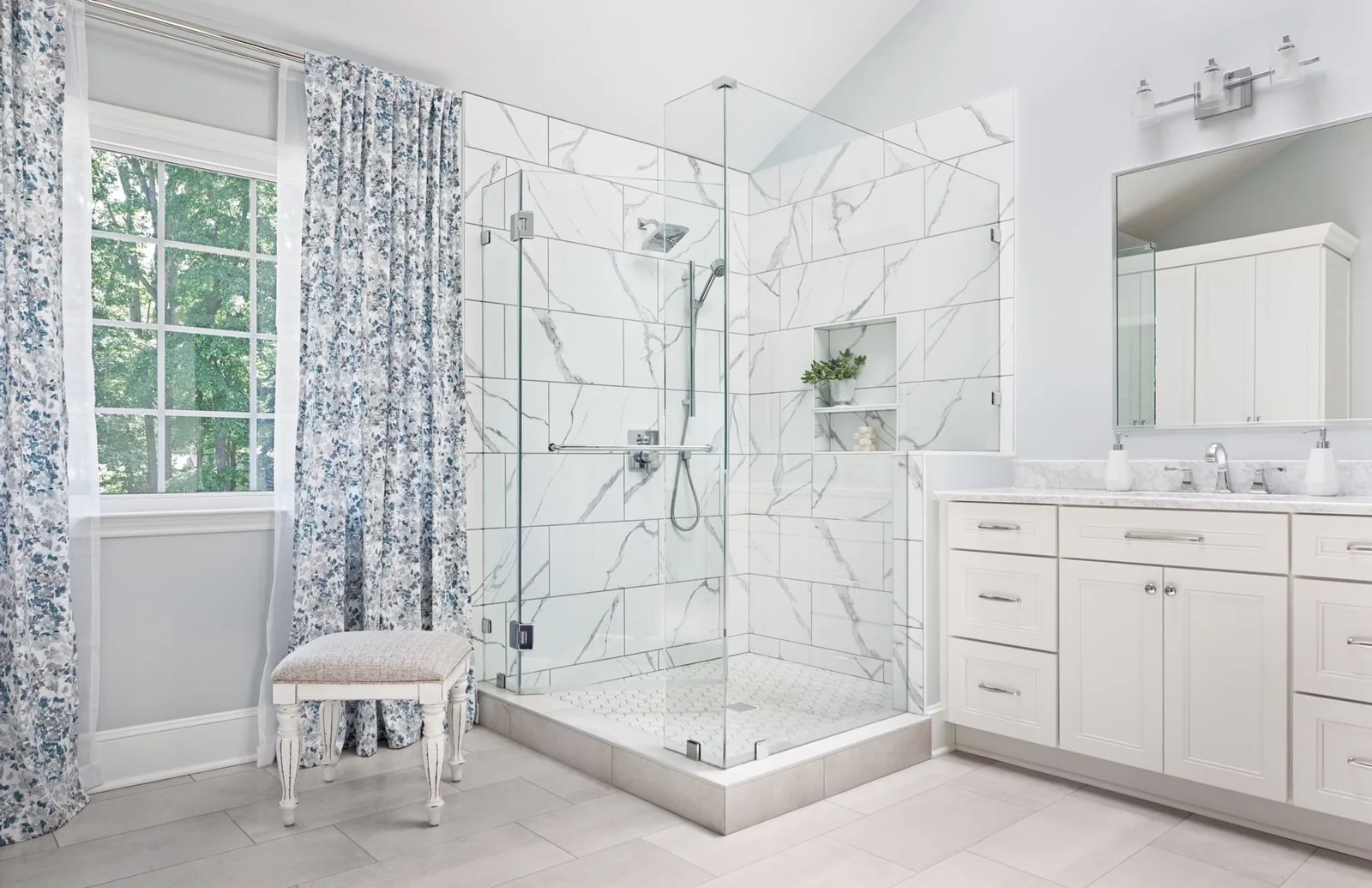
Natural stone tile transforms a bathroom into something special. The veining in marble, the earthy texture of travertine, the soft warmth of limestone. These materials have been used for centuries because they look incredible when installed well.
But here in Naples and throughout Southwest Florida, natural stone behaves differently than it does in drier northern climates. The humidity stays high year-round. Salt air drifts inland from the Gulf. Showers run multiple times per day in many households. All of this affects how stone performs and what kind of care it needs. If you are considering natural stone for your bathroom, or already have it and want to keep it looking its best, you need realistic expectations about maintenance in our environment.
Why Naples Humidity Changes the Game for Natural Stone
Southwest Florida averages 70 to 80 percent relative humidity throughout most of the year. That moisture hangs in the air and settles into porous materials. Natural stone is inherently porous, even when sealed. Travertine has visible pits and voids. Marble has crystalline structures that can absorb water. Limestone is dense but still breathes.
In a bathroom, you add another layer of moisture. A hot shower creates steam that fills the entire room. That steam condenses on walls, floors, and grout lines. In Naples, that moisture does not dry out quickly because the ambient air is already saturated. Stone stays damp longer than it would in Arizona or Colorado.
This extended moisture exposure means sealing schedules need to be more frequent. It also means you should watch for signs of wear more carefully. Stone that might need resealing once a year in a dry climate could need attention every six to nine months here.
Travertine Care in a Humid Climate
Travertine is a popular choice for bathroom floors and shower surrounds. Its natural pits and texture give it character. Many homeowners in Naples choose honed and filled travertine for a smoother surface that is easier to maintain.
Daily and weekly care: Wipe down wet surfaces after showering when possible. A squeegee on glass doors and a quick towel pass on stone walls reduces standing water. Sweep or vacuum stone floors weekly to remove grit that can scratch the surface. Mop with a pH-neutral stone cleaner only. Never use vinegar, lemon juice, or generic bathroom cleaners on travertine. The acids will etch the surface.
Sealing schedule: In our humidity, expect to reseal travertine every six to nine months in high-use bathrooms. Test by sprinkling a few drops of water on the surface. If it darkens or absorbs within a minute, it is time to reseal. Use a penetrating sealer designed for natural stone in wet areas.
What to watch for: Dark spots that do not wipe away indicate water penetration. Efflorescence, which looks like white powdery residue, signals moisture moving through the stone and depositing minerals. Both mean the sealer has degraded. If you notice soft spots or tiles that sound hollow when tapped, consult a licensed tile contractor. There may be waterproofing or adhesion issues behind the stone.
Marble Tile Maintenance in Florida Bathrooms
Marble brings elegance that few materials can match. The veining patterns are one-of-a-kind. But marble is also the most sensitive of the three stones we discuss here. It is calcium-based, which means acids attack it immediately.
Daily and weekly care: Marble demands more attention than travertine or limestone. Wipe up any spills immediately, especially from toiletries, perfumes, or hair products. Many personal care items contain acids or alcohols that can dull the polish. Clean only with products labeled safe for marble. Rinse thoroughly after cleaning to avoid residue buildup.
Sealing schedule: Marble in a Naples bathroom should be sealed every four to six months. Some homeowners with master baths that see heavy daily use reseal quarterly. The sealer does not make marble acid-proof. It buys you time to wipe up spills before they etch the surface.
Etching and what to do: An etch mark looks like a dull spot where the polish has been removed. Light etching can sometimes be polished out with a marble polishing powder. Deeper etches require professional restoration. Prevention is far easier than repair. Keep acidic products away from marble surfaces entirely.
For homeowners who love the marble look but want less maintenance, porcelain tile that mimics marble is worth considering. It provides the aesthetic without the sensitivity. A bathroom remodeling project is the ideal time to weigh these options.
Limestone Expectations for Southwest Florida Bathrooms
Limestone sits between travertine and marble in terms of maintenance demands. It is denser than travertine but less reactive than marble. The color palette tends toward warm beiges, creams, and soft grays that work well in coastal homes.
Daily and weekly care: Limestone handles daily use well when sealed properly. Sweep or dust mop floors to prevent grit buildup. Clean with a neutral stone cleaner. Avoid anything with ammonia or bleach, which can discolor the stone over time. In showers, good ventilation is critical. Run the exhaust fan during and for at least 20 minutes after showering.
Sealing schedule: Plan to reseal limestone every eight to twelve months in a Naples bathroom. Test the same way you would with travertine. Water should bead on the surface, not soak in. If you have a seasonal home that sits empty for months, seal before you leave and again when you return. Stagnant humidity during closure periods can affect stone.
Discoloration concerns: Limestone can develop yellowish tones if water sits on it repeatedly. This is more common around shower bases and near faucets. Consistent drying and proper sealing prevent this. If discoloration appears, a professional assessment can determine if it is surface-level or has penetrated deeper.
Grout and Waterproofing: The Hidden Factors
Stone gets most of the attention, but grout and waterproofing determine whether your installation lasts. Grout is porous. It absorbs water and can harbor mildew if not maintained. In our humidity, grout lines stay damp longer, which creates an environment where mildew thrives.
Grout sealing: Seal grout at the same time you seal your stone. Reapply grout sealer every six months in shower areas. This is non-negotiable in Southwest Florida. Unsealed grout turns dark from moisture and mildew, which makes the entire installation look aged and dirty even when the stone is clean.
Waterproofing behind the stone: This is where professional installation matters most. Waterproofing membranes behind shower walls and under floor tile prevent water from reaching the substrate. If waterproofing fails, water can sit behind the stone, leading to delamination, mold growth, and structural damage. These problems are not visible until they become serious.
If you are planning a tile installation in Naples or the surrounding area, ask specifically about the waterproofing system being used. It should meet industry standards for wet areas. This is not a place to cut corners.
When to Call a Professional
Some maintenance tasks homeowners can handle. Daily wiping, regular cleaning, and even resealing are within reach for most people. But certain situations require a licensed tile contractor.
Call for professional help if you notice any of the following:
- Hollow sounds when tapping on tiles, indicating adhesion loss
- Cracks running through multiple tiles
- Soft spots in the floor around the toilet or shower
- Persistent mildew that returns quickly after cleaning
- Water staining on ceilings or walls below the bathroom
- Loose or missing grout in shower areas
These signs point to issues beyond surface maintenance. They suggest problems with the installation, waterproofing, or substrate that need expert diagnosis and repair.
The Bottom Line
Natural stone in a Naples bathroom is beautiful but demands commitment. Travertine needs resealing every six to nine months. Marble requires the most vigilance with four to six month sealing and immediate spill cleanup. Limestone falls in between at eight to twelve months. All three need pH-neutral cleaners, good ventilation, and sealed grout maintained twice a year.
If this sounds like more upkeep than you want, porcelain tile that replicates natural stone has come a long way. Modern options capture the look with far less maintenance. Whether you choose genuine stone or porcelain alternatives, proper installation and waterproofing are essential in our climate.
For guidance on stone selection, maintenance products, or installation questions, reach out to our team. We are a licensed tile contractor based in Fort Myers, serving Southwest Florida since 2016. Call (239) 265-2814 for a free, no-obligation estimate. We can help you decide whether natural stone fits your lifestyle or if an alternative would serve your Naples home better.