Caring for Porcelain Pavers on Your Pool Deck Year-Round in Estero
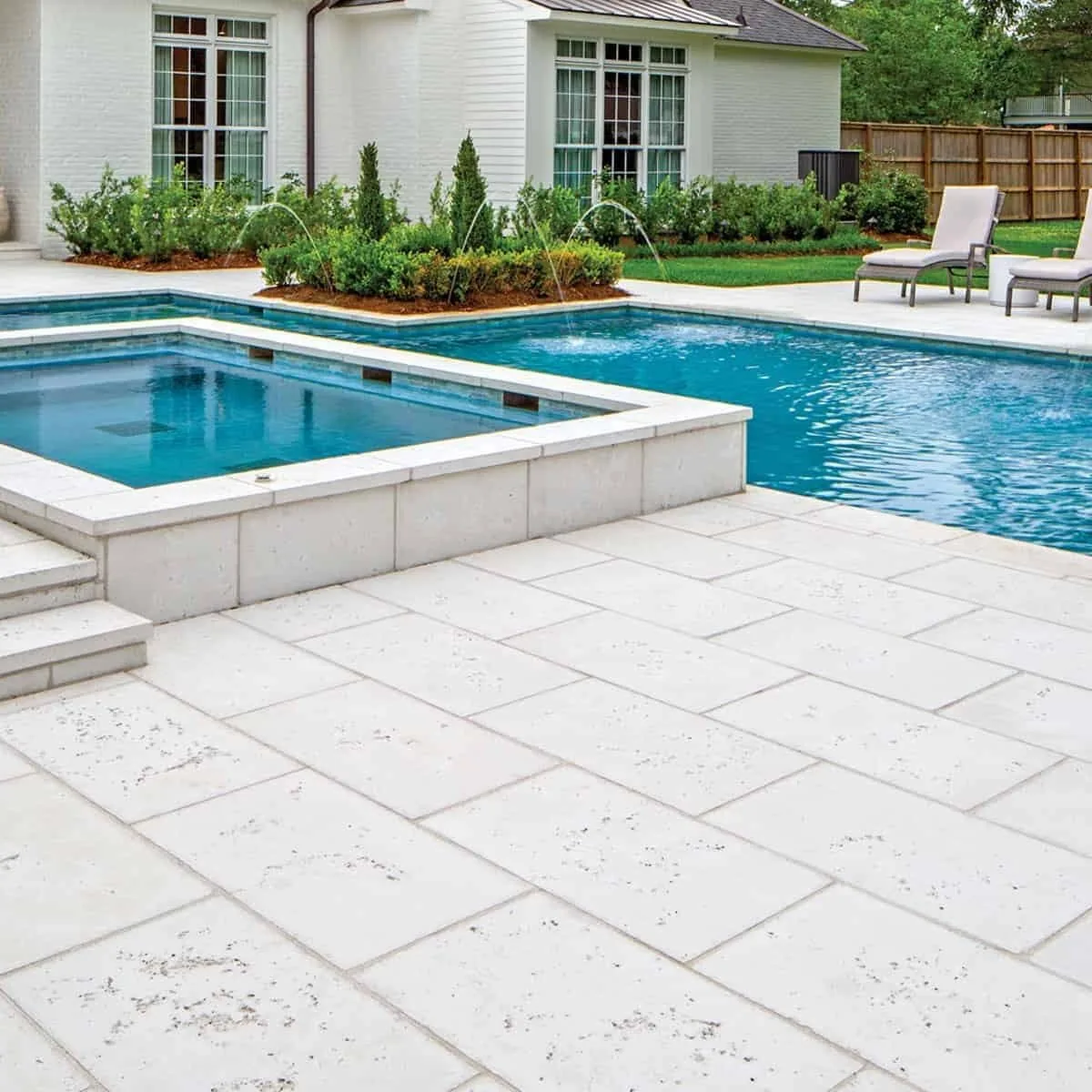
Porcelain pavers have become one of the most popular choices for pool decks across Estero and the broader Southwest Florida area, and for good reason. They handle heat, moisture, and foot traffic better than most alternatives. But "low maintenance" does not mean "no maintenance." What we see most often when homeowners call us about faded, stained, or cracked pool decks is that small seasonal problems were ignored until they became expensive ones.
The SWFL climate runs on its own calendar. Pollen blankets everything in late winter and early spring. The rainy season hammers surfaces from June through September. Salt-chlorine and saltwater pool systems are slowly working on your grout joints all year long. Each phase of the year calls for slightly different habits, and knowing what to watch for each season makes a real difference in how long your deck looks and performs.
Late Winter and Spring: Managing Pollen Buildup
From roughly February through April, pine and oak pollen coat outdoor surfaces across Estero in a yellow-green film. On a pool deck, that film mixes with morning dew and bakes onto porcelain in the afternoon heat. Left long enough, it can discolor light-colored pavers and work its way into grout pores.
The fix is simple but needs to be consistent. Rinse the deck with a garden hose every week or two during heavy pollen season. A low-pressure rinse is enough for loose pollen; if it has started to bond, a gentle scrub with a soft-bristle brush and a pH-neutral tile cleaner will lift it without damaging the paver surface or grout. Avoid acidic cleaners unless the product label specifically lists porcelain tile as a safe surface. Acid can etch the surface and erode grout over time.
Spring is also a good time for a full visual inspection. Get close to the grout joints and look for hairline cracks, soft spots, or areas where grout has started to pull away from the paver edges. Those are early signs of movement in the setting bed underneath, and they are worth addressing before rainy season adds water infiltration to the mix.
Early Summer: Getting Ahead of Rainy Season
May is the window most Estero homeowners have before the afternoon thunderstorms start in June. This is the right time to reseal any grout joints that are showing wear, and to make sure the deck drainage is clear of debris.
Porcelain pavers themselves are nearly impervious to water, but the grout joints between them are not. Epoxy grout holds up better than sanded or unsanded cement grout in wet outdoor environments, but even epoxy grout needs periodic inspection. If joints have cracked or chipped, water gets underneath the pavers during heavy rain events. That water can undermine the sand-set or mortar bed below, which is how you end up with rocking, hollow-sounding pavers after a few seasons.
For homeowners with pool deck tile in Estero that is more than five or six years old, a pre-rainy-season checkup by a licensed tile contractor is worth doing. A professional can sound-test the deck, identify loose pavers, and re-bed them before water infiltration causes wider damage.
Rainy Season: Controlling Organic Growth
June through September in Southwest Florida means daily rain, high humidity, and surface temperatures that encourage algae, mold, and mildew. On a pool deck that is wet more days than it is dry, organic growth can appear on both the paver faces and grout joints within weeks.
A few habits make a real difference. Brush or blow debris off the deck regularly so wet leaves are not sitting on the surface for days at a time. Use a diluted bleach solution (one part bleach to ten parts water) or a commercial algae remover rated safe for porcelain, let it dwell for five to ten minutes, then rinse thoroughly. Do not let bleach solution contact metal pool fixtures or landscaping. Rainy season is also when grout staining accelerates from iron-rich sandy soil and fertilizer runoff. Treat stains within a day or two while they are still fresh.
Salt Systems and Year-Round Chemical Exposure
Salt-chlorine generators have become standard on many Estero pools, and saltwater pools are common on waterfront properties throughout the area. Porcelain pavers handle salt exposure very well compared to natural stone or concrete, but the grout joints in a salt environment do degrade faster than the pavers themselves.
Salt accelerates the slow dissolution of cement-based grout, especially where joints are thin or were not fully packed during installation. The first sign is usually a chalky or crumbly texture, followed by small voids along the joint edges. Once gaps open up, pool water and cleaning chemicals get a direct path to the substrate.
Inspect grout joints closely at least once a year, ideally in the fall when seasonal residents return to their Estero homes for the winter. Any joints that are soft, crumbly, or showing voids should be regrouted before the next full season of use. Also pay close attention to the area around return jets, skimmers, and drains, where water chemistry is more concentrated and grout failure tends to start first.
Fall and Dry Season: Cleaning and Restoring the Surface
October through January is the best time of year for more thorough maintenance tasks. Humidity drops, temperatures are comfortable for outdoor work, and your pool deck gets heavy use from seasonal guests and family gatherings.
A thorough fall cleaning should include a full scrub with a soft-bristle brush and a cleaner rated for porcelain, paying special attention to grout joints. If you have any efflorescence (a white chalky deposit that sometimes develops in grout or at paver edges), this is the right time to address it with an efflorescence remover before it hardens further.
If the pavers have a textured slip-resistant surface, check that the texture is not becoming polished or worn in high-traffic areas such as the pool entry steps and areas near the ladder. In Estero and throughout SWFL, slip-resistant texture on pool deck pavers is not just aesthetic, it is a real safety factor. A licensed outdoor tile specialist in Estero can assess whether wear has compromised the slip resistance of your specific paver product.
What to Leave to a Professional
Some conditions call for a licensed tile contractor rather than a DIY fix. Rocking or hollow-sounding pavers mean the setting bed has been compromised. Re-bedding them correctly requires proper substrate preparation and re-waterproofing, and doing it without addressing the root cause usually results in the same failure the following season. Widespread grout failure, persistent water intrusion near the pool shell, or cracked pavers are all signs that surface-level repairs will not hold. A free estimate from a licensed contractor gives you an honest picture of what the deck actually needs.
Dynasty Tile has been working on pool decks and outdoor tile across Southwest Florida since 2016, including many projects in Estero. If you want a professional assessment, visit our contact page to schedule a no-obligation walkthrough.
The Bottom Line
Porcelain pavers are genuinely durable, but durability in a Florida pool environment is earned through consistent seasonal care. Stay on top of pollen buildup in the spring, get ahead of drainage and grout issues before rainy season, manage organic growth through the summer, and do your thorough inspection and cleaning in the fall. Address grout problems in a salt environment early, and call a licensed professional when you see signs of structural movement or waterproofing failure. A well-maintained porcelain pool deck in Estero will serve your family for many years without needing a full replacement.