How Salt Air Affects Tile Grout on North Fort Myers Screened Enclosures
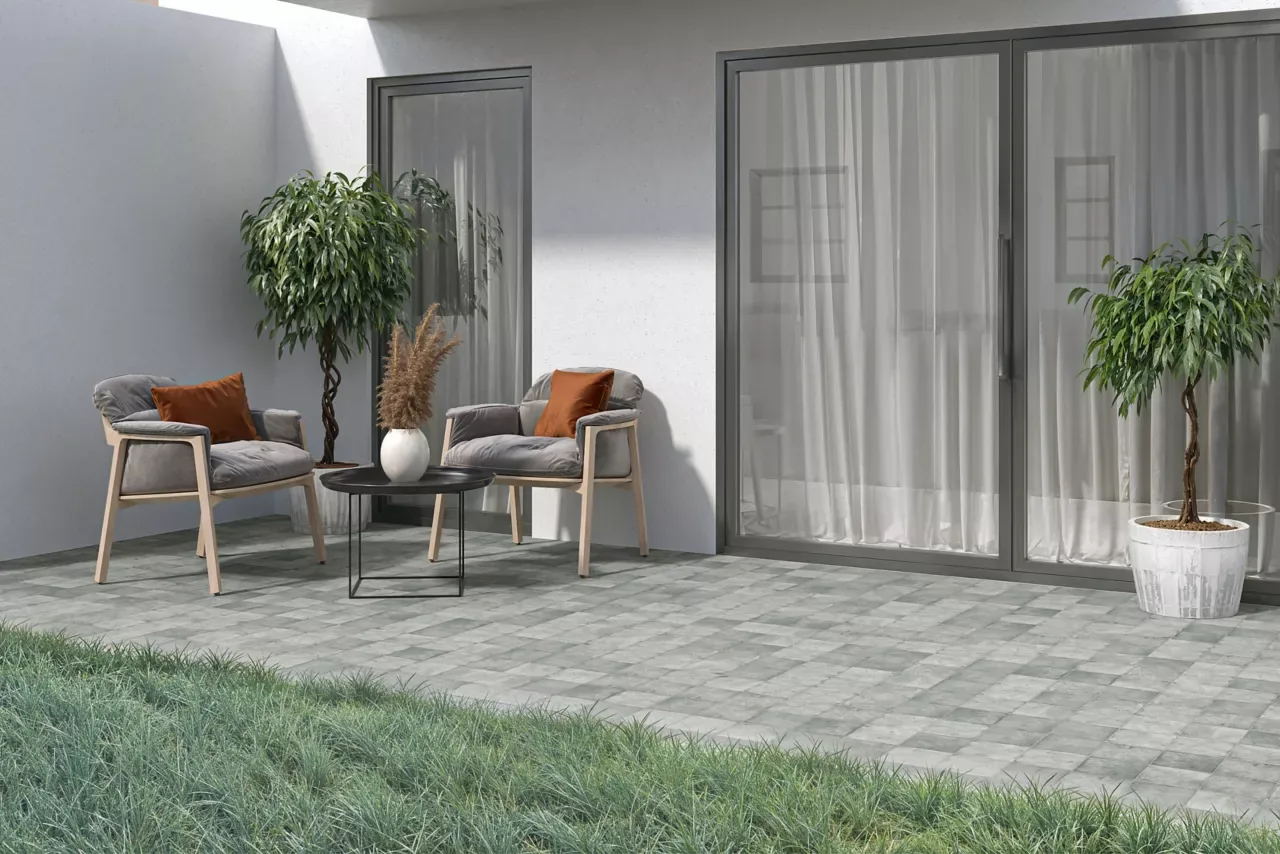
Living near the Caloosahatchee River means enjoying beautiful waterfront views from your screened lanai, but it also means constant exposure to airborne salt. Many North Fort Myers homeowners notice their lanai tile grout deteriorating faster than expected, even though the space feels protected from the elements.
Screened enclosures block debris and insects effectively, yet they do not stop microscopic salt particles from settling on surfaces daily. Over time, this salt accumulation breaks down grout bonds and creates maintenance headaches for coastal homeowners throughout Southwest Florida. Understanding how salt air affects your lanai helps you protect your investment.
Why Screened Lanais Still Face Salt Damage
The screening material keeps out leaves, bugs, and larger debris, but salt particles are microscopic. They drift through mesh openings and settle on tile surfaces with the prevailing breezes. When humidity rises, which happens frequently in our SWFL climate, the salt becomes active and starts breaking down grout materials from the inside out.
North Fort Myers sits directly on the Caloosahatchee River, making properties here particularly vulnerable to airborne salt. The prevailing winds carry salt air inland from the Gulf, and even homes several blocks from the water experience accelerated grout deterioration compared to inland communities like Lehigh Acres or eastern Cape Coral.
Many homeowners assume their screened lanai is fully protected. We see this misconception often when inspecting outdoor spaces. The reality is that salt penetrates screening just as easily as humidity does, and the combination of salt plus moisture creates an aggressive environment for traditional cement-based grout.
Signs Your Lanai Grout Needs Attention
Catching salt damage early prevents costly repairs later. Watch for these warning signs during your routine home maintenance checks:
- Grout that appears powdery or crumbly when you run your finger across it
- White crystalline salt deposits visible on grout lines after dry spells
- Grout that discolors or darkens despite regular cleaning efforts
- Small cracks or gaps forming between tile and grout lines
- Loose tiles that shift slightly underfoot or sound hollow when tapped
- Mold or mildew growth that returns quickly after cleaning
These symptoms often start subtly in one corner of the lanai before spreading. Homeowners might notice wear near the outer edges of the screened enclosure first, where salt exposure is highest, before realizing the entire space faces the same conditions.
Preventive Maintenance for Coastal Lanais
Regular maintenance significantly extends grout life in salt air environments. Here is what works for North Fort Myers properties based on what we have seen across thousands of outdoor installations:
Fresh Water Rinsing
Once monthly during dry season and twice monthly in summer, rinse your lanai tile with fresh water from a garden hose. This simple step washes away salt deposits before they accumulate and cause damage. Focus extra attention on corners, edges, and low spots where salt tends to concentrate after rain evaporates.
Proper Cleaning Techniques
Use pH-neutral cleaners specifically designed for tile and grout. Avoid acidic cleaners like vinegar solutions that can weaken grout bonds further. A soft to medium brush works better than stiff wire bristles that might damage already-compromised grout lines. Clean in sections and rinse thoroughly to avoid leaving residue.
Sealant Application
Quality penetrating grout sealants create a protective barrier against salt penetration. Reapply sealant every 12 to 18 months for lanais in coastal areas like North Fort Myers. This frequency exceeds inland recommendations but proves necessary given our exposure levels. Test sealant effectiveness by dripping water on grout. If it absorbs quickly rather than beading, resealing is due.
When to Call a Licensed Tile Contractor
Some situations require professional assessment and repair rather than DIY maintenance. Contact a licensed tile contractor if you notice:
- Multiple loose or hollow-sounding tiles across the lanai floor
- Water staining on interior ceilings or walls directly below the lanai
- Extensive grout loss across large areas exceeding a few square feet
- Visible cracks in the concrete slab beneath the tile
- Tiles that have shifted enough to create trip hazards
Attempting major repairs without proper training often leads to bigger problems. Waterproofing beneath tile requires specific knowledge and tools that most homeowners do not possess. For outdoor tile installations, proper slope and drainage are critical to prevent water from pooling and accelerating damage.
Choosing Grout for Salt Air Environments
If you are planning lanai updates or pool deck remodeling, grout selection matters significantly for coastal properties. Epoxy grout resists salt penetration far better than traditional cement-based options. While installation costs more initially, the extended lifespan often justifies the investment for North Fort Myers homeowners who want to minimize future maintenance.
Polymer-modified cement grout offers a middle ground for budget-conscious homeowners. It provides better salt resistance than standard grout without the full cost of epoxy systems. Your tile contractor can help weigh options based on your specific exposure level, lanai usage, and long-term maintenance preferences.
Tile selection also plays a role. Porcelain pavers with tight grout joints leave less surface area exposed to salt air. Larger format tiles mean fewer grout lines overall, which translates to less vulnerable surface area on your lanai floor.
The Bottom Line
Screened lanais near the Caloosahatchee River face unique challenges from salt air exposure that inland properties do not encounter. Regular rinsing with fresh water, proper cleaning with neutral products, and timely sealant application protect your investment from premature deterioration. When damage appears, addressing it promptly prevents small issues from becoming major repairs that require full replacement.
North Fort Myers homeowners benefit from working with contractors who understand coastal exposure conditions and material performance in our specific climate. For personalized advice on your lanai tile maintenance or outdoor tile installation options, Dynasty Tile provides free, no-obligation estimates. As a licensed tile contractor serving Southwest Florida since 2016, we have helped countless homeowners protect their outdoor living spaces from salt air damage.