Salt Air and Your Home Finishes: What Every Sanibel Island Owner Needs to Know
Owning a home on Sanibel means trading mainland convenience for barrier-island beauty, and most owners make that trade gladly. But the same salt-laden breeze that makes the evening lanai perfect is quietly working on every exposed surface in your home. Floors, grout joints, metal fixtures, even the tile itself behave differently here than they do twenty miles inland, and the maintenance rhythms that worked in a previous home may not be enough.
We see this pattern regularly in Southwest Florida coastal properties: owners notice a rust streak near a threshold, grout that has gone from cream to gray in one season, or a metal drain cover that is pitting badly. These are not random maintenance failures. They are predictable results of barrier-island chemistry, and once you understand the sequence, staying ahead of it becomes straightforward.
What Salt Air Actually Does to Surfaces
Salt air is not just humid air. It carries microscopic chloride particles that deposit on every surface exposed to airflow, including floors near open doors, grout lines on the lanai, and any metal component in a bathroom with a sea-facing window. Chlorides are highly reactive. They accelerate corrosion on metals, break down certain sealers faster than normal UV alone would, and work into grout pores where moisture then freezes the damage in place during the dry-season temperature swings we get here in Southwest Florida.
On tile surfaces specifically, the damage follows a sequence: the sealer degrades, chloride-laden moisture enters the grout, minerals precipitate out as the moisture evaporates, and you end up with efflorescence, staining, or crumbling joints. The cycle repeats faster on the western exposures that catch the Gulf breeze directly.
Choosing Tile and Grout That Resist Salt Exposure
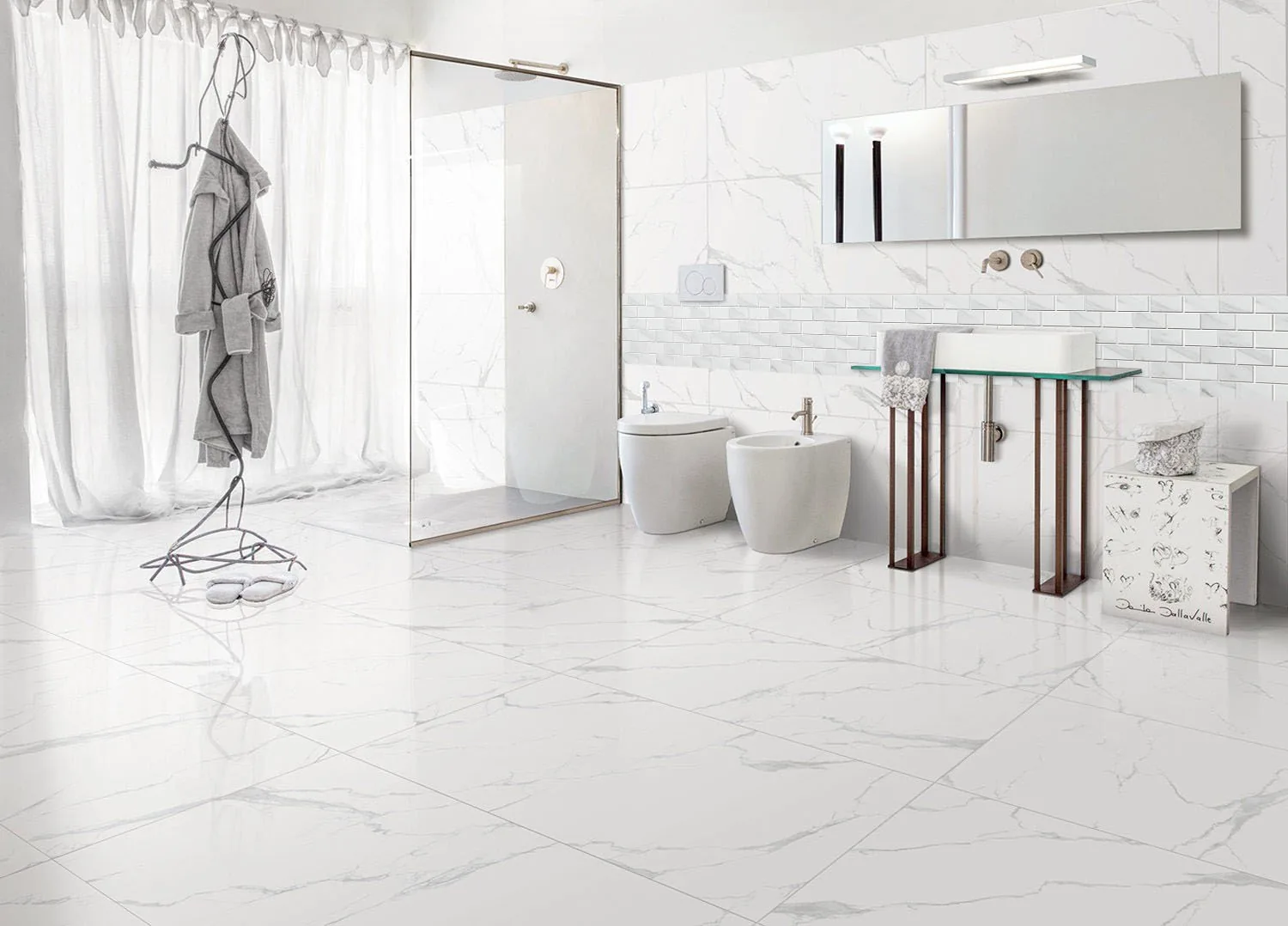
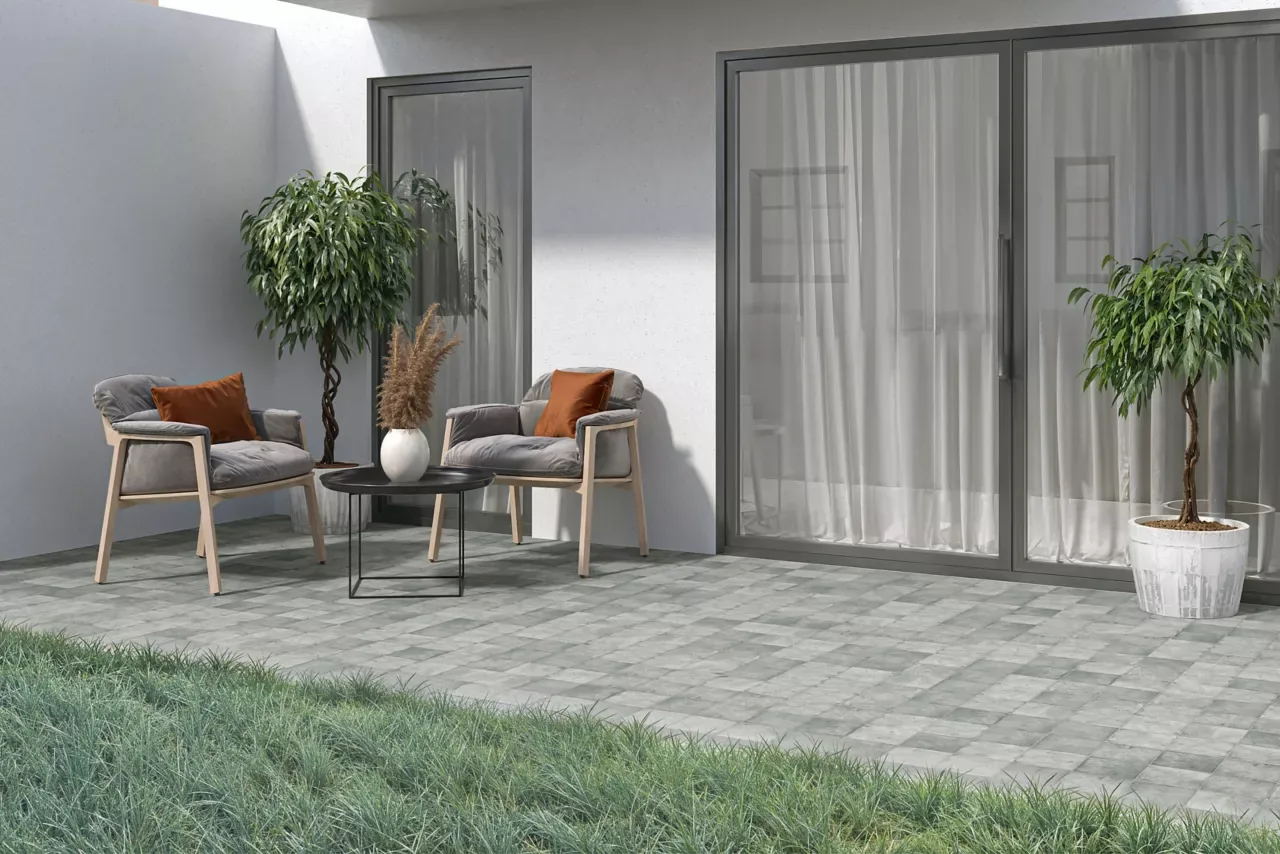
The single best decision for any Sanibel home is to default to full-body porcelain tile in outdoor and transitional spaces. Porcelain absorbs almost no moisture, which means chlorides have very little pathway into the material itself. Natural stone, particularly the softer limestones and marbles that look beautiful in a coastal setting, is more porous and demands more aggressive sealing on the island than it would in a Naples or Fort Myers home that sits farther from open water.
For grout, epoxy grout is the clear winner in any wet or semi-outdoor application on the island. It is essentially impervious to the salt and chloride cycling that destroys cement-based grout over time. For interior dry areas where epoxy seems excessive, a high-quality sanded grout sealed properly and re-sealed on a tight schedule is workable, but the schedule has to be honest.
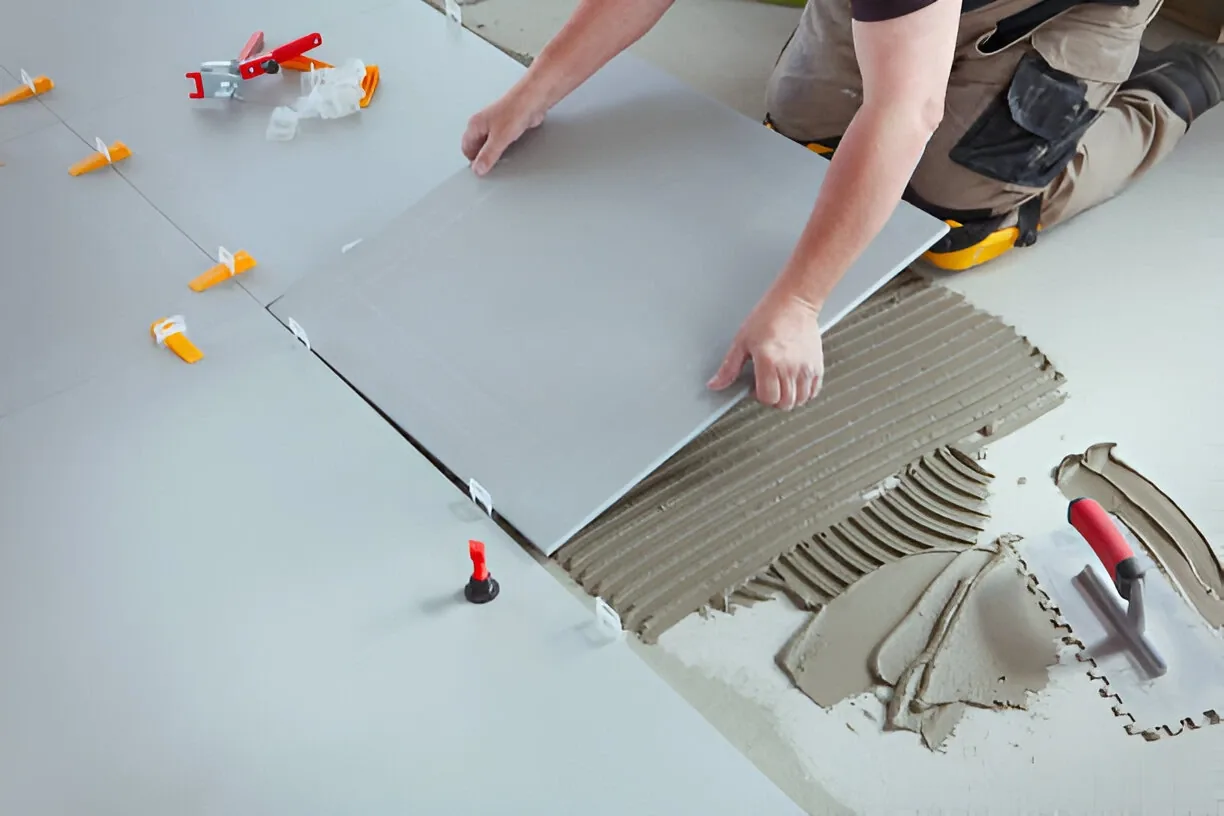
Tile format matters too. Large-format tile means fewer grout joints, which means fewer entry points for chlorides. A 24x24 porcelain paver on a Sanibel outdoor space will be dramatically easier to maintain than a 6x6 ceramic with many more linear feet of exposed joint.
Metals: The Surface Most Homeowners Underestimate
Tile holds up well when chosen correctly, but the metals around it often fail first. Shower drains, threshold strips, towel bars, door hinges on bathroom cabinets, and exterior light fixtures all take the brunt of salt-air exposure. Stainless steel rated 316 marine grade resists salt corrosion significantly better than the standard 304 grade that shows up in most builder-grade fixtures. Brass and oil-rubbed bronze finishes can work, but they need regular waxing or a protective coating to stay presentable.
We often find that the tile in a bathroom renovation looks fine but the metal trim pieces are pitting or corroding because the original contractor used inland-standard materials. If you are planning a bathroom remodel on Sanibel, specifying marine-grade or coated hardware at the start is far cheaper than replacing fixtures two years after installation.
Cleaning Rhythms for Island Homes
The cleaning approach that works for a Fort Myers home fifteen miles from the water is too relaxed for Sanibel. Here is what we recommend based on what we observe in homes here and throughout coastal Southwest Florida:
- Lanai and pool deck tile: Rinse with fresh water weekly during summer, especially after storm events or wind. Fresh water dilutes and removes chloride deposits before they can cycle into the grout. A monthly scrub with a pH-neutral cleaner is appropriate for most porcelain surfaces.
- Indoor tile near windows and exterior doors: Damp-mop more frequently than you might inland, at least every week during the open-window months. Salt particles settle on floor surfaces near entries and accumulate in grout without being visible until staining has already begun.
- Grout re-sealing schedule: On Sanibel, a realistic schedule for cement-based grout in semi-outdoor or transitional areas is once a year, not the every-two-to-three-years that works in protected inland homes. For indoor dry areas, every eighteen months is reasonable.
- Metal fixtures: Wipe down exposed metal hardware monthly with a microfiber cloth. A light coat of car wax on marine stainless or chrome fixtures every few months creates a barrier that noticeably slows pitting.
Seasonal Residents and Salt-Exposure Planning
Many Sanibel owners are seasonal, and the months the home sits unoccupied create specific risks. A closed home with no fresh-air circulation still accumulates humidity. Salt particles that have settled on surfaces are not diluted or removed. Grout can develop mold and mildew in standing humidity, and any minor sealer failure that would have been caught and addressed by a full-time resident can progress unnoticed for months.
If you spend summers off the island, build a caretaker visit into the off-season schedule. At minimum, have someone rinse the lanai and pool deck monthly, check for standing water near tile transitions, and confirm that the grout looks intact. Problems caught early, especially around pool waterline tile and lanai thresholds, are typically straightforward repairs. The same problems caught after a full summer can mean full re-grouting or tile replacement.
When to Call a Licensed Contractor
Routine cleaning and sealing are genuinely DIY-friendly tasks, and homeowners who stay on top of them can maintain their tile surfaces well. But certain issues require a licensed professional. If you notice grout that is crumbling at the edges, tile that sounds hollow when tapped, or any soft spots underfoot in a tiled area, those conditions suggest a failure in the substrate or the waterproofing layer behind the tile, not just surface maintenance. Attempting to re-grout over a compromised substrate only masks the problem temporarily.
Similarly, any tile work involving waterproofing membranes, shower pans, or transitions near structural elements should be handled by a licensed tile contractor rather than addressed as a DIY project. Water damage that starts in a compromised waterproofing layer can migrate into framing before it becomes visible at the surface, and the repair cost grows significantly once that happens.
Dynasty Tile is a licensed tile contractor based in Fort Myers serving Southwest Florida, including Sanibel, since 2016. We offer free, no-obligation estimates and are familiar with the specific demands that coastal barrier-island conditions place on tile work and finishes.
Putting It Together for Island Homeowners
Salt air on Sanibel is one of the defining features of life on the island, and it does not have to mean constant repair bills. The owners who stay ahead of it are the ones who chose the right materials at installation, keep a realistic cleaning rhythm, and catch small issues before they become structural ones. Porcelain over stone outdoors, marine-grade metals, epoxy grout in wet areas, and fresh-water rinsing on a weekly cycle will carry most island homes through years of coastal exposure without major intervention.