How Sand and Salt Air Wear Down Lanai Tile and What to Do
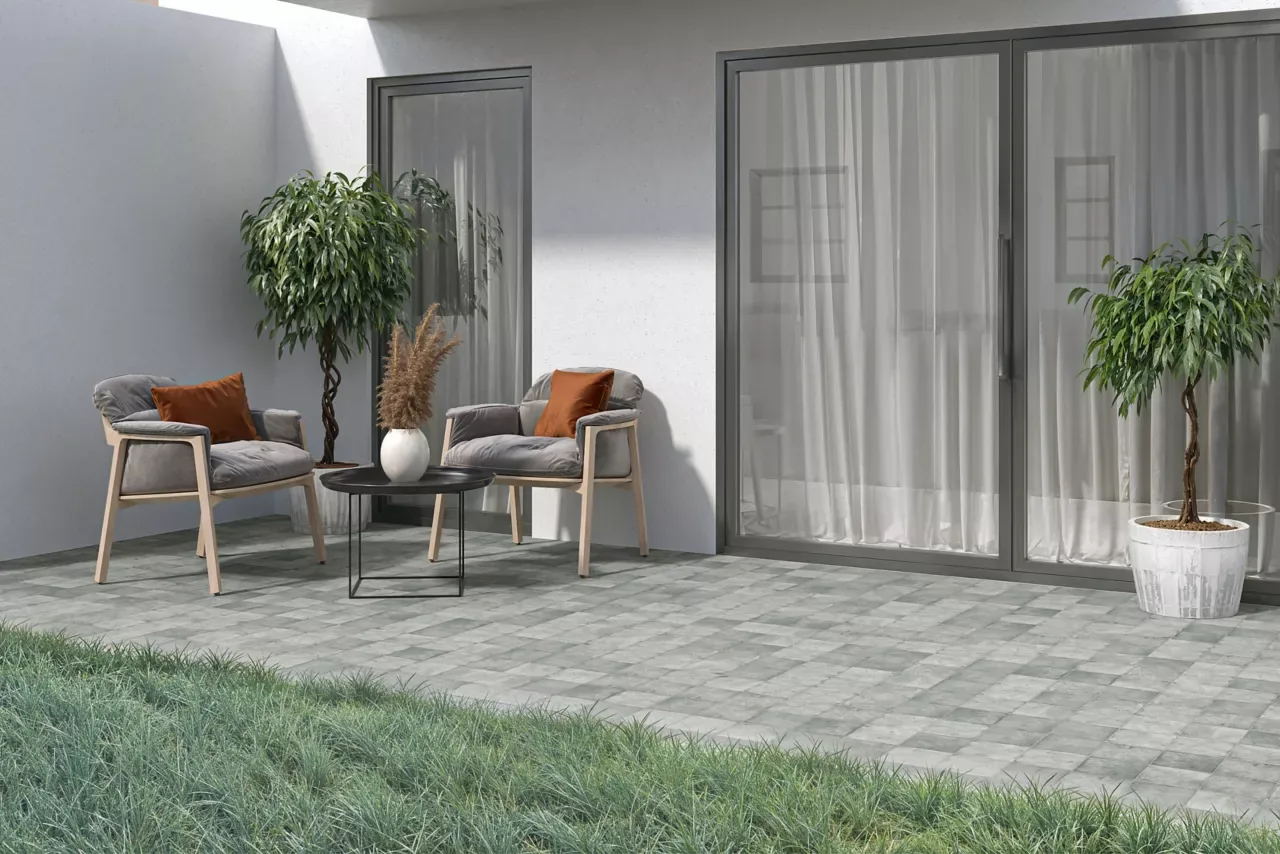
If you live on or near the water in Fort Myers Beach, your lanai tile is up against two forces that most homeowners underestimate: fine sand carried on the breeze and the invisible film of salt that settles on every surface facing the Gulf. Together they act like slow sandpaper on grout joints, tile glazes and the sealer that protects everything underneath. We see this pattern constantly on lanais throughout Southwest Florida, and the damage is almost always avoidable with a few consistent habits.
This guide breaks down exactly what is happening to your tile, how to spot early trouble before it becomes a full replacement job, and what maintenance steps actually work in a coastal Florida environment.
What Sand Actually Does to Tile
Sand particles are sharp. When they blow onto a lanai and get walked across the tile surface, they act as an abrasive that scuffs the glaze on ceramic tiles and slowly erodes the surface texture on porcelain pavers. On matte or textured outdoor tiles built for slip resistance, this same abrasion can actually reduce the grip over time, which is a real safety concern around any wet area.
The bigger damage, though, happens to grout. Grout is softer than tile, and fine sand ground repeatedly into joints works its way into micro-cracks and widens them. Once a grout joint is compromised, water can reach the substrate below. In Fort Myers Beach, where summer rain is intense and the water table is high, that moisture path leads to efflorescence, loose tiles and, eventually, a failed installation.
How Salt Air Attacks Differently
Salt does not abrade, it corrodes. The salt-laden air common throughout Southwest Florida deposits a fine residue on tile surfaces that becomes concentrated as it dries between rain events. On unglazed natural stone, salt can penetrate the pores and cause spalling over years. On grout, salt residue breaks down the surface binder and contributes to the same crumbling you would blame on sand alone.
Metal trim pieces, threshold bars and the screws or anchors used to fasten anything to your lanai floor are also vulnerable. Corroded hardware can stain grout permanently and create entry points for water. For homeowners close to the water in Fort Myers Beach, this is not a theoretical concern. We regularly find corroded anchors under surface tile that have been leaching rust stains through the grout for years without the homeowner noticing until the tile starts to lift.
The Role of Sealer and Why It Needs Refreshing
A proper penetrating sealer is the main line of defense for grout and porous tile on a coastal lanai. The sealer fills the microscopic pores in grout and stone, limiting how much salt water and sandy moisture can work in. The problem is that sealers do not last forever, especially in an environment like Southwest Florida where UV exposure is relentless from March through November and the surface sees rain, foot traffic and periodic rinsing year-round.
On a Fort Myers Beach lanai that gets regular use, plan to reapply grout sealer every one to two years. If you can drip water onto the grout and it soaks in rather than beading up, the sealer is no longer effective. For natural stone tile, resealing on the same schedule with a stone-appropriate penetrating sealer is equally important. Do not use a topical coating on outdoor pavers without consulting a licensed tile contractor first, because some topical products trap moisture and cause more harm than they prevent in Florida's humidity.
Protective Habits That Make a Real Difference
Beyond sealing, a few practical steps reduce how much damage accumulates between maintenance cycles.
- Use entrance mats at every access point. A rough-surface mat at the door from the house to the lanai and at the lanai gate captures most of the sand before it reaches the tile field. Rinse or shake these mats frequently because a mat loaded with sand becomes an abrasive pad itself.
- Rinse the lanai regularly. A weekly rinse with a standard garden hose, paying attention to grout lines and corners where salt residue and sand collect, prevents buildup from concentrating. Do not use a pressure washer on a regular basis; high-pressure water drives debris into grout joints and can dislodge sanded grout over time. A soft-bristle brush with warm water handles stubborn spots without the damage risk.
- Keep furniture legs protected. Rubber caps or felt pads on chair and table legs prevent the metal-on-tile grinding that chips glaze edges. This is especially relevant for aluminum outdoor furniture, which corrodes in salt air and leaves black stains on light-colored tile and grout.
- Trim vegetation near the lanai edge. Planters and landscape beds along the lanai perimeter hold moisture against the tile edge and introduce organic debris into grout joints. Keeping a few inches of clearance and inspecting edge grout annually reduces long-term moisture intrusion.
When to Call in a Professional
Some problems that start as surface maintenance cross into territory where DIY work can make things worse. If you notice tiles that have cracked through rather than just surface-scratched, grout that is crumbling more than a millimeter deep, any tile that moves or sounds hollow when you tap it, or persistent efflorescence that returns within weeks of cleaning, those are signs of substrate or waterproofing issues below the surface.
Addressing those problems correctly requires removing affected tiles, drying and inspecting the substrate, and in some cases reapplying waterproofing membrane before re-setting tile. This is not DIY-appropriate work in a wet climate like Fort Myers Beach because an improper repair traps moisture instead of stopping it. A licensed tile contractor serving Fort Myers Beach can probe the extent of the problem before pulling up tile unnecessarily, which almost always saves money compared to a rushed repair.
For homeowners considering a full lanai tile refresh, whether replacing worn pavers or upgrading to a larger-format porcelain better suited to coastal conditions, our outdoor tile services in Fort Myers Beach cover the full installation including substrate prep and sealing. And if the project extends to a pool surround, our pool deck remodeling work in Fort Myers Beach uses materials specifically rated for constant wet exposure and high UV.
Choosing a Tile That Holds Up Longer
If you are replacing worn lanai tile rather than just maintaining existing material, the product choice matters as much as the installation. For coastal Southwest Florida conditions, large-format through-body porcelain pavers are the most forgiving option. Through-body means the color and texture run all the way through the tile, so minor surface abrasion does not expose a different-colored core. Porcelain also has very low water absorption compared to natural stone or standard ceramic, which limits how much salt and moisture can penetrate between rinses.
A coefficient of friction (COF) rating of 0.60 or higher is appropriate for outdoor wet areas. Your tile supplier or contractor can confirm this from the product data sheet. Light to medium tones in a matte finish stay cooler underfoot in direct sun, which matters on a Fort Myers Beach lanai from May through September.
Keeping Your Lanai Floor in Good Shape Long Term
Sand and salt air are facts of life for any homeowner with a lanai in Fort Myers Beach, but they do not have to mean constant tile replacement. Consistent rinsing, fresh sealer every year or two, simple mat placement, and prompt attention to cracked grout will extend the life of a well-installed lanai floor. When damage has moved past the surface, do not postpone an inspection. A small repair handled early costs far less than full substrate remediation.
If you are unsure where your lanai stands, Dynasty Tile is a licensed tile contractor serving Southwest Florida since 2016 and offers free estimates. Call us at (239) 265-2814 or reach out through our contact page to schedule a look.