Tile Over Radiant Heating: A Golden Gate Homeowner's Guide
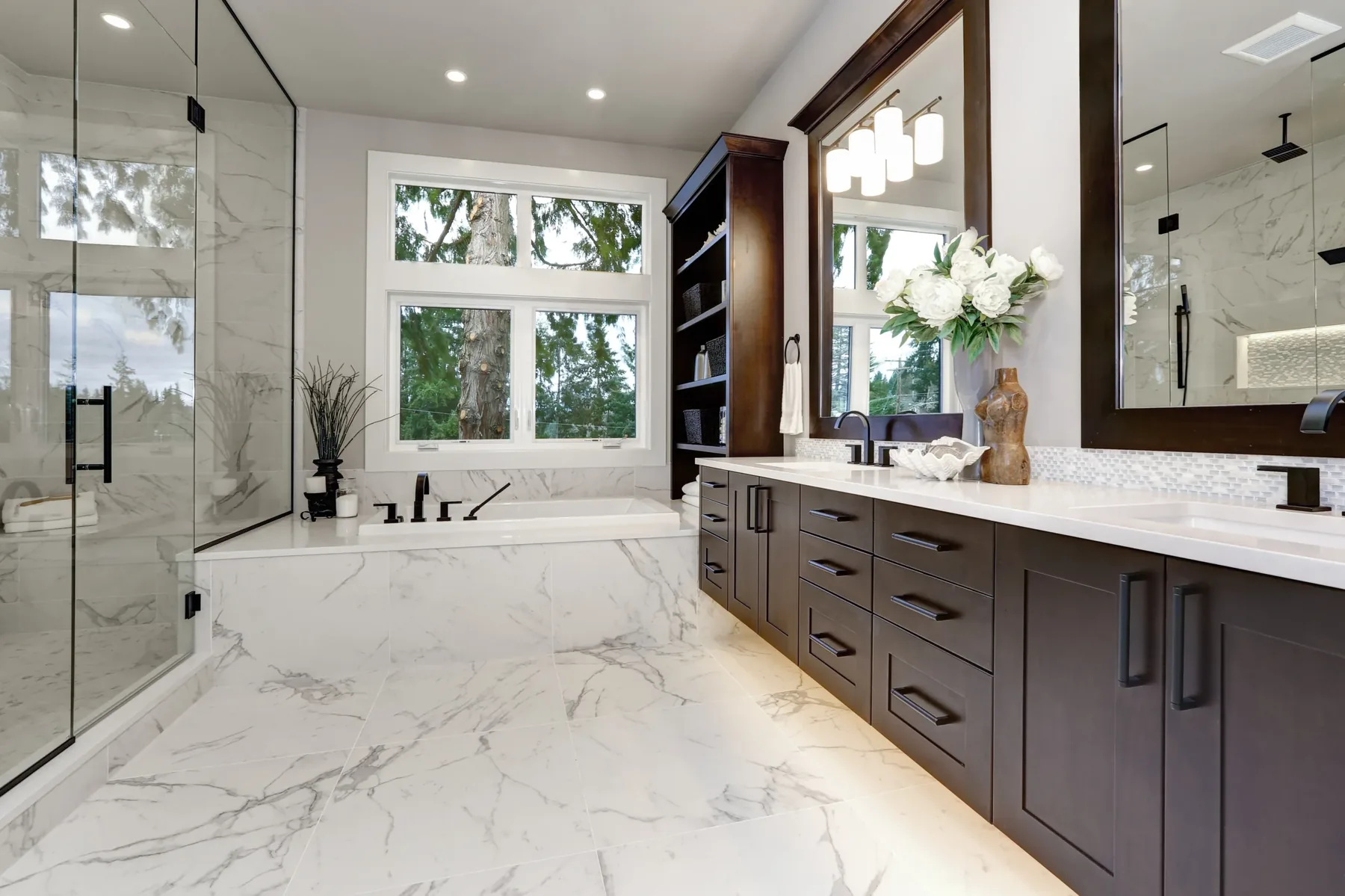
Most people associate heated tile floors with cold northern climates. But here in Southwest Florida, we've seen growing interest in electric radiant heat systems under bathroom tile, especially among seasonal residents and homeowners who want that extra comfort factor in their master bath.
For Golden Gate homeowners considering this upgrade, the question isn't just about comfort. You need to know which tile types work with radiant systems, what adhesives are required, and whether the investment makes sense in our Florida climate. Let's walk through what matters.
How Electric Radiant Heat Works Under Tile
Electric radiant floor heating uses thin heating mats or cables installed directly beneath your tile. The system connects to a thermostat, usually mounted on the wall like a light switch. When you turn it on, the mat warms the tile from below, and that heat radiates upward into the room and under your feet.
Unlike forced air systems, radiant heat doesn't blow dust or create noise. It's silent and consistent. The tile itself becomes the heat source, which is why the type of tile you choose matters so much. Some materials conduct and retain heat better than others.
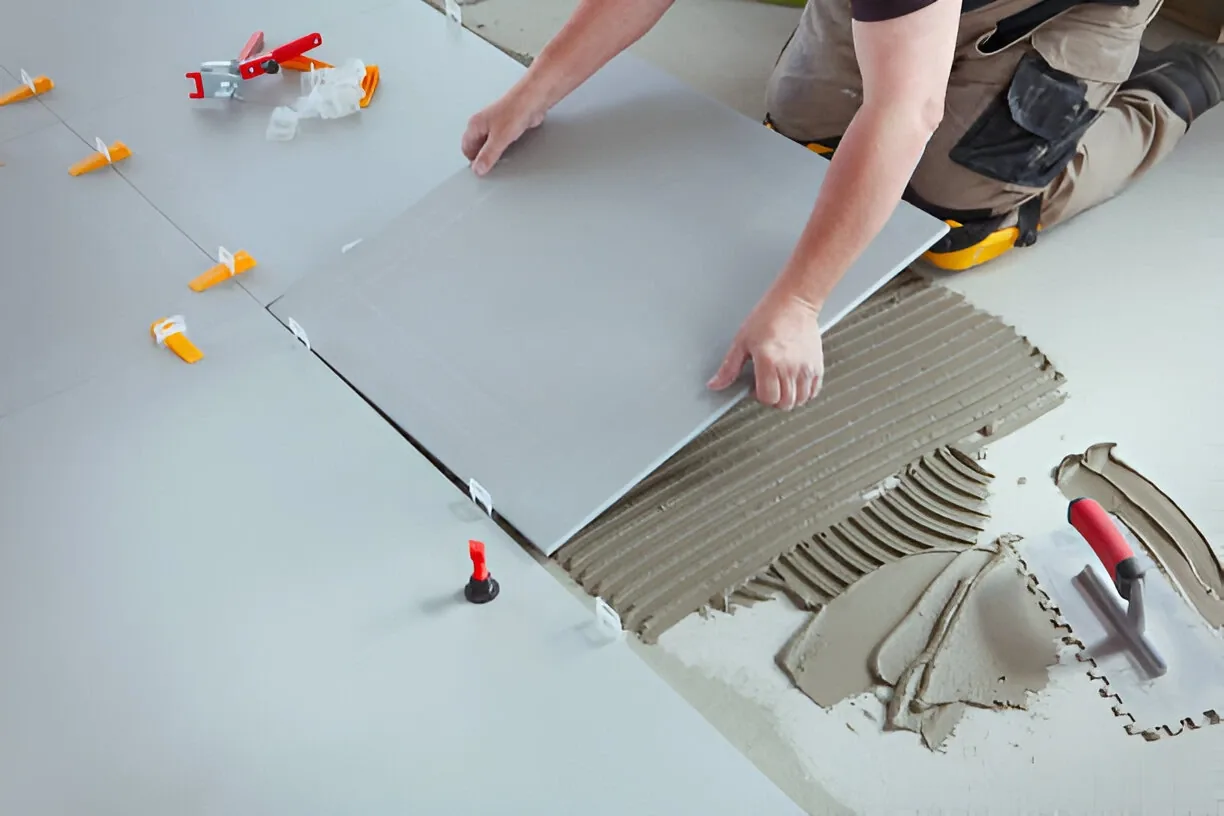
Installation happens during a bathroom remodel before the tile goes down. The heating mat rolls out over the subfloor or cement board, thinset adhesive covers the mat, and then tile is set on top. A licensed electrician handles the electrical connection to your home's power and thermostat.
Tile Types That Work With Radiant Systems
Not all tile plays nice with radiant heat. The best options share two traits: they conduct heat well and they don't expand or contract dramatically with temperature changes.
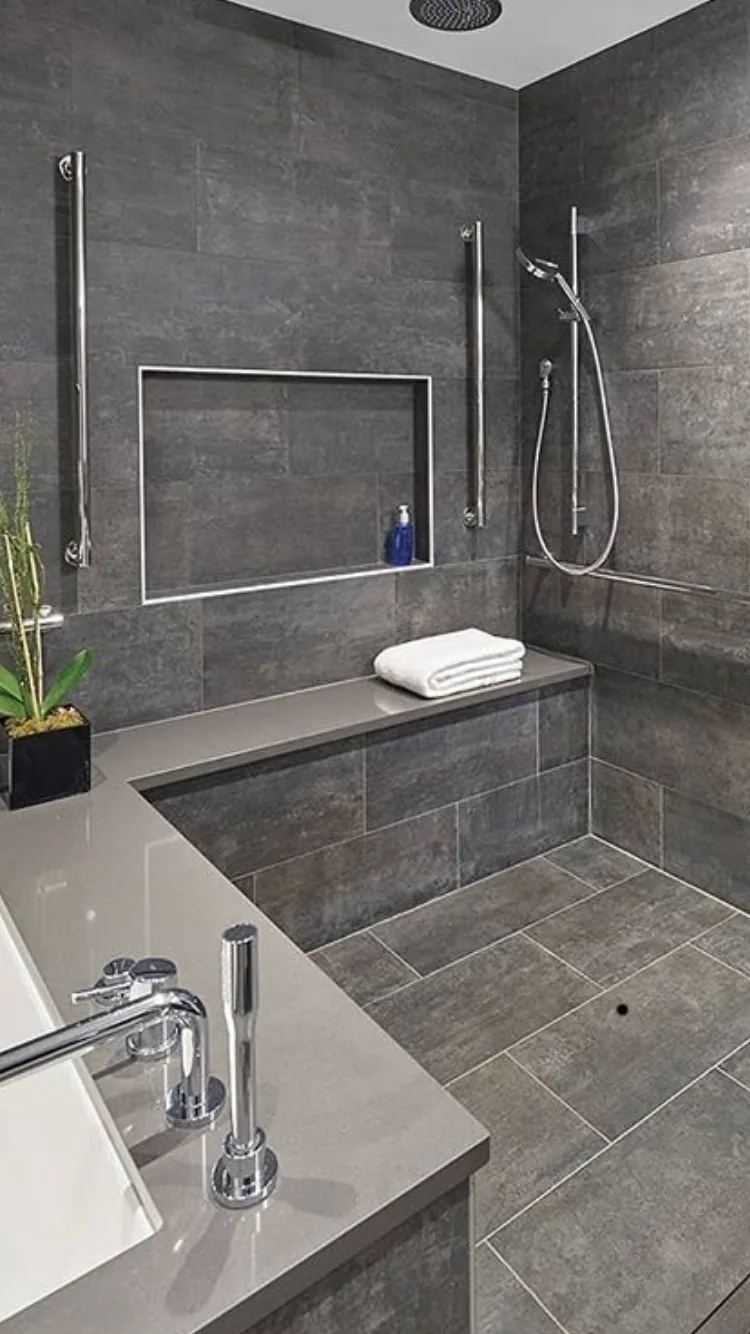
Porcelain tile is the top choice for heated floors in Southwest Florida. It's dense, has low water absorption, and conducts heat efficiently. Porcelain also handles the temperature cycling without cracking. Many porcelain tiles mimic the look of natural stone or marble while offering better stability under heat.
Ceramic tile works too, though it's slightly less dense than porcelain. Quality ceramic tile rated for floor use will perform well with radiant systems. Just make sure it's rated for floor installation, not wall-only use.
Natural stone like marble, travertine, or slate can work, but there are caveats. Stone is porous and expands more than porcelain with heat. You need to verify the specific stone is rated for radiant heat applications. Some stones are too soft or too prone to thermal shock. If you're set on stone, work with a licensed tile contractor who has experience with heated floors and can recommend appropriate materials.
Avoid using tile not rated for floor use, and skip materials like vinyl or laminate that sit on top of subfloors. Those aren't compatible with under-tile heating systems.
Adhesives and Installation Considerations
The adhesive you use under heated tile floors isn't standard thinset. You need a polymer-modified thinset mortar rated for radiant heat applications. These adhesives remain flexible after curing, which allows them to handle the expansion and contraction cycles without cracking or losing bond.
Many major adhesive manufacturers make products specifically labeled for use with radiant heating systems. Your installer should be using one of these. Standard unmodified thinset can become brittle with repeated heating cycles, which risks tile failure down the road.
Another critical factor is the substrate. The floor needs to be flat and stable before the heating mat goes down. Any movement in the subfloor transfers up through the system and can crack tile or damage the heating element. In older Golden Gate homes, this sometimes means adding a cement backer board or self-leveling compound before installation.
Waterproofing is another consideration, especially in bathrooms. If you're doing a shower area or wet room, the waterproofing layer typically goes beneath the heating mat in floor applications. This protects the electrical components from moisture. Never skip waterproofing in wet areas just to accommodate heating elements.
When Heated Tile Floors Make Sense in Southwest Florida
Florida doesn't have freezing winters, but there are still scenarios where heated bathroom floors add real value.
Seasonal residents are one group that benefits. If you spend winters here and summers up north, you're used to heated floors. Having that same comfort in your SWFL home makes the transition easier and adds luxury to your morning routine during our cooler months.
Luxury bathroom remodels often include heated floors as a premium feature. If you're already investing in a high-end bathroom renovation with custom tile, a freestanding tub, and upgraded fixtures, radiant heat fits the package. It's the kind of detail that elevates the whole space.
Older adults or anyone with circulation issues may find heated floors genuinely helpful. Warm floors are easier on joints and improve comfort for people who struggle with cold sensitivity. This is a practical consideration, not just a luxury one.
Master bathrooms are the most common location. You're typically in there morning and evening, which are the coolest parts of the day even in Florida. A heated floor feels good stepping out of the shower, and you can program the thermostat to warm up before you wake.
That said, heated floors aren't necessary for every Golden Gate bathroom. If you're remodeling a guest bath or kids' bathroom, the cost may not justify the occasional use. Focus your budget on waterproofing and quality installation first, then add heat if it fits.
Energy Use and Operating Costs
Electric radiant heat does use electricity, but modern systems are more efficient than many homeowners expect. The heating mats are zoned, meaning you only heat the bathroom floor, not the whole house. Most systems use between 10 to 15 watts per square foot.
A typical master bathroom might have 50 to 80 square feet of heated floor. Running that for a few hours in the morning during winter months adds to your electric bill, but it's not the same as running central heat. Many homeowners use a programmable thermostat to warm the floor for an hour before they wake, then turn it off during the day.
In Southwest Florida, you'll likely use heated floors only during our cooler months, roughly December through February. Some years you might barely turn them on. This seasonal use keeps operating costs lower than in northern climates where heat runs all winter.
Working With a Licensed Tile Contractor
Installing tile over radiant heat isn't a DIY project. The electrical work requires a licensed electrician, and the tile installation needs someone who understands how heating systems interact with tile, adhesive, and substrate.
A licensed tile contractor experienced with radiant systems will know which adhesives to use, how to protect the heating elements during installation, and how to test the system before and after tile goes down. They'll also coordinate with your electrician to ensure the thermostat is wired correctly and the system is grounded properly.
Before starting, ask your contractor about their experience with heated floors. Request references if possible. This is a specialty application, and you want someone who's done it before rather than learning on your project.
The Bottom Line
Tile over radiant heat works well in Golden Gate bathrooms when you choose the right materials and installer. Porcelain tile is your safest bet. Polymer-modified adhesive rated for radiant systems is non-negotiable. And the investment makes the most sense for master bathrooms, luxury remodels, or homeowners who value that extra comfort during our cooler months.
If you're planning a bathroom remodel and want to explore whether heated floors fit your project, reach out to our team. We've installed tile over radiant systems across Southwest Florida and can walk you through the options for your specific space.