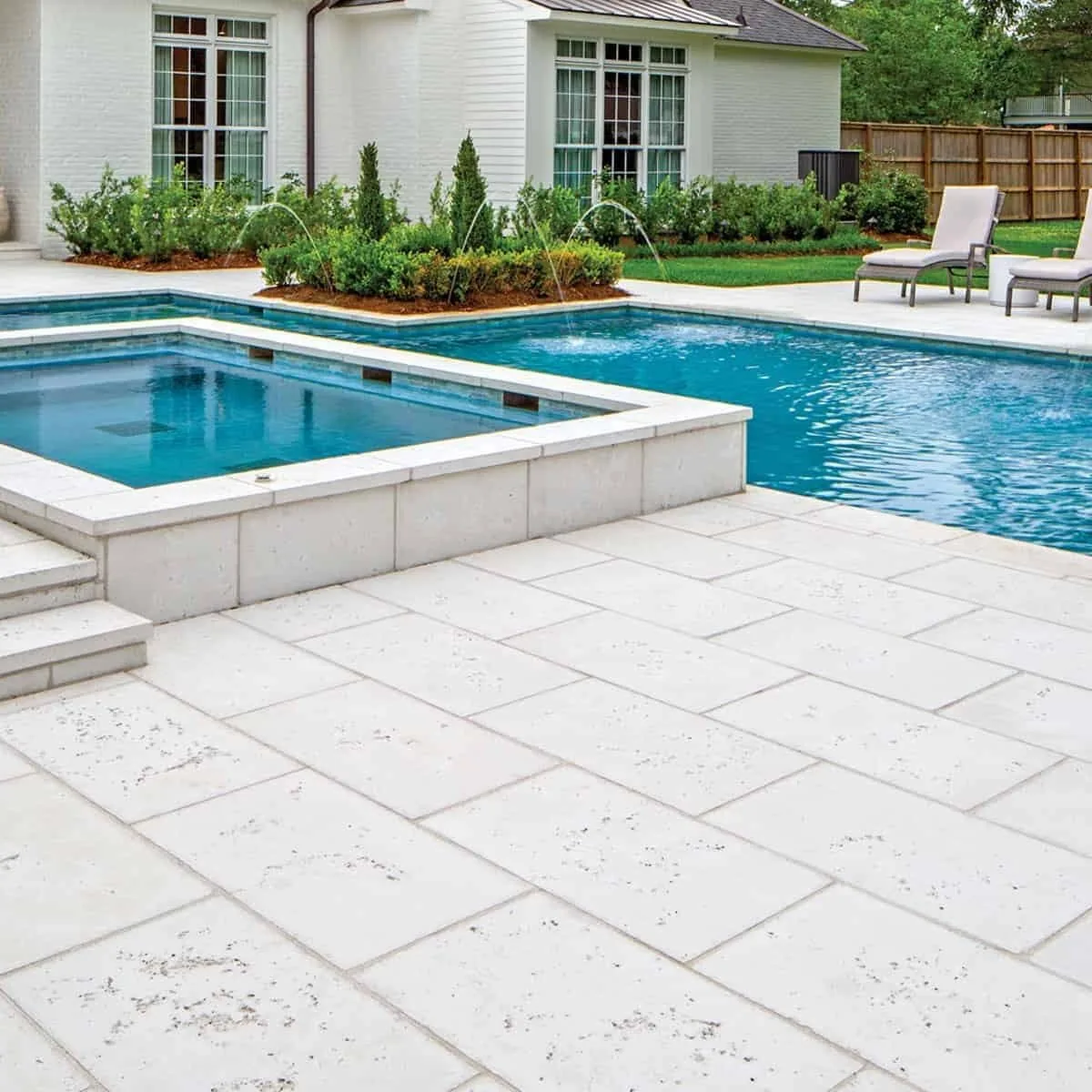
Choosing Tile for Your Marco Island Outdoor Kitchen Countertop
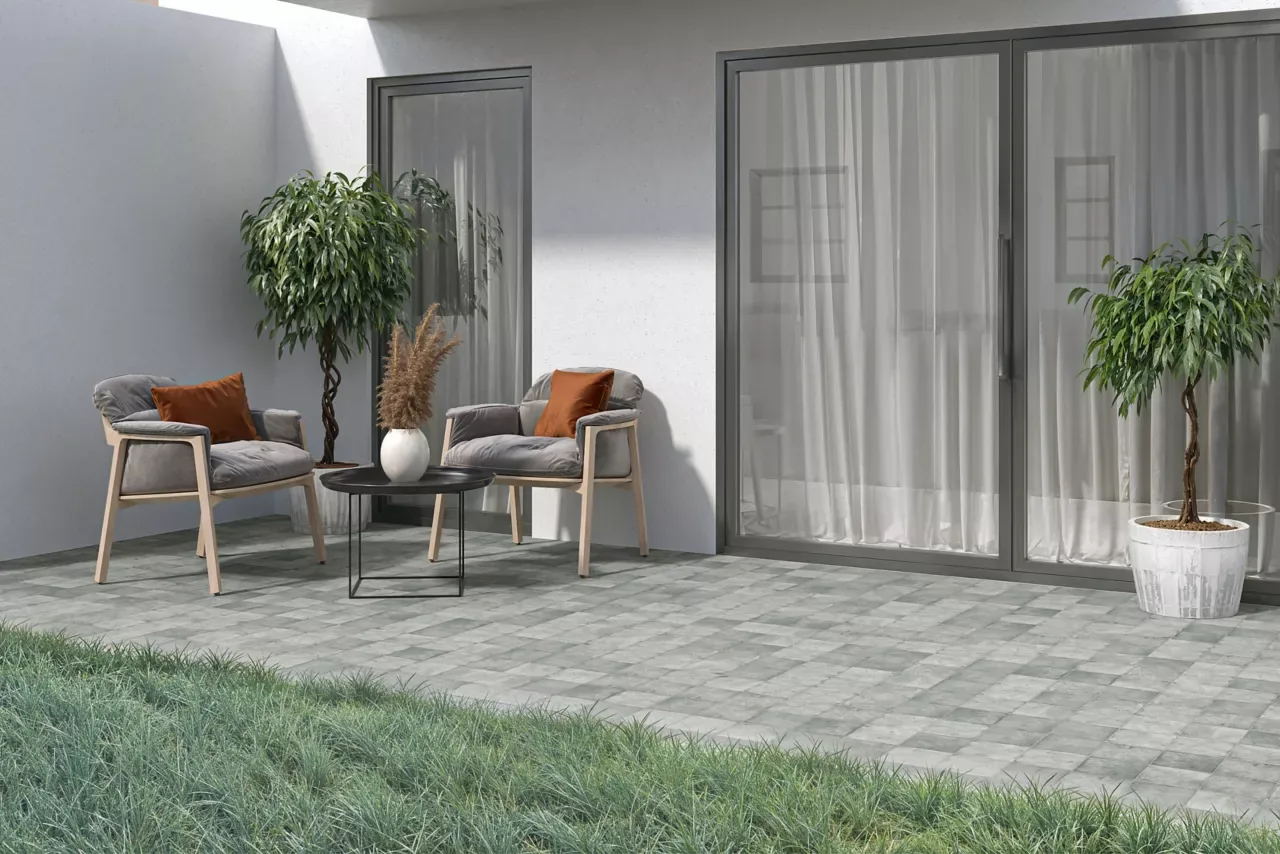
If you own a home on Marco Island, you know outdoor living is not optional, it is essential. Your lanai or covered outdoor kitchen is where you cook, entertain, and watch the sunset over the water. But that same waterfront lifestyle brings hard conditions for any surface: constant salt air, intense UV exposure, high humidity, and frequent rain. When you are selecting tile for an outdoor kitchen countertop here, you need material that can handle all of that without fading, staining, or delaminating.
We have installed outdoor kitchen tile across Southwest Florida for years, and Marco Island properties present some of the toughest conditions we see. The combination of sea breeze, direct sun, and occasional storm exposure means not every tile that works indoors will hold up outside. This guide walks through the three main options we recommend for island outdoor kitchens: standard porcelain, quartzite-look porcelain, and stoneware. Each has strengths and trade-offs depending on your design goals and how much maintenance you want to take on.
Why Marco Island Outdoor Kitchens Need Different Tile
Indoor kitchen countertops deal with spills, heat, and daily wear. Outdoor countertops deal with all of that plus environmental stress that never stops. Salt air is corrosive over time. UV radiation breaks down resins and pigments in some materials. Humidity here regularly exceeds 70 percent, and during hurricane season it can stay near saturation for days. Water sits on surfaces longer because shade and covered lanais slow evaporation.
For outdoor kitchen countertops on Marco Island, your tile needs to check these boxes:
- Non-porous surface that resists salt penetration and staining
- UV-stable pigments that will not fade in direct sun
- Thermal stability to handle hot pans and cold rain without cracking
- Slip resistance when wet, since outdoor counters get splashed constantly
- Grout that can handle constant moisture without mildew or crumbling
If you are planning a larger outdoor remodel, reviewing outdoor tile options for Marco Island properties can help you match your countertop choice to your pool deck or lanai flooring.
Porcelain Tile for Outdoor Kitchen Countertops
Porcelain tile is our most common recommendation for outdoor kitchen countertops in Southwest Florida. It is fired at extremely high temperatures, which creates a dense, glass-like surface that barely absorbs water. Quality outdoor-rated porcelain typically has water absorption below 0.5 percent, which means salt water, citrus juice, wine, and grease sit on the surface rather than soaking in.
Through-body porcelain is especially well-suited for Marco Island outdoor kitchens. The color and pattern run through the entire thickness of the tile, not just a printed glaze on top. If you do chip or scratch it, the damage is far less noticeable than with surface-printed tile. Many homeowners here choose through-body porcelain in concrete-look or stone-look styles that hide everyday wear well.
Porcelain handles UV exposure without fading because the pigments are baked into the clay body during firing. It also resists thermal shock, so setting a hot grill pan directly on the surface will not cause cracking. For slip resistance, look for porcelain rated R10 or higher for outdoor wet areas. Some manufacturers offer textured finishes that provide grip without being rough on your hands or difficult to clean.
The main limitation with porcelain is edge treatment. Since porcelain tiles are typically 2cm or 3cm thick, you will need a mitered edge or a matching bullnose to create a finished countertop look. A skilled installer can miter the edges at 45 degrees to create the appearance of a thicker slab. This is not a DIY-friendly detail, so work with a licensed tile contractor in Marco Island who has experience with outdoor countertop fabrication.
Quartzite-Look Porcelain: The Premium Option
Quartzite-look porcelain has become popular for Marco Island outdoor kitchens because it delivers the visual appeal of natural stone without the maintenance headaches. Modern digital printing can replicate the veining and color variation of real quartzite so closely that most people cannot tell the difference from three feet away. But unlike natural quartzite, porcelain versions remain non-porous and do not require sealing.
Real quartzite is a beautiful natural stone, but it is porous and needs regular sealing to resist stains. In a coastal environment like Marco Island, that sealing schedule becomes critical. Salt air and humidity can compromise the sealer faster than in inland homes. With quartzite-look porcelain, you get the high-end aesthetic without the ongoing maintenance. The surface resists salt staining, citrus etching, and UV fading.
These tiles often come in larger formats, which means fewer grout lines on your countertop surface. Fewer grout lines translate to less area where mildew can develop and less surface to clean after cooking. Many quartzite-look porcelain options are available in 3cm thickness, which eliminates the need for mitered edges and creates a more substantial countertop profile.
The trade-off is cost and availability. Quartzite-look porcelain tends to be priced higher than standard outdoor porcelain, and not every supplier keeps it in stock year-round. Lead times can extend during peak remodeling season. If you are working with a timeline, confirm availability before finalizing your selection. For homeowners doing a full outdoor space upgrade, coordinating your countertop with pool deck remodeling in Marco Island can create a cohesive look across your entire lanai.
Stoneware Tile: The Traditional Choice
Stoneware tile occupies a middle ground between porcelain and natural stone. It is denser than ceramic but not quite as impervious as porcelain. Some homeowners prefer stoneware for its softer, more matte appearance that feels less industrial than high-gloss porcelain. It can work for outdoor kitchen countertops on Marco Island, but with important caveats.
Stoneware absorbs more water than porcelain, typically in the 3 to 6 percent range. In a covered lanai with good airflow, this may not cause problems. But in a shaded corner where water sits, or during weeks of daily rain, stoneware can develop dark spots or mildew in the grout lines. Salt air can also penetrate unsealed stoneware over time, leading to efflorescence or surface degradation.
If you choose stoneware for your outdoor countertop, insist on a high-quality penetrating sealer and commit to resealing annually. Even with sealing, stoneware requires more vigilance than porcelain. Wipe down the surface after use, do not let standing water sit overnight, and inspect grout lines regularly for softening or discoloration.
Stoneware works best for Marco Island homeowners who prioritize aesthetics over low maintenance and who will stay on top of sealing schedules. For seasonal residents who leave their homes closed up for months at a time, porcelain is the safer choice because it tolerates neglect better.
Grout and Installation Considerations
The tile itself is only half the equation. Grout selection and installation quality determine how long your outdoor kitchen countertop lasts in Southwest Florida conditions. Standard cement-based grout is porous and will absorb moisture, salt, and stains. For outdoor countertops, we strongly recommend epoxy grout or high-performance polymer grout.
Epoxy grout is nearly impervious to water and resists staining from food, wine, and sunscreen. It does not need sealing and will not support mildew growth if cleaned regularly. The downside is that epoxy grout is more difficult to install and requires an experienced hand. It sets faster than cement grout, and cleanup must happen within a narrow window. This is not a place to save money on labor.
Proper slope is critical for outdoor countertops. Even under a covered lanai, wind-driven rain and splash from sinks or ice makers will wet the surface. Your installer should build a slight slope toward the front edge or toward a drain if one is present. Standing water on any horizontal surface will eventually cause problems, no matter how good your tile is.
Backer board selection matters too. For outdoor countertops, use cement backer board or a specialized outdoor-rated substrate. Regular drywall or indoor backer board will fail quickly when exposed to humidity and occasional water intrusion. If your outdoor kitchen includes plumbing or electrical, those rough-ins should be complete and pressure-tested before tile installation begins.
The Bottom Line
For most Marco Island outdoor kitchens, porcelain tile offers the best balance of durability, appearance, and low maintenance. Through-body porcelain in a textured finish handles salt air, UV, and daily use without fading or staining. Quartzite-look porcelain is worth the upgrade if you want a high-end stone aesthetic without sealing requirements. Stoneware can work if you accept the maintenance commitment and stay diligent about sealing.
The key is matching your material choice to how you actually use your outdoor space and how much upkeep you will realistically perform. If you would rather spend your weekends on the water than resealing grout, invest in porcelain and epoxy grout from the start. If you are planning a larger project that includes your bathroom or kitchen indoors, we also handle kitchen remodeling in Marco Island and can coordinate materials across your entire home.
Every outdoor kitchen is different, and the best choice depends on your specific location, exposure, and usage patterns. If you want a second opinion on your tile selection, call Dynasty Tile at (239) 265-2814. We are a licensed tile contractor based in Fort Myers, serving Southwest Florida since 2016. We offer free, no-obligation estimates and can help you choose tile that looks great and lasts through many seasons of island living.