Choosing Tile for Your Marco Island Outdoor Living Room
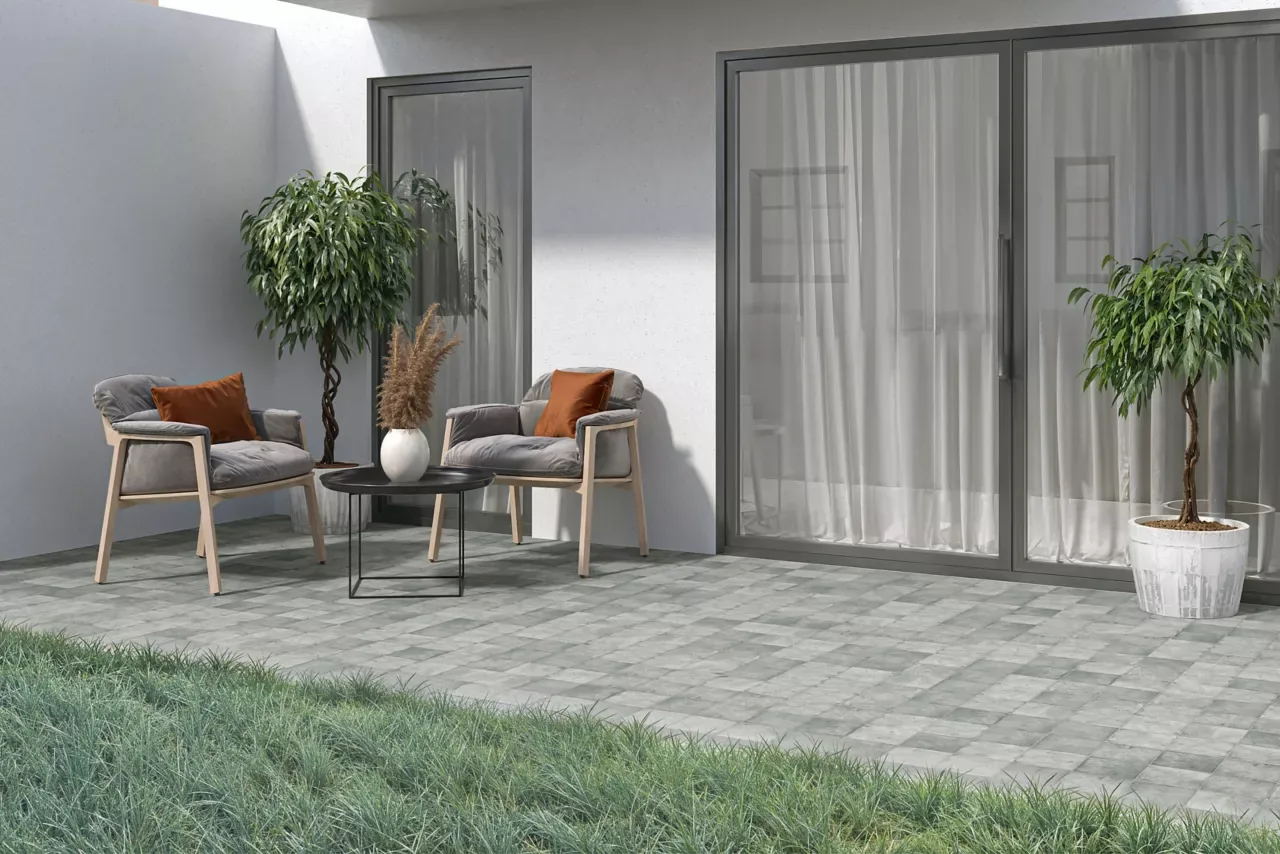
If you own a home on Marco Island, you know that outdoor living is not just a luxury, it is a way of life. Your lanai or covered patio is where you drink morning coffee, host evening gatherings and watch those famous Gulf Coast sunsets. But choosing the right tile for this space requires more than picking a color you like.
The Southwest Florida environment throws a lot at your outdoor surfaces. Salt air from the Gulf, intense UV exposure, afternoon thunderstorms during wet season and the constant humidity all work together to break down inferior materials. We have seen tile fail on lanais here because homeowners did not know what to look for before installation.
Why Marco Island Outdoor Spaces Are Different
Outdoor living rooms on Marco Island face conditions that indoor floors never encounter. The combination of salt air and high humidity creates a corrosive environment that eats away at certain materials. Even covered outdoor tile Florida homeowners install can degrade if the wrong product was chosen.
During hurricane season from June through November, your outdoor space takes on extra moisture and wind-driven rain. Seasonal residents who close up their homes for months at a time create another challenge, as tile and grout sit in stagnant humid air without climate control. These factors narrow down which materials will perform long term.
Porcelain Tile Is the Top Choice for Outdoor Patio Tile in Salt Air
When it comes to outdoor patio tile salt air resistance, porcelain stands above other options. Porcelain tile is fired at extremely high temperatures, creating a dense material with water absorption rates below 0.5 percent. This density means salt cannot penetrate the tile body and cause spalling or deterioration.
Look for porcelain rated for outdoor use with a slip resistance rating of at least 0.60 when wet. Many homeowners make the mistake of choosing indoor porcelain for their lanai, only to find it becomes dangerously slick after a rain shower. Outdoor porcelain has a textured surface that provides traction even when wet from pool splashes or tropical downpours.
Large format porcelain tiles work well for Marco Island outdoor flooring tile installations because they create fewer grout lines. Fewer grout lines mean less maintenance and fewer places for moisture to penetrate. We recommend tiles at least 24 inches on the smaller dimension for a clean, modern look that also performs better over time.
What About Natural Stone
Natural stone like travertine or slate looks beautiful, but it requires more upkeep in this environment. Stone is porous and will absorb salt and moisture unless sealed regularly. If you love the look of stone, porcelain tile that mimics stone grain gives you the aesthetic without the maintenance burden. Many of our clients choose this route and stay happy with their decision years later.
Grout Selection Matters More Than You Think
Homeowners spend hours picking tile but often treat grout as an afterthought. This is a mistake. Grout is the weak point in any tile installation, especially outdoors. Standard cement grout absorbs water and salt, leading to efflorescence, staining and eventual cracking.
Epoxy grout or urethane grout should be your default choice for outdoor living room tile Marco Island installations. These polymer-based grouts do not absorb water, resist salt corrosion and will not support mold or mildew growth. Yes, they cost more upfront and require more skill to install. But they last decades longer than cement grout in our climate.
Color selection also affects performance. Darker grout shows less staining from organic debris like palm fronds or insect residue. Lighter grout looks crisp initially but requires more frequent cleaning to maintain appearance. We have installed both and can share what we have seen work in actual Marco Island conditions.
Slip Resistance Is a Safety Priority
Around pools and in covered outdoor areas that get wet, slip resistance is not optional. The Americans with Disabilities Act recommends a dynamic coefficient of friction of at least 0.42 for level interior floors. For outdoor wet areas, you want higher. Look for tile rated R10 or R11 for slip resistance.
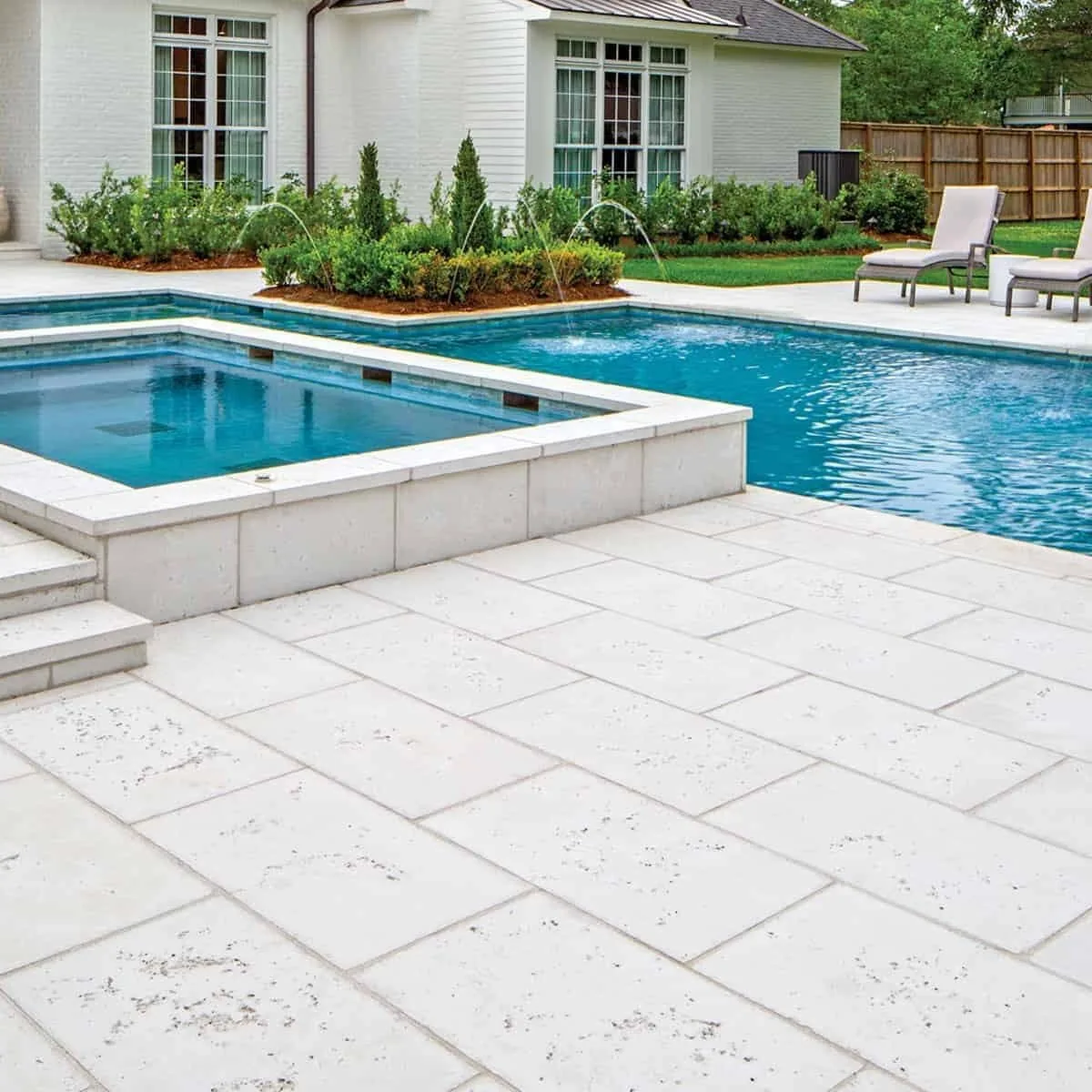
Textured porcelain pavers designed for pool decks work excellently for outdoor living rooms too. They provide grip under bare feet and wet sandals. Some homeowners worry that textured tile is hard to clean. Modern outdoor porcelain is engineered so that dirt does not embed in the texture, and routine sweeping plus occasional washing keeps it looking new.
If you are planning a pool deck remodeling at the same time as your outdoor living room, using the same tile creates visual continuity. This approach also simplifies maintenance since you are dealing with one product throughout the space.
Installation Quality Determines Longevity
Even the best tile fails if installed incorrectly. Outdoor installations require specific techniques that differ from indoor work. The substrate must slope away from the house at a minimum of one quarter inch per foot to shed water. Standing water under tile leads to bond failure and tile movement.
A proper outdoor installation includes a waterproofing membrane beneath the tile, especially for covered areas where water cannot evaporate quickly. We use mortar beds and setting materials rated for exterior use that handle thermal expansion and contraction. Marco Island temperatures swing from cool winter mornings to hot summer afternoons, and tile systems must move with these changes.
Expansion joints are critical and often overlooked. These soft joints allow the tile field to expand and contract without cracking. They should be placed at regular intervals and at any point where tile meets a different material like a pool coping or house foundation. If you are working with a tile contractor on Marco Island, ask specifically about their expansion joint plan before work begins.
Design Considerations for Outdoor Living Rooms
Beyond performance, your tile should complement your home and lifestyle. Wood look porcelain has become popular for covered lanais because it brings warmth without the rot and insect issues of real wood. Stone look porcelain offers a natural aesthetic with far less maintenance. Solid colors in neutral tones hide debris better than busy patterns.
Consider how your outdoor tile transitions to indoor flooring. Many homeowners create a seamless flow by using similar tones or continuing the same tile from inside to outside where the elevation allows. This visual connection makes the outdoor room feel like a true extension of your living space.
For homeowners also updating their outdoor tile on Marco Island in other areas, coordinating your choices creates a cohesive look around the property. Your pool deck, lanai and entry walks do not need to match exactly, but they should feel like they belong to the same home.
The Bottom Line
Choosing tile for a Marco Island outdoor living room means balancing aesthetics with the reality of our coastal environment. Porcelain tile with proper slip resistance, installed with quality epoxy or urethane grout over a correctly sloped and waterproofed substrate, will give you decades of service. Cut corners on material selection or installation quality and you will pay for it in repairs or replacement.
We have been serving Southwest Florida homeowners since 2016 and have seen what works on lanais throughout the region. If you are planning an outdoor tile project, we offer free no-obligation estimates to discuss your specific situation. You can reach us at (239) 265-2814 or explore our service areas to confirm we cover your location.