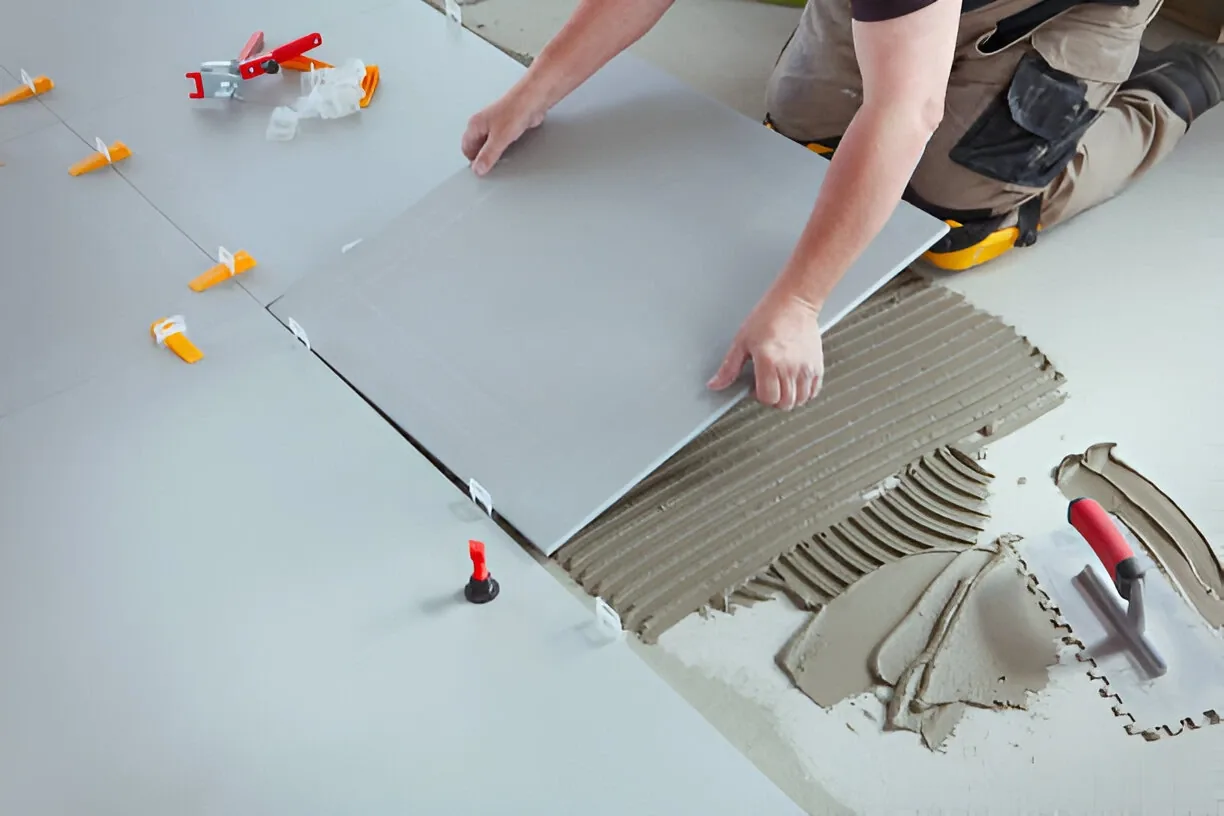
Slip-Resistant Tile for Pool Decks: What DCOF Ratings Actually Mean
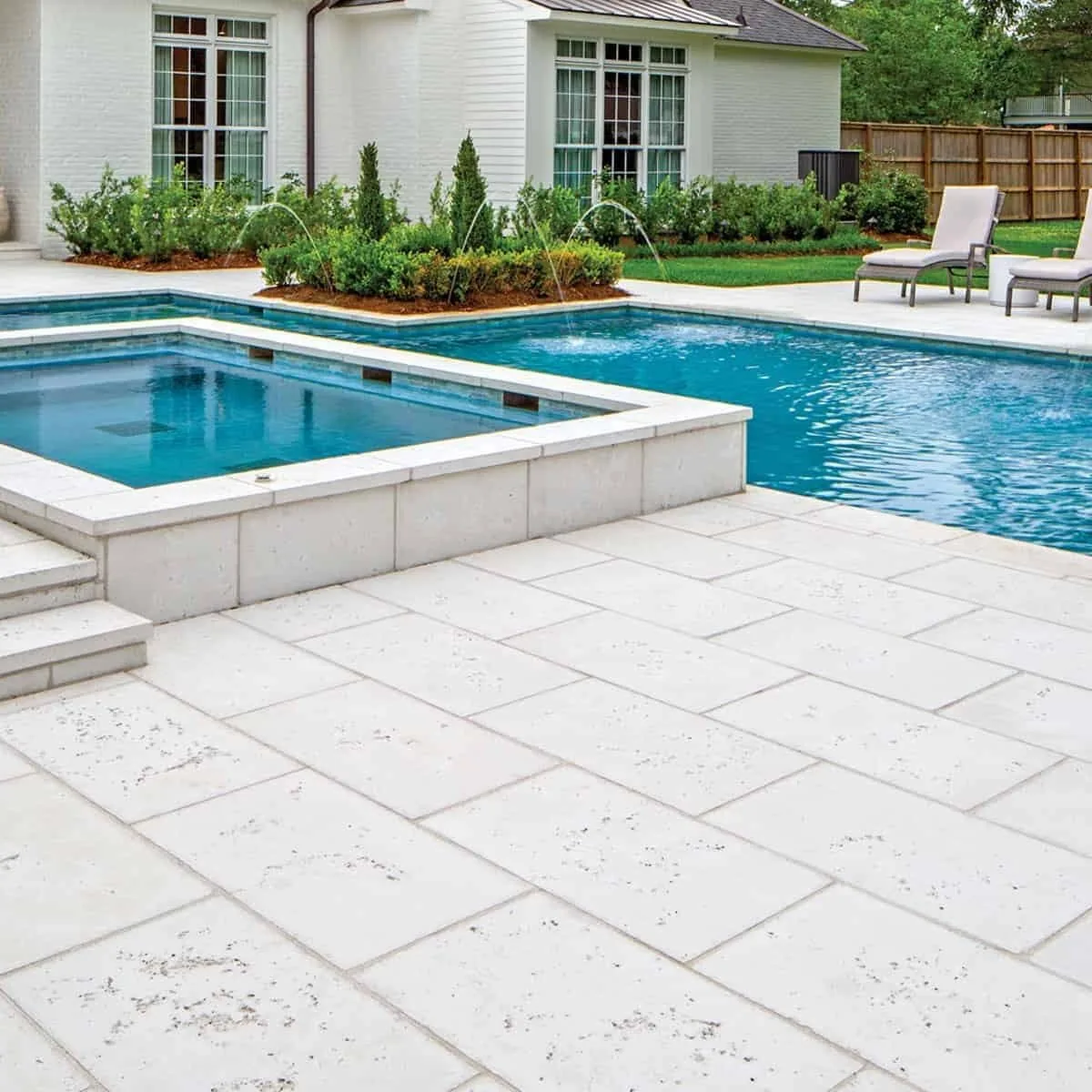
Pool decks in Cape Coral take a beating. Bare feet, splashed water, afternoon thunderstorms, and year-round sun all hit the same surface. When a homeowner asks us what tile to use around their pool, the first thing we talk about is not color or style but slip resistance, specifically a value called the Dynamic Coefficient of Friction, or DCOF. Understanding a few basics before you choose tile can save you from a surface that looks great and feels treacherous the moment it gets wet.
Foot traffic between the pool, the lanai, and the back door is constant. Getting the tile right is a safety decision as much as a design one.
What DCOF Actually Measures
DCOF stands for Dynamic Coefficient of Friction. It measures the resistance to slipping while a person is already in motion across a wet surface, which is a more realistic scenario than older static tests. The relevant standard in the United States is ANSI A326.3, and the minimum threshold for level, wet areas where you walk is a DCOF of 0.42. Anything below that rating should not be used on a wet walking surface.
A higher number means more grip. A tile rated 0.60 or above gives you meaningful safety margin for a pool deck where water is constantly pooling and people are moving quickly. For sloped surfaces that drain toward a pool or gutter, some installers push that threshold even higher. The tile manufacturer is required to publish the DCOF value; if it is not in the spec sheet, ask for it before you commit.
Why Cape Coral Conditions Push the Rating Higher
The humidity and heat here accelerate two things that reduce slip resistance over time: algae growth and mineral deposits from hard water. The water table and irrigation systems mean outdoor surfaces in Cape Coral stay damp even when it has not rained recently. A tile that barely passes 0.42 on a clean lab slab may perform noticeably worse after a season of real use.
Salt air is another factor for homes near the canals or the Gulf. Salt residue leaves a film that changes how surfaces feel underfoot and can degrade certain surface coatings that contribute to friction. For pool deck remodeling in Cape Coral, we generally recommend tile that is conservatively rated well above the minimum, not right at it.
Texture Types and How They Perform
DCOF is the number, but texture is what produces it. There are a few surface categories worth understanding:
- Through-body porcelain with a matte or brushed finish: These are the workhorses of Florida pool decks. The texture is built into the tile body, not applied as a coating, so it does not wear off. They come in large formats that look clean and contemporary and are easy to keep free of algae if sealed properly.
- Porcelain pavers with a natural stone or concrete look: Often used for larger pool deck areas. The surface relief is moderate, which gives good grip without collecting debris in deep grooves. Many of these are rated 0.55 to 0.65 or higher when wet.
- Smooth or polished tile: These belong indoors. Polished porcelain and honed marble can look stunning in a bathroom or foyer but become genuinely dangerous around pools. We see homeowners try to use leftover interior tile on a small section of deck. It is not a good idea around water.
- Heavily textured or tumbled stone: Very high grip, but the deep surface irregularities trap dirt, algae, and standing water between the grooves. In a Southwest Florida climate with organic debris from nearby landscaping, these surfaces become maintenance-intensive quickly.
For most Cape Coral pool decks, a matte or lightly textured porcelain paver in the 0.55 to 0.70 DCOF range is the right call. It holds up, cleans easily, and does not feel like sandpaper underfoot.
Placement Matters as Much as the Rating
Even a well-rated tile can become a slip hazard if it is installed in the wrong spot or with the wrong slope. Pool decks should drain away from the pool edge, typically at around a one-quarter inch drop per foot. If water ponds instead of sheeting off, even high-friction tile gets more dangerous over time because standing water promotes algae.
Grout joint width also plays a role. Wider grout joints on a textured tile help water drain and give feet micro-channels to grip. Tight-grouted large-format smooth tile near water is a combination we avoid. The grout itself should be a sanded, waterproof type rated for exterior wet areas.
At the pool coping, where people step in and out of the water, some homeowners use a different tile with heavier texture or a raised bullnose edge to mark the transition clearly. If you are planning a full outdoor tile project in Cape Coral, map out these zones before ordering materials.
Heat Absorption and Bare Feet
One thing DCOF does not measure is how hot a tile gets in July. Dark tiles absorb heat and can become painful on bare feet during peak afternoon sun. In Southwest Florida, where pools get heavy use from May through October, surface temperature is a real consideration alongside slip resistance.
Light or mid-tone tiles in whites, grays, tans, and warm beiges reflect more heat and stay comfortable underfoot. We often help homeowners balance the DCOF requirement with a color palette that keeps the deck usable throughout the day.
Asking the Right Questions Before You Buy
When you are shopping tile for a pool deck, here are the specific things to verify before committing to a product:
- What is the DCOF rating under ANSI A326.3? Get the number, not just "slip-resistant" language on the label.
- Is this tile rated for exterior wet use? Some tiles are rated for interior wet areas only.
- What is the frost rating? For most of Cape Coral this is not a concern, but if you are near the northern edge of SWFL it is worth confirming.
- What maintenance does the surface require? Some textured tiles need annual sealing; others are essentially maintenance-free.
- How does the tile expand and contract in heat? Large-format tiles on outdoor slabs need properly placed expansion joints. Ask your installer about this before work starts, not after.
Dynasty Tile has been helping Southwest Florida homeowners navigate these decisions since 2016. Reach out for a free estimate and we will walk through the options with you.
The Bottom Line
DCOF ratings give you an objective measure of slip resistance that marketing language on a tile box does not. For Cape Coral pool decks, aim well above the 0.42 minimum, choose matte or lightly textured porcelain suited to outdoor wet areas, and make sure the installation accounts for drainage and proper joint sizing. A slip-resistant surface is not just a comfort feature. Around a pool in Southwest Florida, it is the baseline for a deck that is safe for everyone who uses it. If you want a second opinion on a product you are considering or are planning a full pool deck remodel in Cape Coral, we are glad to help.