Decorative Tile Borders That Hold Up in Florida Outdoor Spaces
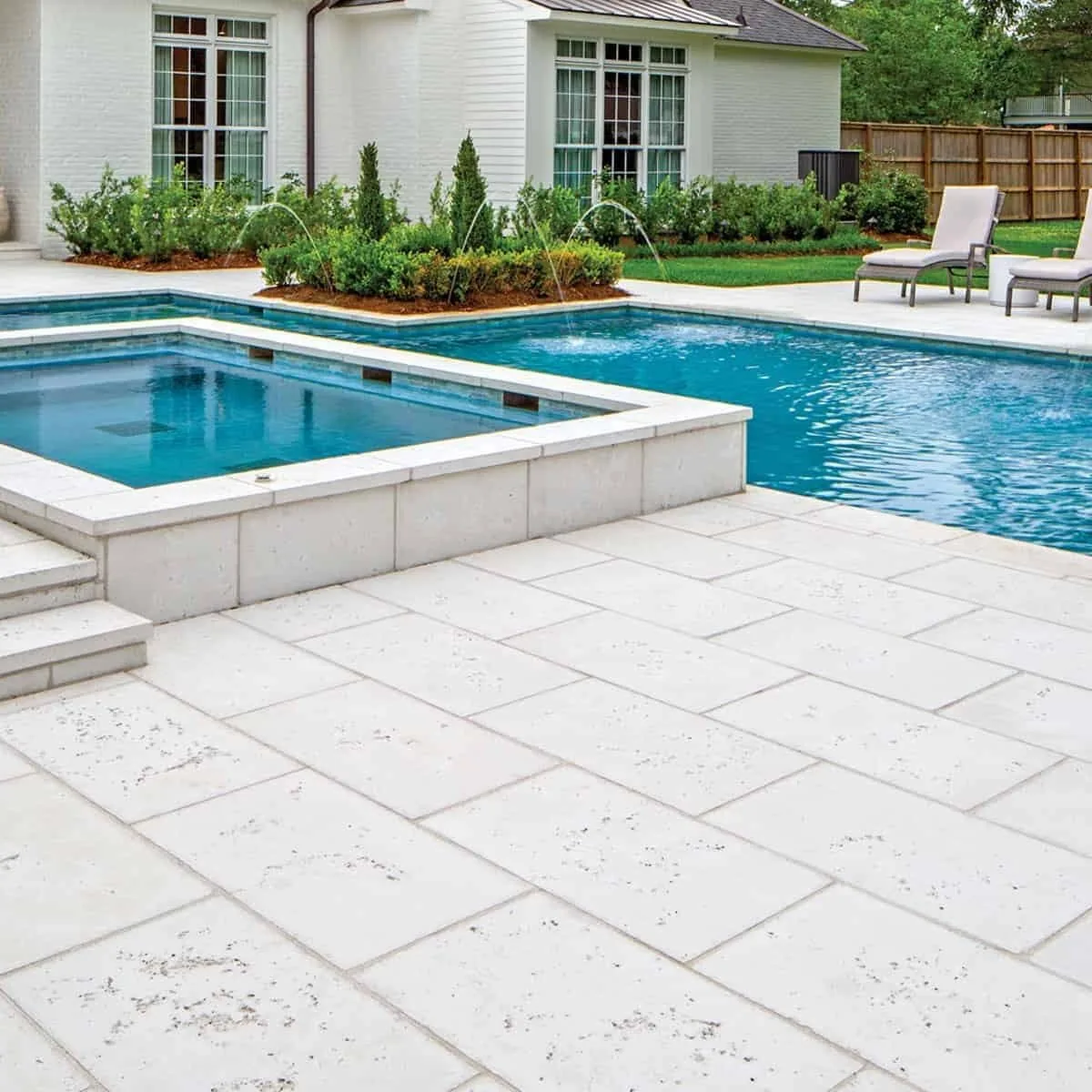
A decorative tile border can transform a plain lanai or pool deck into something that feels custom and intentional. But here in Southwest Florida, that border has to survive what most regions never throw at tile: relentless UV exposure, salt air, humidity that never drops, and the occasional tropical downpour.
Homeowners in Alva often ask us about adding visual interest to their outdoor tile without sacrificing durability. The good news is that border and inlay options exist that will hold up. The catch is that material selection and installation method matter far more outdoors than they do inside.
Why Outdoor Borders Fail Faster in Southwest Florida
Florida's outdoor environment is uniquely harsh on tile installations. The freeze-thaw cycle that destroys tile in colder climates isn't our problem. Instead, we deal with constant UV radiation that breaks down certain materials, humidity that seeps into any gap it can find, and salt air that accelerates corrosion on metal trim pieces.
We see border failures on lanais here in Alva that trace back to three common mistakes. First, using indoor-rated decorative tile outdoors where UV exposure fades colors and weakens glazes. Second, installing borders without accounting for substrate movement, which causes cracking along the border line. Third, choosing metal trim pieces that corrode in salt air, leaving rust stains that spread into surrounding tile.
The substrate itself matters too. Many Southwest Florida homes sit on concrete slabs that expand and contract with temperature swings. A border installed rigidly across an expansion joint will crack within a year. Proper outdoor tile design accounts for this movement from the start.
Border Materials That Actually Last Outdoors
Porcelain is the only material we recommend for decorative borders in Florida outdoor spaces. Unlike ceramic, porcelain is fired at higher temperatures and has water absorption below 0.5 percent. That density means humidity won't penetrate, freeze damage isn't a concern, and UV exposure won't fade through-body color.
For border profiles, you have three solid options. Full-body porcelain borders have color and pattern running through the entire thickness, so wear and UV exposure won't change their appearance. Glazed porcelain borders work too, but only if the glaze is rated for outdoor use and the tile carries a PEI rating of 4 or higher. Natural stone borders like travertine or granite can work, but they require sealing and more maintenance than most homeowners want outdoors.
Avoid these materials for outdoor borders in Alva outdoor tile design. Ceramic tile, no matter how pretty the pattern, absorbs too much moisture. Metal trim pieces, unless they're marine-grade stainless steel or aluminum, will corrode. Glass tile borders look stunning but the adhesive and grout around them become failure points in humid conditions.
Inlay Options for Pool Decks and Lanais
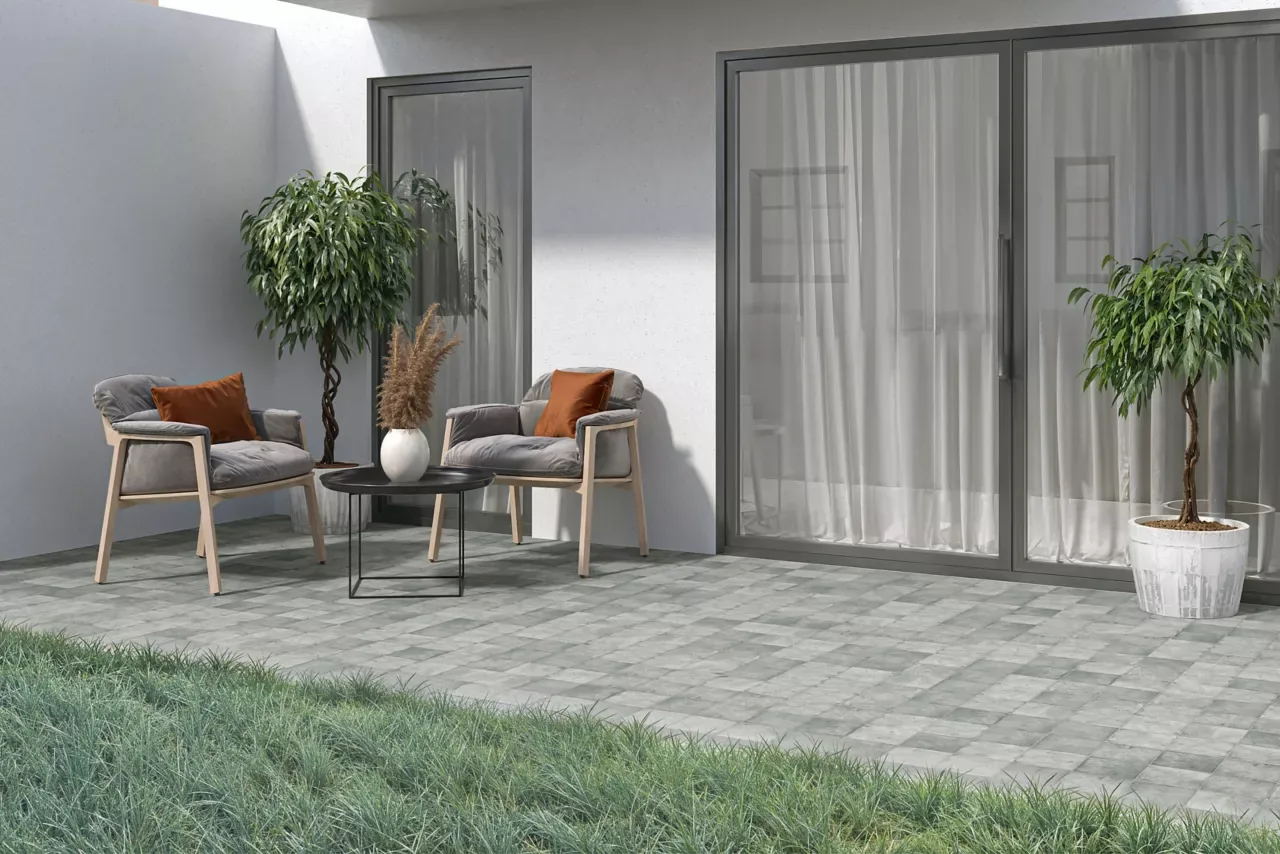
Inlays differ from borders in that they sit within a field of tile rather than framing an edge. Common inlay patterns for outdoor tile inlay ideas include medallions at the center of a patio, linear accents that define seating areas, or geometric patterns that break up large expanses of field tile.
The same material rules apply. Porcelain inlays rated for outdoor use will perform reliably. Many manufacturers now offer porcelain inlay systems designed specifically for pool deck applications, with matching field tiles and borders that lock together visually.
Installation Details That Prevent Failure
The substrate preparation for outdoor tile border installation outdoor patio applications differs significantly from indoor work. Your concrete slab needs to be sound, clean, and properly sloped for drainage before any tile touches it. Any existing cracks should be addressed with appropriate crack isolation membrane.
Expansion joints are non-negotiable in Southwest Florida outdoor installations. The rule of thumb is an expansion joint every 20 to 25 feet in each direction, plus wherever the slab abuts a structure like your house or pool wall. A decorative border running across an expansion joint needs a soft joint at that location, typically filled with color-matched sealant rather than grout.
Thin-set mortar selection matters more outdoors than many realize. Use a polymer-modified thin-set rated for exterior applications and appropriate for your substrate. For porcelain borders over concrete slabs, a medium-bed mortar gives you better coverage and helps prevent voids that trap moisture.
Grout selection ties everything together. Epoxy grout resists staining and moisture penetration far better than cementitious grout, making it worth the extra cost for outdoor borders where water sits. If you use cementitious grout, apply a quality penetrating sealer after full cure and reapply annually.
Design Considerations Specific to Alva and Southwest Florida
Home styles in Alva range from older Florida ranch homes to newer construction built after recent hurricanes. Many properties have screened lanais that function as outdoor living rooms, while others feature open pool decks exposed to full sun. Your border choice should account for how much direct UV exposure the area receives.
Lighter colored borders show less heat absorption and stay cooler underfoot, which matters when you're walking barefoot to the pool. Dark borders can reach temperatures that are uncomfortable or even unsafe during summer afternoons. If you love the look of a dark border, consider using it in shaded lanai areas rather than full-sun pool decks.
For seasonal residents who close their homes during summer, border installations need to account for extended periods without climate control. Humidity builds up inside screened spaces, and materials that seemed stable during winter months can shift when conditions change. This is another reason porcelain outperforms natural stone or ceramic in our climate.
When planning your outdoor tile design, think about how the border relates to your home's architecture. A border that complements your roofline, window trim, or exterior paint colors creates cohesion between indoor and outdoor spaces. Many homeowners in Southwest Florida extend interior design elements outward through carefully chosen border patterns.
When to Call a Professional
Border and inlay work requires more precision than laying field tile. Cuts must be exact, corners must meet cleanly, and the substrate must be properly prepared before installation begins. For homeowners considering DIY outdoor tile border installation outdoor patio projects, we recommend starting with small areas and understanding that waterproofing and substrate preparation are not areas to cut corners.
Anything involving a pool deck, lanai with roof drainage, or tile that abuts your home's foundation should be installed by a licensed tile contractor. Water management in these applications affects not just the tile but your home's structure. A professional installer understands how to integrate tile borders with existing waterproofing systems and expansion joint requirements.
If you're planning a larger outdoor remodeling project, working with a pool deck remodeling specialist ensures that borders and inlays integrate properly with drainage, coping, and any adjacent structures. For lanai conversions or covered outdoor living spaces, a outdoor tile expert can help you select materials that perform well in your specific exposure conditions.
The Bottom Line
Decorative tile borders add visual interest and custom appeal to outdoor spaces throughout Southwest Florida, but only when you select materials rated for exterior use and install them with proper attention to substrate preparation and expansion joints. Porcelain borders and inlays offer the best combination of durability and design flexibility for Alva's climate.
The investment in proper materials and installation pays off in longevity. A border that lasts fifteen years without fading, cracking, or staining delivers far more value than one that needs replacement after three Florida summers. When done correctly, decorative borders elevate your outdoor living space while standing up to everything our climate throws at them.
Dynasty Tile has served Southwest Florida homeowners since 2016 as a licensed tile contractor based in Fort Myers. We offer free, no-obligation estimates for outdoor tile projects throughout the region. Reach us at (239) 265-2814 to discuss your border and inlay options.