Designing a Pet-Friendly Tile Floor for Your Cape Coral Home
If you share your Cape Coral home with a large dog, you know the toll paws, claws, and wet fur can take on flooring. Florida humidity means dogs track in moisture from the lanai, pool deck, or yard. Sand from the beach sticks to damp paws. And if your dog loves to sprint across the floor after a bath, you need a surface that stays safe underfoot even when wet.
Tile is one of the most practical choices for pet owners in Southwest Florida. It does not trap odors, it rinses clean, and it will not warp from spills or accidents. But not all tile works equally well for homes with large, active dogs. The right surface texture, grout color, and tile format can make daily life easier for you and safer for your pet.
Why Texture Matters More Than You Think
Slip resistance is the first thing we ask pet owners to consider. A glossy, polished tile might look elegant in a showroom, but it becomes a hazard when your dog runs through with wet paws. We see this a lot in lanais here, where morning dew or a quick rinse leaves the floor damp.
Look for tile with a matte or textured finish. Porcelain pavers rated for outdoor use often have just enough grip to keep dogs steady without being rough on their pads. Many manufacturers rate slip resistance using the DCOF (Dynamic Coefficient of Friction) scale. For areas where water is common, aim for a DCOF of 0.42 or higher. This is especially important in entryways, mudrooms, and any space your dog accesses directly from the yard or pool area.
Some homeowners worry that textured tile will be hard to clean. In practice, a light texture actually helps hide scratches and scuffs that show up quickly on smooth surfaces. A quick mop or rinse takes care of dirt without needing aggressive scrubbing.
Scratch Resistance and Tile Hardness
Large dogs can leave marks on softer flooring materials. Tile, especially porcelain, is fired at high temperatures and is far more resistant to claw marks than vinyl, laminate, or even some natural stone. Porcelain tile is denser and less porous than ceramic, making it the better choice for homes with dogs that run, play, or have sharp nails.
When shopping, ask about the PEI (Porcelain Enamel Institute) rating. This measures how resistant the tile surface is to abrasion. For pet-friendly flooring in Florida, look for a PEI rating of 4 or 5. These tiles handle heavy foot traffic and active pets without showing wear patterns over time.
Avoid soft natural stones like marble or limestone in high-traffic pet zones. They can etch from acidic accidents and scratch more easily. If you love the look of stone, choose a porcelain tile that mimics marble or travertine without the maintenance headaches.
Grout Color That Hides Dirt and Stains
Grout color is one of the most overlooked decisions for pet owners. Light grout shows everything, from sandy paw prints to mud streaks. Dark grout can show salt residue and light-colored pet hair. For most Cape Coral homes with dogs, a mid-tone gray or warm taupe grout strikes the best balance.
Equally important is grout type. Standard cement grout is porous and can absorb odors or stains from accidents over time. We recommend epoxy or urethane grout for pet households. These grouts are non-porous, resist staining, and do not trap smells. They cost more upfront but save on deep cleaning and regrouting down the road.
Wider grout lines also help. Large-format tile with minimal grout looks sleek, but narrower grout lines can be harder to keep clean if accidents happen. A 1/8-inch or 3/16-inch grout joint gives you enough space to clean thoroughly without creating a grid that dominates the floor.
Tile Size and Layout for Pet Households
The size and layout of your tile affects both cleaning and safety. Large-format tile, such as 24x24 inches or 12x24 inches, means fewer grout lines overall. This reduces the surface area where dirt, hair, or moisture can collect. It also creates a more uniform surface for dogs to walk on, with fewer edges to catch claws.
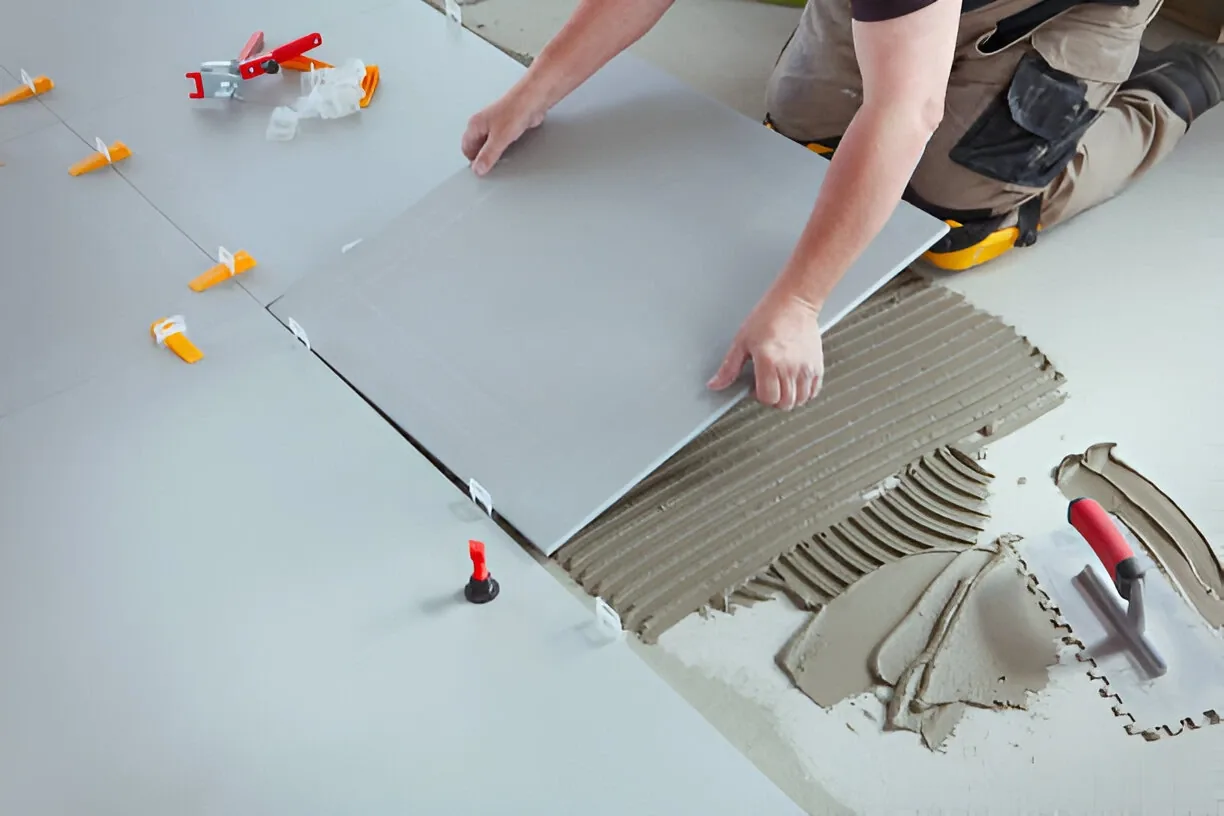
Rectified tile, which is precisely cut to consistent dimensions, allows for tighter, more even grout lines. This creates a smoother floor that is easier to sweep and mop. For entryways or transition areas, consider using the same tile throughout rather than switching materials. Dogs do not understand threshold strips, and a flush, continuous surface reduces tripping hazards for older pets or puppies learning the house.
If you are planning a bathroom remodeling project, think about how your dog uses the space. Some large dogs drink from the toilet or splash water from the sink. A continuous tile floor that extends into the shower area makes cleanup simpler and prevents water damage at seams or transitions.
Easy-Rinse Surfaces for Florida Living
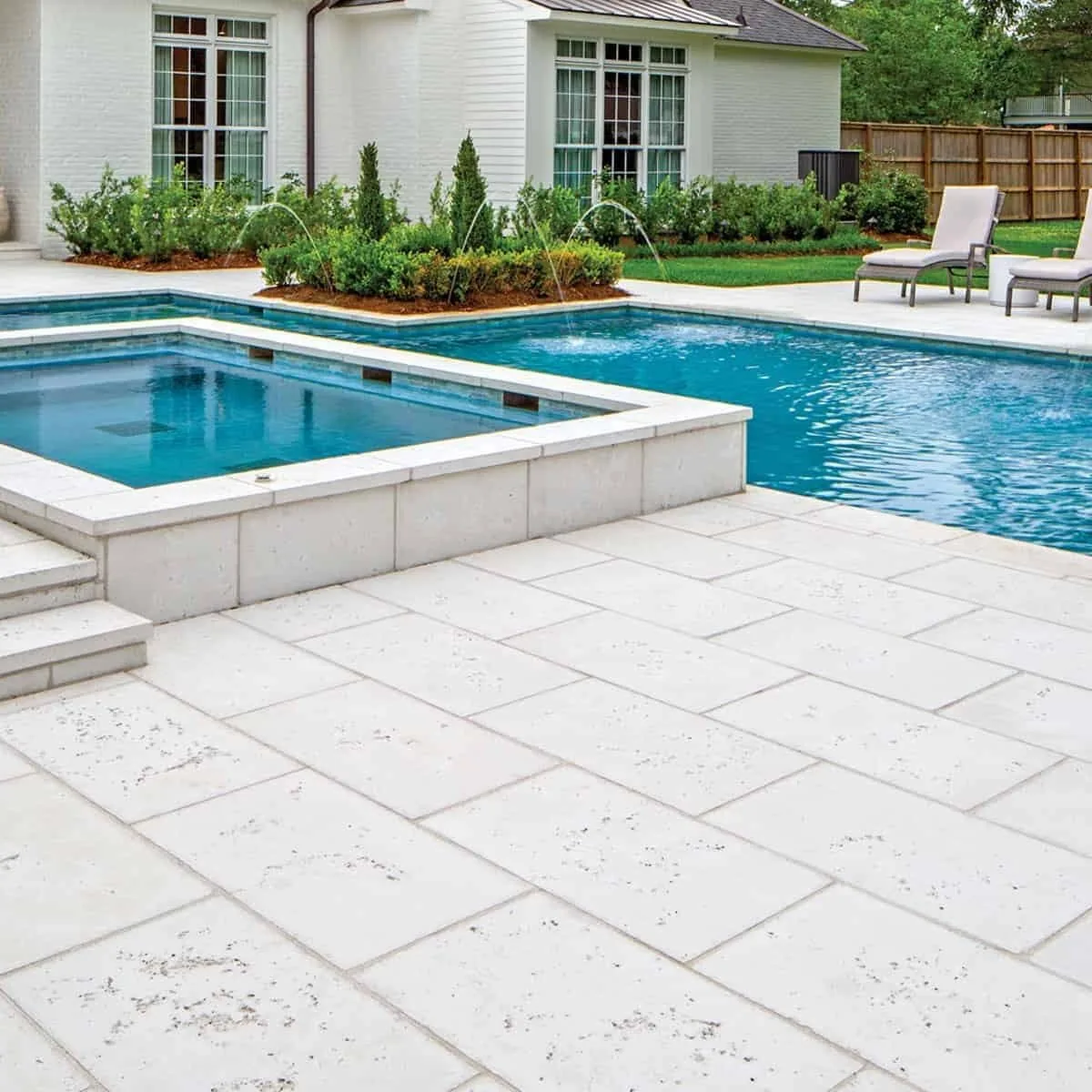
Southwest Florida lifestyle means dogs spend time outdoors. Your lanai or pool deck is an extension of your living space, and the tile you choose there should match the durability of your interior floors. Porcelain pavers designed for outdoor use handle sun, rain, and pool chemicals without fading or becoming slick.
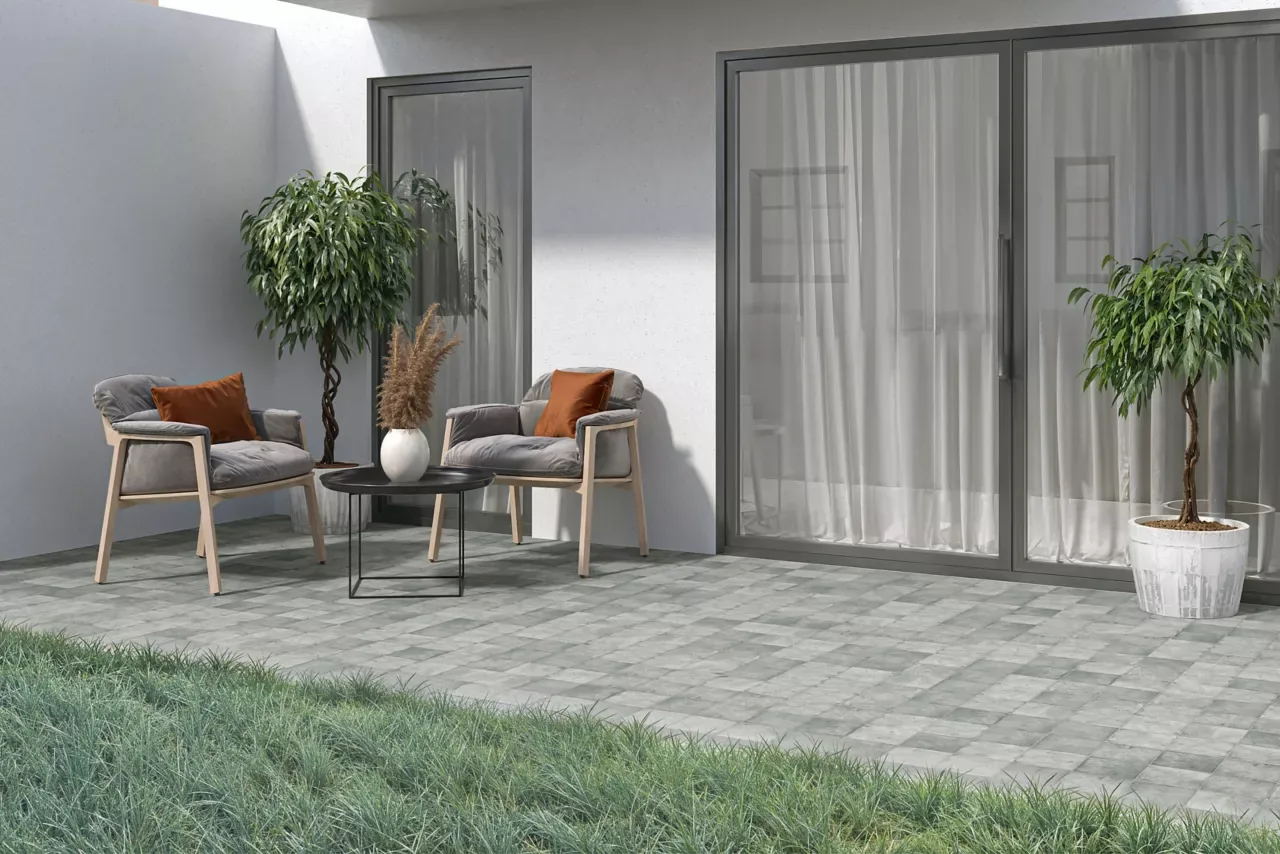
For homes with direct lanai access, consider using the same or similar tile inside and out. This creates a seamless transition and means you can rinse muddy paws before your dog enters the main living area. Many outdoor tile options in Cape Coral are rated for both interior and exterior use, giving you flexibility in your design.
During hurricane season or heavy rain, dogs may track in more water than usual. A tile floor with proper slope toward drains in lanais or mudrooms prevents standing water. This is one area where professional installation matters. A licensed tile contractor can ensure the subfloor is level and that drainage is built into wet areas correctly.
Practical Tips for Pet Owners Choosing Tile
Here are a few concrete suggestions we give homeowners in Southwest Florida who are selecting tile for pet-friendly spaces:
- Choose porcelain over ceramic for better density and scratch resistance
- Select a matte or lightly textured finish for slip safety
- Pick mid-tone grout in epoxy or urethane for stain and odor resistance
- Use large-format tile to minimize grout lines and simplify cleaning
- Avoid high-gloss finishes in entryways, lanais, and pet zones
- Plan for flush transitions between rooms to prevent tripping
If you are unsure which tile fits your home and your dog's needs, visit a showroom with your dog if possible. Some stores allow you to bring your pet so you can see how they interact with different textures. Feel the tile yourself. Walk on it with socks to test slip resistance. Ask about samples you can take home to see how the tile looks in your own light.
The Bottom Line
A pet-friendly tile floor in a Cape Coral home balances safety, durability, and ease of cleaning. Porcelain tile with a textured matte finish, mid-tone epoxy grout, and large-format sizing gives you a floor that stands up to large dogs while fitting the Southwest Florida lifestyle. It handles humidity, rinses clean after beach trips, and stays safe under wet paws.
Tile is a long-term investment in your home. Getting the texture, grout, and format right from the start means fewer headaches and a floor that looks good for years. Dynasty Tile is a licensed tile contractor based in Fort Myers, serving Southwest Florida since 2016. If you are planning a kitchen remodel or updating flooring throughout your home, we offer free, no-obligation estimates. Call (239) 265-2814 to discuss which tile works best for your family and your pets.