Extending Indoor Tile to Your Lanai: When It Works and When to Switch
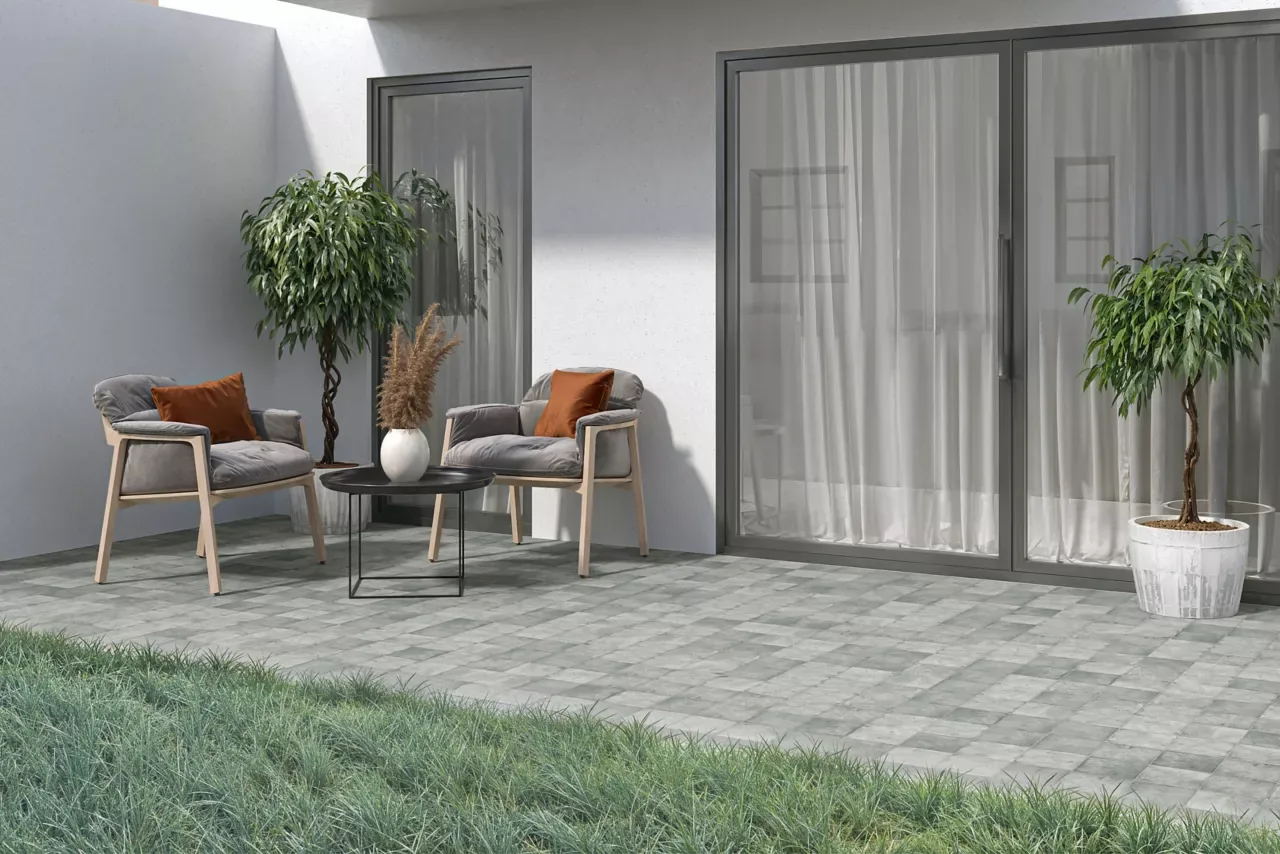
One of the most popular requests we get from homeowners in Estero is the seamless indoor-outdoor look: the same tile running from the great room straight through the sliding glass doors and across the lanai, no visual break, no threshold bump. It photographs beautifully, it makes the living space feel larger, and on a plan it looks simple. In practice, there are real spec differences between an interior floor tile and what an outdoor surface needs to survive here in Southwest Florida, and getting those details wrong costs considerably more than choosing the right tile from the start.
This is not a reason to avoid the look. It is a reason to understand the rules before you commit. We have tiled many lanais across SWFL, and the projects that hold up best are the ones where the homeowner and contractor talked through the spec before anyone ordered materials.
Why the Indoor-Outdoor Transition Is Trickier Than It Looks
Inside your home, tile lives in a controlled environment: consistent temperature, no direct rain, no UV exposure. On a lanai in Estero, even a fully screened one, the tile is exposed to humidity swings, pool splash, pressure washing, direct afternoon sun that heats the surface well past ambient air temperature, and the occasional tropical downpour that finds its way through the screen. An unscreened or partially open lanai adds full UV, wind-driven rain, and whatever blows in during a rough season.
The tile itself may look identical on both sides of the door, but the substrate, the setting materials, the slope, and the waterproofing all have to be appropriate for outdoor use. A tile rated for interior dry areas only will absorb moisture, crack with thermal expansion, and become a slip hazard faster than you would expect.
The Key Spec to Check: Water Absorption (COF Matters Too)
The most important spec for any outdoor tile in Southwest Florida is water absorption. For exterior use, you want a tile with a water absorption rate at or below 0.5%, putting it in the impervious or near-impervious category. Most through-body porcelain pavers hit this range reliably.
Slip resistance matters just as much, especially on a lanai where bare feet and wet surfaces are the norm. The coefficient of friction (COF) rating for wet areas should be at least 0.60. Honed or polished finishes that look stunning in a bathroom often drop well below safe COF thresholds when wet, which is why we typically steer clients toward a textured or matte-finished tile for the lanai side even when they want the same visual look as the interior floor.
If you are working with a tile contractor in Estero on a seamless design, ask them to pull the actual spec sheet on the tile you are considering. The absorption rate and COF ratings are listed there, not on the marketing card at the showroom.
When You Can Use the Same Tile Indoors and Out
Yes, it is possible, and it looks great when done right. The scenario where it works best: a large-format through-body porcelain tile with a lightly textured or matte surface, rated impervious (0.5% or less absorption), with a wet COF of 0.60 or higher. Many 24x24 and 24x48 rectified porcelain tiles on the market today meet this spec. If your interior tile already hits those numbers, the same product can cross the threshold and continue across the lanai with no issue beyond the installation details.
The visual continuity is real. Using the same tile eliminates grout line mismatches and color shift that appear when two different products sit next to each other. It also simplifies ordering and makes future repairs easier since you have one material to match.
For homeowners in Estero planning a combined indoor and outdoor tile project, this approach works well in new construction or full gut renovations where both substrates can be prepped correctly at the same time.
When You Should Switch Specs at the Door
There are situations where continuing the same interior tile onto the lanai is not the right call:
- Interior tiles with absorption above 0.5%. Some natural stone tiles, certain ceramics, and decorative tiles that look beautiful in a kitchen or bath simply are not dense enough for outdoor use here. SWFL humidity and rain will find any porosity.
- Polished or honed surfaces. A polished marble or high-gloss porcelain is a slip risk outdoors. If you want a similar look, choose the same product line in a textured finish if the manufacturer offers it.
- Tiles not rated for exterior use by the manufacturer. If the spec sheet does not list exterior use as an approved application, do not push it. The tile may look fine for a season or two, then fail in ways that require full tear-out.
- Complex substrate transitions. Sometimes the slab height, drainage slope, or waterproofing requirements for the lanai side cannot match what was done inside. In those cases, a transition strip and a purpose-built outdoor tile is the cleaner long-term solution.
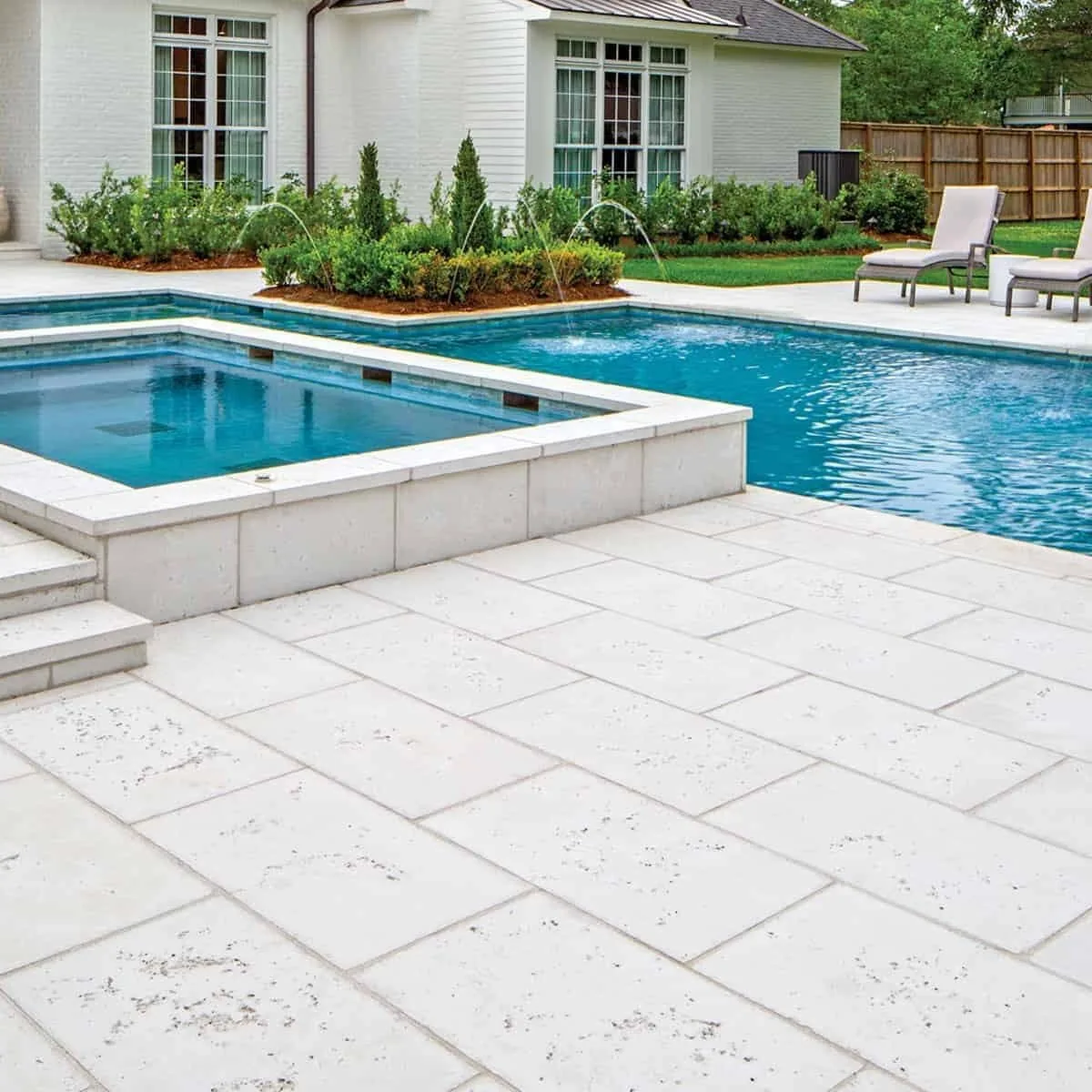
If you are also updating your pool deck in Estero at the same time, it is worth thinking about whether you want the lanai tile to coordinate with the pool deck material. Three zones that feel related without being identical works very well in the open floor plans common in this part of Florida.
Installation Details That Determine Whether It Lasts
Even a correctly specced tile will fail outdoors if the installation is wrong. The issues we see most often on lanai jobs done without the right process:
- Insufficient slope. Lanai tile needs to drain. A minimum slope of 1/8 inch per foot toward a drain or open edge keeps water from pooling. Interior tile is often set nearly flat, so the substrate may need to be re-sloped when tile crosses outdoors.
- Wrong setting material. Polymer-modified thin-set rated for exterior use handles thermal movement and moisture exposure on a lanai. Standard interior thin-set can work loose over time in SWFL conditions.
- Grout choice. Epoxy grout holds up far better outdoors than standard cement grout. It resists moisture, staining, and the biological growth that humid conditions encourage.
- Expansion joints. Outdoor tile expands and contracts more as temperatures shift. Without proper movement joints at the transition and at regular intervals across a large surface, cracking is common.
The Bottom Line
The seamless indoor-outdoor look is absolutely achievable in Estero, and when specced and installed correctly, it holds up beautifully to everything Southwest Florida delivers. Check the tile actual technical ratings before committing, and make sure the outdoor installation follows the right process for drainage, setting materials, and movement joints.
Dynasty Tile has been working as a licensed tile contractor in Estero and across Southwest Florida since 2016, and free estimates are always available. Reach out through our contact page or call (239) 265-2814 to talk through your project.