How Humidity Affects Tile Adhesion in Cape Coral Bathrooms
If you live in Cape Coral, you know the air feels different here. That heavy, thick humidity we get year-round does more than make you reach for the thermostat. It can quietly work against the tile in your bathroom, especially if the original installation did not account for our Southwest Florida climate.
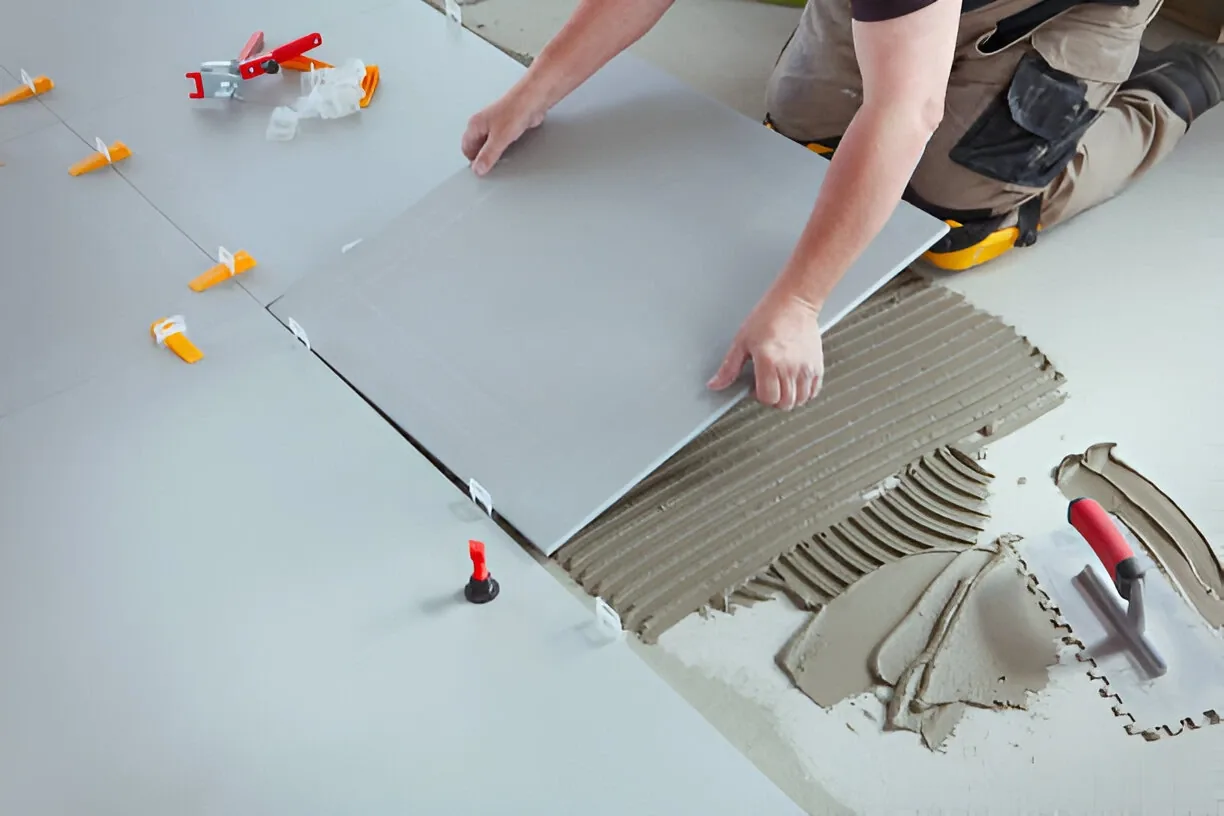
We have seen this pattern many times as a licensed tile contractor serving this area since 2016. Tile that looked perfect at install starts to sound hollow when tapped. Grout lines crack or darken. In worse cases, tiles lift right off the wall or floor. Understanding how humidity affects tile adhesion helps you catch problems early before a small repair becomes a full bathroom re-tile.
Why Southwest Florida Humidity Hits Tile Bonds Harder
Thinset mortar and mastic adhesives cure through a chemical process that depends on controlled moisture levels. When ambient humidity stays above 70 percent for extended periods, which is common in Cape Coral during summer and rainy season, that curing process slows down or stops entirely. The adhesive never reaches full strength.
Even after tile is installed, high humidity keeps working. Moisture penetrates grout lines and sits behind tiles, especially in showers where ventilation is poor. Over months or years, this constant moisture exposure breaks down the bond between tile and substrate. The adhesive softens, loses grip, and eventually fails.
Our coastal location adds another factor. Salt air carries microscopic particles that settle on surfaces and draw moisture from the air. This hygroscopic effect means tiles and grout stay damp longer than they would inland, giving mold and mildew more time to grow and further weaken adhesion.
Early Warning Signs of Humidity-Related Tile Failure
Catching adhesion problems early can save you from expensive water damage. Watch for these signs in your Cape Coral bathroom:
- Hollow sounds when tapped. Gently tap tiles with a coin or knuckle. A solid tile sounds sharp and crisp. A tile with compromised adhesion sounds dull or hollow.
- Grout that cracks or crumbles. Hairline cracks in grout lines let more moisture behind the tile, accelerating bond failure.
- Dark or discolored grout. Persistent darkening often means moisture is trapped behind tiles, even if you clean regularly.
- Tiles that feel loose or shift. If a tile moves when you press on it, the adhesive has already failed in that spot.
- Musty odors near tile surfaces. This suggests mold growth behind tiles, which thrives in humid, poorly ventilated spaces.
These signs often appear first in shower areas, around tub surrounds, and on bathroom floors where water exposure is highest. But humidity affects walls too, especially in bathrooms without proper exhaust fans.
How Poor Ventilation Makes Adhesion Failure Worse
Many older Cape Coral homes have bathrooms that were not designed for our current humidity levels. Small exhaust fans, or none at all, mean moisture from showers lingers for hours. That moisture soaks into drywall, cement board, and eventually the adhesive layer behind your tile.
Seasonal residents face an additional challenge. Closing up a home for months during snowbird season traps humidity inside. When you return, that built-up moisture has had months to work on tile bonds. We recommend running a dehumidifier if you leave your home vacant during summer, or asking a property manager to check humidity levels regularly.
For daily use, run your exhaust fan during showers and for at least 20 minutes after. If your fan is old or weak, consider upgrading to one rated for your bathroom's square footage. Some homeowners add a humidity-sensing switch that turns the fan on automatically when moisture levels rise.
What Homeowners Can Do Before Calling for Re-Tile
If you spot early warning signs, you may not need a full bathroom remodel right away. Here are conservative steps that can slow or stop further damage:
- Improve ventilation immediately. This is the single most important step. Better airflow reduces the moisture load on your tile and adhesive.
- Seal grout lines. A quality penetrating sealer applied to clean, dry grout creates a moisture barrier. Reapply every one to two years in high-humidity areas.
- Check caulking around tubs and showers. Failed caulk lets water run behind tiles. Remove old caulk and apply fresh silicone rated for high-moisture areas.
- Monitor problem tiles. Mark tiles that sound hollow and check them monthly. If they start to shift or lift, stop using that area and call for professional assessment.
Do not attempt to remove and replace tiles yourself in wet areas like showers. Waterproofing membranes behind tile require proper installation to prevent water damage to framing and subfloors. A licensed tile contractor can assess whether spot repairs are safe or if the waterproofing layer itself has failed.
When to Call a Professional for Tile Adhesion Issues
Some situations need professional attention right away. Contact a licensed tile contractor if you notice:
- Multiple tiles that sound hollow or feel loose
- Water stains on ceilings or walls below the bathroom
- Soft or spongy floors around the toilet or shower
- Visible mold growth that returns after cleaning
- Tiles that have already lifted or cracked
These signs suggest the problem has moved beyond surface adhesion into structural or waterproofing failure. In Southwest Florida, where slab foundations are common, moisture can also affect the concrete substrate itself, leading to more extensive repairs.
For bathroom remodeling projects, working with a licensed tile contractor who understands local humidity challenges ensures proper adhesive selection and installation techniques from the start. Products formulated for high-humidity climates cost slightly more but prevent costly call-backs.
Preventing Adhesion Problems in New Installations
If you are planning a bathroom update, ask your contractor about these humidity-resistant practices:
- Moisture-resistant substrates. Cement board or foam boards designed for wet areas perform better than drywall in our climate.
- Modified thinset mortars. Polymer-modified adhesives handle humidity better than standard thinset during curing.
- Proper curing time. Rushing to grout before adhesive fully cures traps moisture. In summer, this may mean waiting longer than package directions suggest.
- Vapor barriers. In older homes without modern waterproofing, adding a vapor barrier behind new tile protects the adhesive layer.
These details matter more in Cape Coral than in drier climates. A contractor who works primarily in northern states may not account for our year-round humidity without prompting.
The Bottom Line
Humidity is a fact of life in Southwest Florida, but it does not have to mean accepting failing tile in your bathroom. Understanding how moisture affects adhesion helps you spot problems early and make informed decisions about repairs or replacement. Small investments in ventilation and maintenance extend tile life significantly in our climate.
If you are seeing multiple warning signs or need guidance on whether your bathroom needs spot repairs or a full update, our team provides free, no-obligation estimates for Cape Coral homeowners. We have helped hundreds of local families navigate tile adhesion issues specific to our humid coastal environment. Call (239) 265-2814 or visit our service areas page to confirm we cover your neighborhood.