Large Format Tile: When It Works and When It Does Not
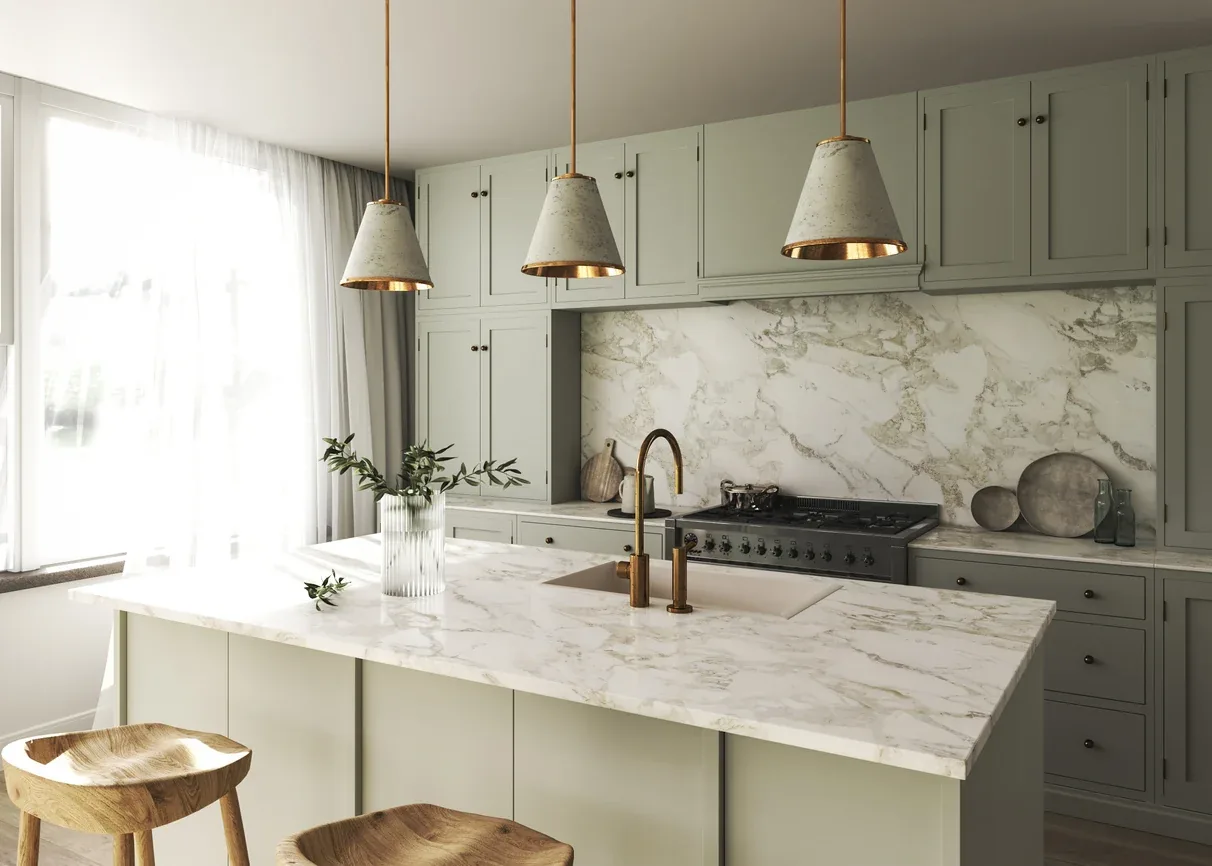
Large format tile has taken over showroom floors and Instagram feeds alike, and it is easy to see why. Fewer grout lines, a cleaner look, and that seamless stone appearance that makes a room feel bigger. We install a lot of it in Estero and across Southwest Florida, and when the conditions are right, the results are genuinely impressive. But large format tile is less forgiving than standard sizes, and there are real situations where it is the wrong choice for a project.
This is not a scare piece. It is an honest look at the substrate demands, the lippage risk, and the job-site conditions that determine whether a 24x24 or 48x24 tile will perform for decades or start showing problems within a few years.
What Counts as Large Format
There is no single industry cutoff, but most installers treat anything 15 inches or larger in at least one dimension as large format. Tiles at 24x24 are common in living rooms and open-plan areas. Sizes like 24x48 and 32x32 are popular for master baths and great rooms. Anything 48 inches or longer in either dimension is sometimes called jumbo or extra large format, and those tiles add another layer of handling and substrate requirements.
The format matters because a bigger tile spans more floor area, which means any variation in the substrate underneath gets telegraphed to the surface. A small tile can bridge a minor low spot without flexing. A large tile cannot.
Where Large Format Tile Genuinely Shines
Open living areas with a slab-on-grade foundation are the sweet spot. In Estero, most homes built in the last two decades sit on a concrete slab, and a well-poured slab that has had time to cure and settle gives large format tile an ideal base. The continuous concrete minimizes deflection, and with a good self-leveling compound and a quality large-format mortar, you get a floor that looks like it was poured rather than installed.
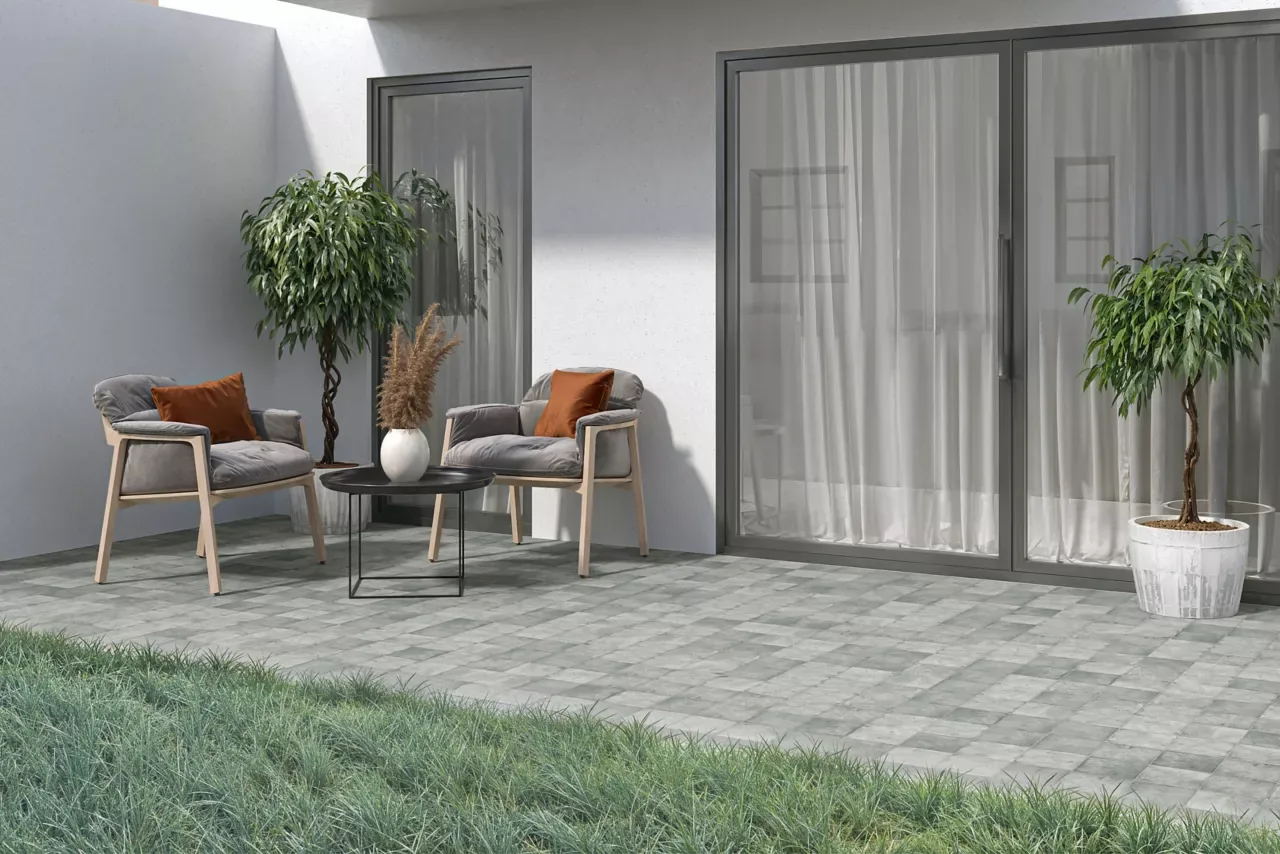
Large format also works well in covered outdoor tile applications like lanais and screened patios in Estero, provided the concrete deck is structurally sound and the installer uses the right exterior-rated mortar and grout. The low grout joint count is a genuine maintenance advantage outdoors, where organic matter and salt air can work into wide grout lines over time.
Walk-in showers with a linear drain are another strong match. A 24x48 wall tile with a matching floor tile in a smaller companion size creates a spa-like continuity that is hard to achieve with 4x12 subway tile. If you are planning a bathroom remodel in Estero, large format wall tile on a properly waterproofed and tile-ready backer is a reliable choice.
Substrate: The Non-Negotiable Part
The Tile Council of North America publishes a flatness standard for large format tile: no more than 1/8 inch variation over a 10-foot span, or 1/16 inch over a 2-foot span. That is tighter than the standard for smaller tile, and it requires real preparation work on many existing floors.
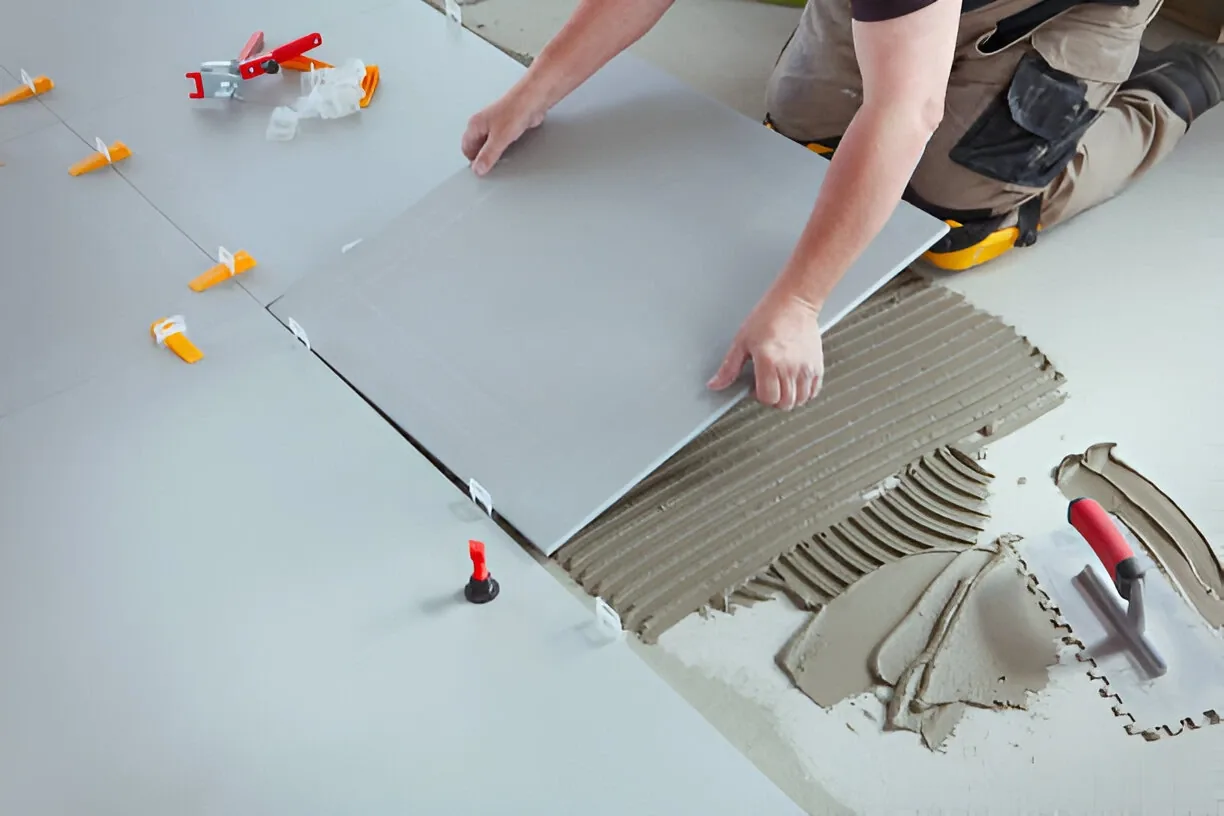
We see this a lot in older Estero homes where the slab has shifted slightly over the years or where a previous floor installation left adhesive ridges. Before any large format tile goes down, the substrate has to be ground flat, filled with patching compound, or brought up with a self-leveling underlayment. Skipping this step is the single most common reason large format tile fails. It is also where a homeowner trying to speed up a project or reduce costs can run into serious trouble later.
Subfloors over wood framing are a different challenge. Deflection is the enemy. The subfloor assembly has to be stiff enough to meet the L/360 deflection standard, and wood naturally responds to Southwest Florida humidity by expanding and contracting. Large format tile over a wood subfloor is doable with the right decoupling membrane and a properly reinforced subfloor, but it requires more planning than a slab installation. If your home has a raised wood subfloor, consult a licensed tile contractor in Estero before purchasing tile in large sizes.
Lippage: What It Is and Why It Matters
Lippage is the vertical difference between the edges of adjacent tiles. Every installation has some lippage, but when it becomes visible or felt underfoot, it is both a cosmetic problem and a tripping hazard. Large format tiles are more prone to noticeable lippage for two reasons: warpage in the tile itself and any remaining unevenness in the substrate.
Even high-quality rectified porcelain has a small amount of inherent bow or warp. Manufacturers publish a warpage tolerance, and for tiles over 15 inches, that tolerance can translate to a visible edge difference if the installer does not account for it. Experienced installers address this by using a wider grout joint, typically 3/16 inch or more for large format tile, which allows the slight warpage to blend across the joint rather than creating a sharp step. Very tight grout lines on large format tile look sleek in photos but often hide a lippage problem that becomes obvious in raking light.
In Estero homes with lots of natural light coming off the Gulf or through large lanai doors, raking light is a daily condition. A floor that looks fine in a showroom can telegraph lippage clearly when afternoon sun hits it at a low angle. We always walk a large format installation in multiple lighting conditions before signing off on it.
When Large Format Is the Wrong Choice
There are situations where we recommend a different size. Small, irregular rooms with lots of transitions and cut lines can look choppy with large format tile because the cuts end up being a high proportion of the total installation. A bathroom with a pedestal sink, a toilet alcove, and a separate shower enclosure may simply not have enough uninterrupted floor area to show off a 24x24 tile to advantage.
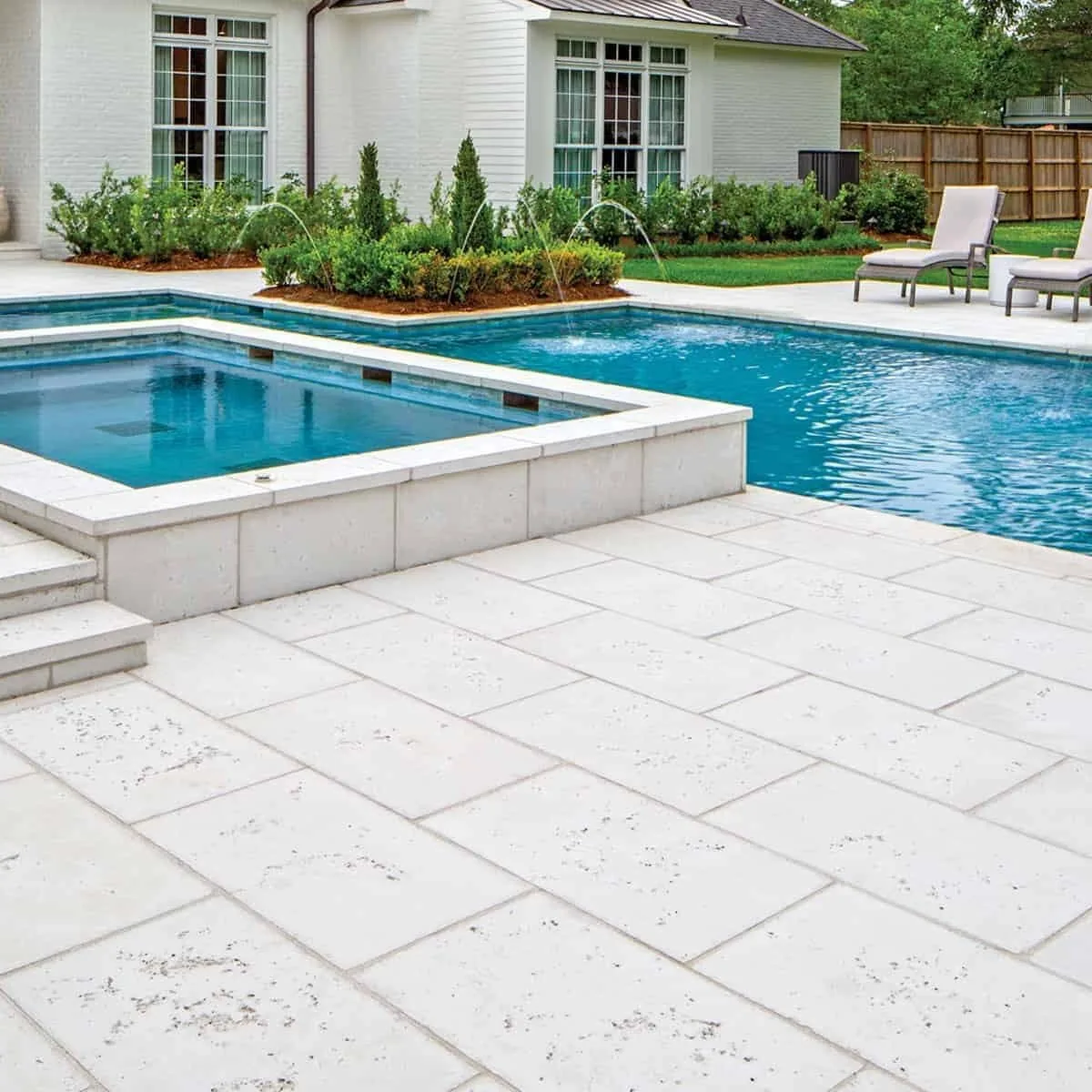
Pool decks and pool surrounds in Southwest Florida are another case where we tend to recommend against the largest formats. The combination of direct sun, thermal cycling, and pool chemistry puts significant stress on grout joints and tile edges. Smaller pavers or tiles in the 12x24 or 16x16 range often hold up better around a pool because the greater number of joints gives the assembly room to absorb expansion and contraction. If you are weighing options for a pool deck renovation in Estero, the size question is worth a direct conversation about your specific deck conditions.
Older homes with unknown slab conditions or previous water damage should also be approached carefully. If the slab has cracked or settled unevenly, no amount of leveling compound fully substitutes for addressing the underlying issue first. In those situations, starting with large format tile before assessing the slab is a risk we do not recommend.
The Bottom Line
Large format tile is not harder to live with than standard sizes, but it is harder to install correctly. The substrate has to be flat, the mortar coverage has to be complete (back-buttering is standard practice, not optional), and the grout joint width has to match the actual warpage tolerance of the tile. When all of that comes together, a large format floor or wall is one of the best investments a homeowner can make in an Estero home.
If you are planning a project and want a straightforward assessment of whether your floors or walls are suitable for large format tile, Dynasty Tile offers free, no-obligation estimates. We have been working in Southwest Florida since 2016, and we are happy to walk through your space before you commit to any tile purchase. Reach us at (239) 265-2814 or through our contact page.