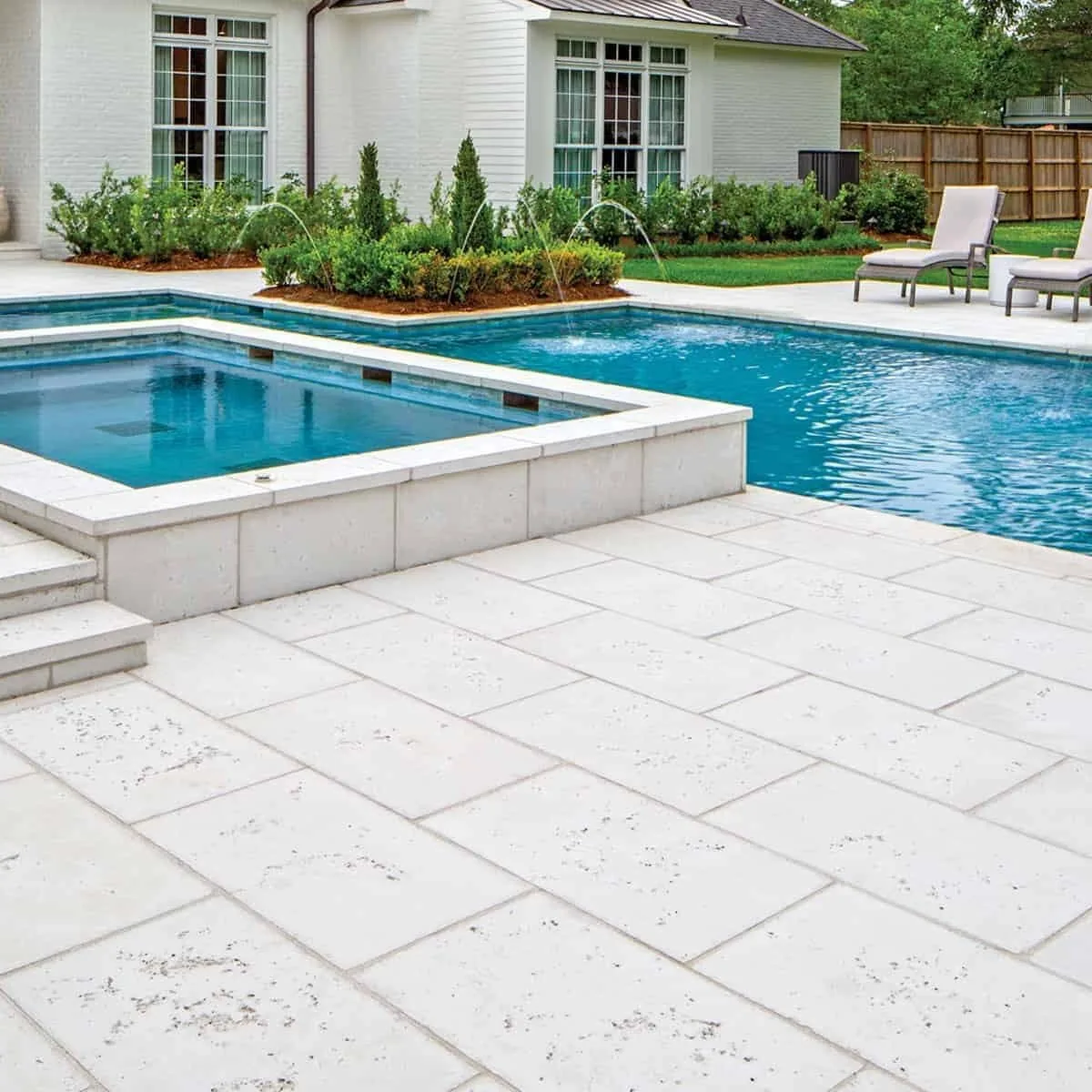
Porcelain Pavers for Driveways and Walkways: What Ave Maria Homeowners Should Know
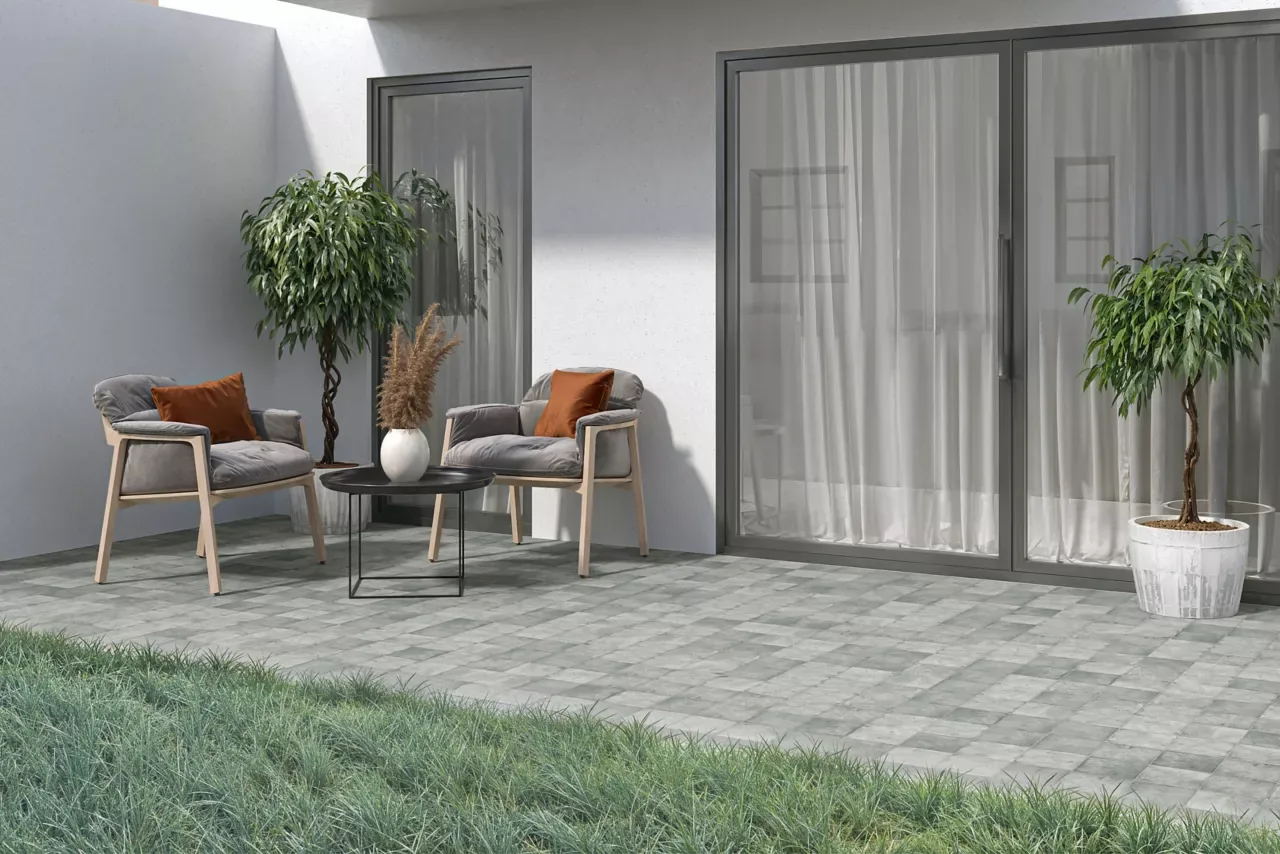
Porcelain pavers have become a popular choice for outdoor surfaces across Southwest Florida, and Ave Maria is no exception. The clean lines and stone-look finishes work well with the community's architectural styles, and the material genuinely handles Florida's heat and rain better than many alternatives.
That said, driveways and walkways are not the same as a lanai or pool deck. They take different loads, sit on different bases, and failing to account for those differences leads to cracked tiles and lifted sections within a few years. Here is a plain-language breakdown of what actually matters.
Why Porcelain Works Well Outdoors in Southwest Florida
Porcelain pavers are fired at high temperatures, which makes them dense and nearly non-porous. In a climate like Ave Maria's, where summer humidity stays high for months and afternoon downpours are routine, that low water absorption rate matters. Materials that soak up moisture expand and contract with temperature swings and can pop loose from the setting bed over time. Porcelain resists that cycle better than natural stone.
The material also holds up to UV exposure. Colors and surface texture stay consistent even after years of full Florida sun, which is harder to say for some painted or coated concrete alternatives. And because the surface is so dense, organic growth like algae and mildew has far less to grab onto, which simplifies maintenance.
Thickness: The Number That Changes Everything
Standard porcelain pavers sold for patios and pool decks are typically 3/4 inch (about 20mm) thick. That thickness is appropriate for foot traffic and light outdoor furniture. For driveways and areas where vehicles will drive and park, you need pavers rated at a minimum of 1 inch (roughly 24mm) or thicker, and many installers working in Southwest Florida use 1.2 inch (30mm) product for any surface that will see regular vehicle loads.
Thinner pavers will crack under vehicle weight, full stop. It is not a question of installation quality. The material simply is not engineered for that stress at 3/4 inch. When you are getting quotes for a driveway project, ask specifically what thickness the installer is specifying. If the answer is 20mm, that is a red flag for a vehicle-rated surface.
Walkways that will only see foot traffic can use the standard 3/4 inch product, but a thicker paver gives more tolerance for minor base settling, which does happen in sandy Southwest Florida soil.
Base Preparation: What Sits Under the Paver Matters Most
In our experience with outdoor projects across SWFL, more failures trace back to the base than to the paver itself. A beautiful thick porcelain paver installed over an inadequate base will fail. A modest paver installed over a properly prepared base will last.
For driveways, the base typically needs a compacted aggregate layer several inches deep, with a concrete or compacted sand-set base above it. The exact depth depends on the existing soil, drainage conditions, and what the surface will carry. Sandy soil, which is common throughout Ave Maria and the surrounding area, requires careful compaction work because it does not naturally provide the bearing capacity that denser soils do.
In areas with a high water table or poor drainage, additional steps like a gravel drainage layer or properly sloped subgrade become necessary. Water sitting under a paved surface softens the base over time and promotes settlement. For Ave Maria homeowners planning driveway work, the drainage evaluation should happen before any material is ordered.
For walkways, the requirements are less intensive, but the base still needs to be level, compacted, and free of organic material. Tree roots near walkway paths are a common problem throughout the region and should be addressed during the planning phase rather than discovered mid-installation.
Setting Methods: Mortar-Set vs. Pedestal vs. Sand-Set
Outdoor porcelain pavers can be installed in a few different ways, and the right choice depends on what the surface needs to do.
- Full mortar bed: Pavers are bonded to a concrete substrate with a flexible tile mortar. This is the most common method for vehicle-rated driveways and produces a rigid, stable surface. The concrete slab underneath must be structurally sound and properly reinforced.
- Pedestal system: Pavers sit on adjustable plastic pedestals, with open joints between them. This works well for elevated decks and rooftop applications where drainage and access to the membrane below are priorities. It is generally not appropriate for driveways.
- Sand-set or crushed stone bed: Pavers rest on a compacted sand or fine aggregate base without adhesive. This is common for certain walkway and patio applications and allows water to drain between the joints. It requires careful base preparation and is not recommended for vehicle driveways.
For most Ave Maria driveways, a mortar-set installation over a reinforced slab is the right approach. It requires more upfront work but produces a surface that handles vehicle loads predictably.
Joint Width, Grout, and Movement
Outdoor porcelain pavers need wider joints than interior tile. A minimum of 1/4 inch is common, and many installations use 3/8 inch or wider. This spacing allows for the natural expansion and contraction that happens with temperature changes. Florida's temperature range is narrower than northern climates, but the thermal movement is still real, and tight grout joints in outdoor settings crack over time.
The grout or joint filler used outdoors should be a sanded, polymer-modified product rated for exterior use. Standard unsanded grout used in bathroom applications is not appropriate for outdoor pavers. Epoxy-based grout is another option that handles outdoor conditions well, though it requires skilled application.
Movement joints, which allow the field of tile to move without transferring stress to grout lines, are important for larger driveway installations and are sometimes skipped to save time. A licensed tile contractor will plan movement joint locations as part of the layout design rather than as an afterthought.
What to Ask Before Work Begins
If you are planning a porcelain paver driveway or walkway in Ave Maria, a few questions are worth asking any installer before signing off:
- What paver thickness are you specifying, and is it vehicle-rated for this application?
- How will you evaluate and prepare the base, and what depth of compacted aggregate do you recommend for our soil conditions?
- What is your method for handling drainage away from the structure?
- Where will movement joints be located?
- What joint filler product are you using, and is it rated for outdoor vehicle-traffic areas?
Answers to these questions reveal a lot about whether an installer has done this kind of work before. Vague answers or dismissiveness toward base preparation are warning signs. You can also check what other homeowners have said about their experience and ask for examples of completed driveway projects.
The Bottom Line
Porcelain pavers are a solid choice for driveways and walkways in Ave Maria and throughout Southwest Florida when the job is done right. The material handles humidity, heat, and rain well, and the finished look holds up over years without fading or significant maintenance. But thickness and base preparation are non-negotiable. Cutting corners on either one trades a short-term saving for a surface that fails in a few seasons.
If you are in the planning stage for a driveway or entry walkway project, Dynasty Tile has been installing outdoor tile and pavers across Southwest Florida since 2016. For a free, no-obligation estimate, visit our Ave Maria outdoor tile page or reach out through our contact page. We are also happy to walk through base and drainage questions specific to your property before you commit to any material or layout.