Porcelain vs Ceramic Tile: What Actually Matters for Florida Homes
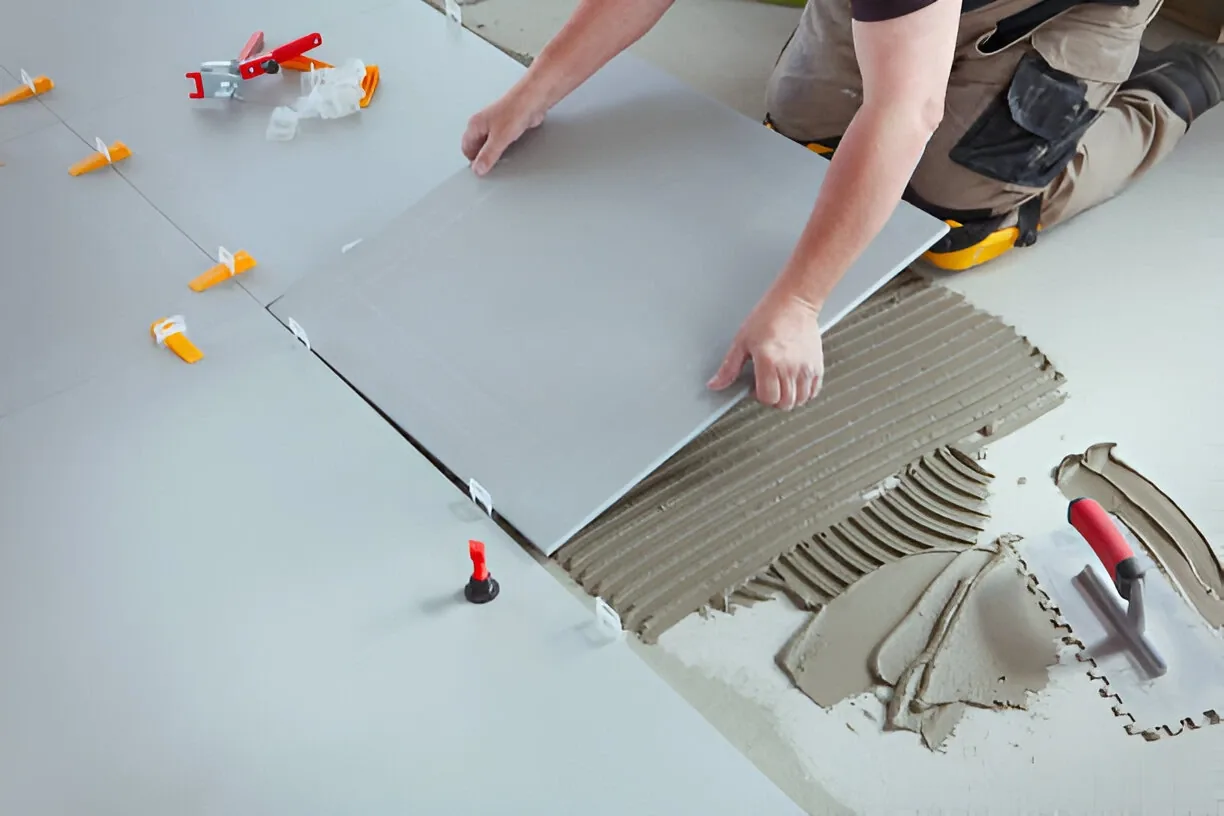
Walk into any tile showroom and you will hear the same pitch: porcelain is better than ceramic. But better how, and does it matter for your specific project? After years of tile installation work in Fort Myers and surrounding communities, we see homeowners pay a premium for porcelain where ceramic would have served them fine, and occasionally use ceramic in spots that really needed the denser material. The difference is not about prestige. It is about physics, and Florida's climate makes those physics matter more than in most places.
Here is what you actually need to understand before choosing.
The Core Difference: Density and Water Absorption
Both porcelain and ceramic are fired clay products, but that is where the similarity ends. Ceramic tile is made from a coarser clay body, fired at lower temperatures. The result is a tile that is moderately dense, with a water absorption rate typically between 3 and 7 percent. Porcelain uses a finer, denser clay mixture fired at higher temperatures. Its water absorption rate is 0.5 percent or less, which is the threshold the tile industry uses to define porcelain as a category.
That half-percent number sounds technical, but it has very real consequences in a humid coastal environment like Fort Myers. When tile absorbs water, it expands slightly. When it dries, it contracts. Do that hundreds of times over a few years of Florida weather and you accelerate the stress on grout joints and the bond between the tile and the substrate beneath it.
Why Humidity and Salt Air Change the Calculus
Southwest Florida is not just humid indoors. Homes here deal with salt air from the Gulf, high ambient moisture that never fully leaves, and dramatic swings in temperature when air conditioning runs hard against a 95-degree afternoon. For outdoor areas like lanais, pool decks, and covered patios, those conditions are relentless.
Ceramic tile outdoors in this climate is a gamble. Even if the tile itself holds up, its higher absorption rate means water gets in, and water sitting inside a porous body near a Florida pool deck or an uncovered walkway can lead to staining, spalling, and freeze damage in the rare cold snaps that hit Fort Myers in winter. Porcelain pavers and through-body porcelain tiles are the standard for outdoor tile work in Fort Myers for exactly this reason.
Where Ceramic Still Makes Sense
Ceramic tile gets unfairly dismissed. In dry interior spaces that are properly sealed and well-ventilated, ceramic performs well and offers a wider range of glazed finishes at a reasonable material cost. For a bedroom feature wall, a low-traffic laundry room, or a backsplash in a kitchen that sees normal use, ceramic is a legitimate choice. The glaze on a ceramic tile is still essentially impermeable, so as long as the tile face is not getting prolonged direct water exposure, absorption through the body is not a practical concern.
The issue is placement. We often see ceramic tile installed in showers or on bathroom floors in older Fort Myers homes, and over time the grout and the tile body absorb enough moisture that the bond to the substrate weakens. That is not always a ceramic problem. It is often a waterproofing problem. But the lower density of ceramic leaves less margin for error if the waterproofing system ever gets compromised.
Wet Areas and Bathrooms: Read the Installation Context
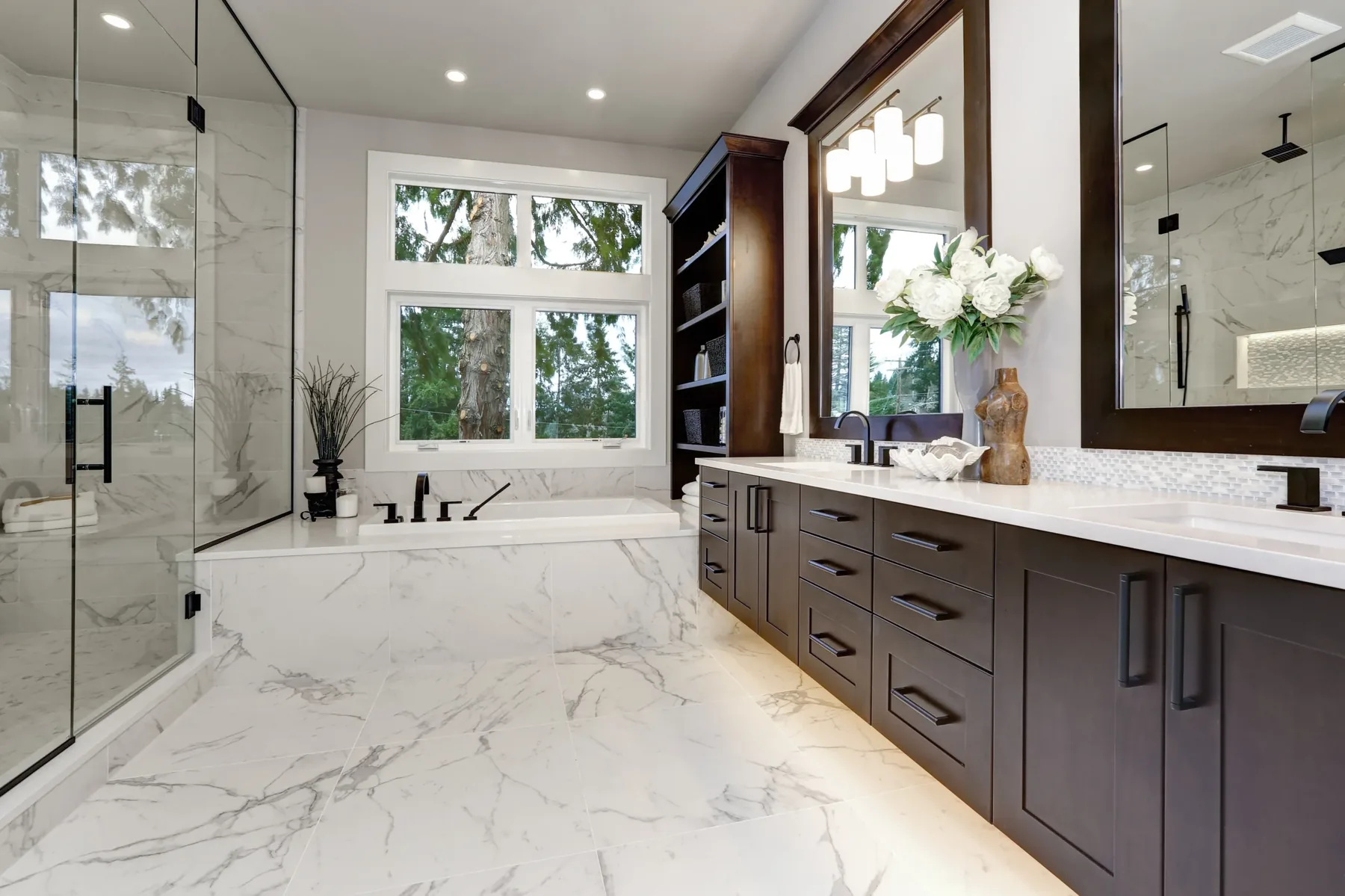
In a bathroom remodel in Fort Myers, we generally recommend porcelain for shower walls, shower floors, and bathroom floors. The constant wet-dry cycling in a shower is exactly the environment where ceramic's higher absorption becomes a liability over a 10 to 15 year period. Porcelain also tends to hold up better under cleaning products, including the stronger agents some homeowners use to combat the mold and mildew that Southwest Florida's humidity encourages.
That said, the tile choice is only one layer of the equation. A porcelain tile installed over a failing waterproofing membrane will fail too. And a well-installed ceramic tile over a properly built wet area can outlast a porcelain tile set carelessly. If you are planning a wet-area renovation, the waterproofing layer beneath the tile matters as much as the tile itself. For anything involving wet area construction or tile demolition in an existing bathroom, we recommend consulting a licensed professional rather than attempting it as a DIY project.
Pool Decks and Lanais: Porcelain Is Not Optional
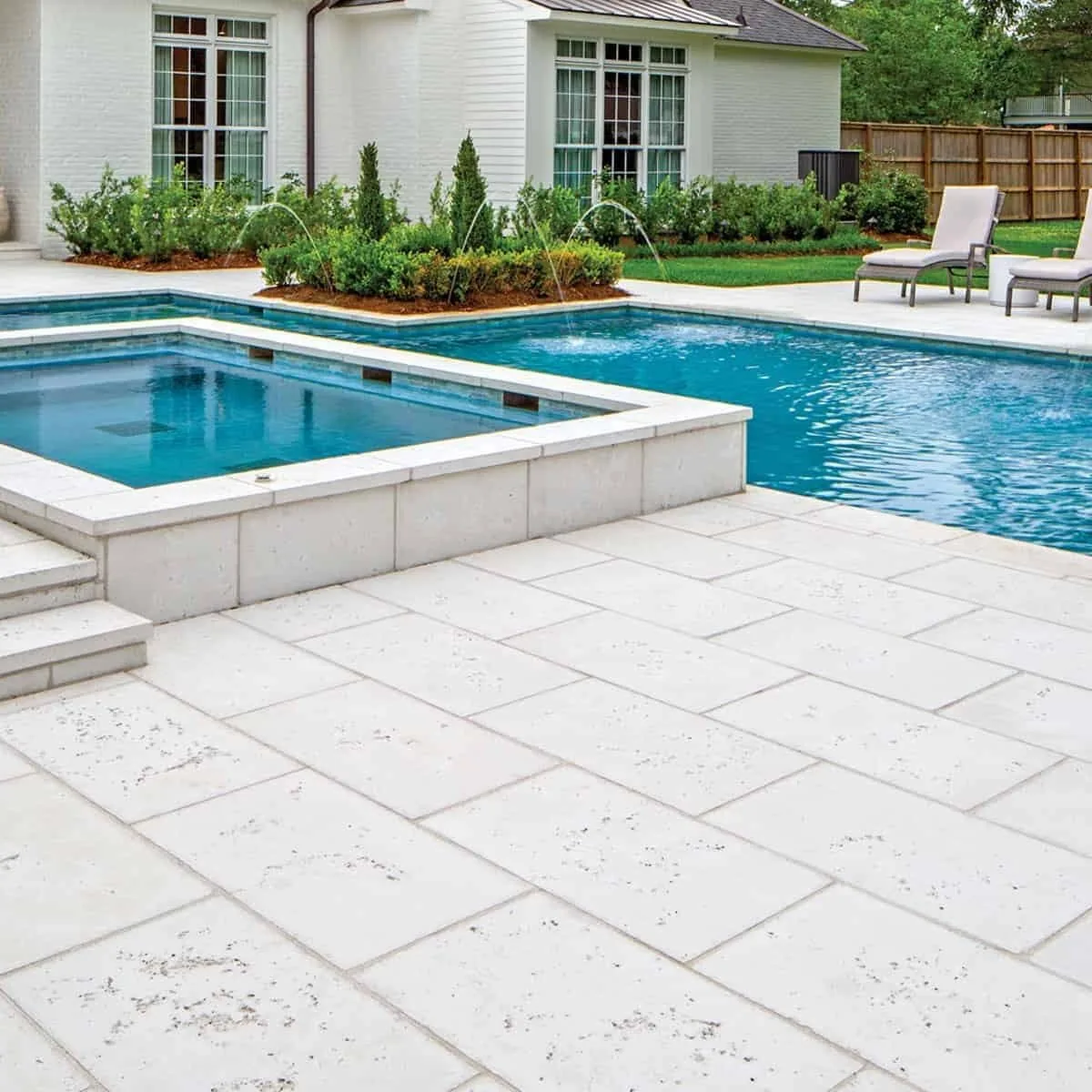
For pool decks and lanais across Fort Myers and the rest of Southwest Florida, porcelain is not a premium upgrade, it is the appropriate material. The reasons stack up quickly: near-zero absorption resists the constant splash and spray around a pool; through-body color means chips and scratches are far less visible; porcelain pavers rated for outdoor use carry slip resistance ratings that matter around wet pool surrounds; and the material holds up to UV exposure and the thermal cycling that Florida sun delivers year-round.
Large-format porcelain pavers, typically 24x24 or larger, have become common on pool deck projects in Fort Myers because they minimize grout joints, which reduces the surface area where algae and pool chemicals can cause long-term staining. A smaller ceramic tile on a pool deck would create more grout to maintain and would absorb far more of the moisture that pool environments generate.
Thickness Matters, Especially Outdoors
One detail homeowners often miss: porcelain tiles made for outdoor use are significantly thicker than standard floor tiles, often 20mm compared to the 10mm typical of interior porcelain. That extra thickness is not about weight. It is about strength under point loads, thermal movement, and the fact that outdoor installations often sit on a bed of gravel or sand rather than a rigid mortar base. Mixing up interior and exterior porcelain specifications is a mistake we see in DIY projects and occasionally in jobs where a contractor pulls material without confirming the intended application.
If you are sourcing your own tile for a contractor to install, always confirm the intended use case and verify the slip resistance rating for any wet or outdoor area before purchasing.
The Bottom Line
The porcelain vs ceramic question is really a question about where the tile is going and what it will face. Outdoors, around pools, on lanais, and in wet bathrooms in a climate like Fort Myers, porcelain is the better-suited material because its density and absorption rate match the demands of the environment. In dry interior spaces where water exposure is not a factor, ceramic remains a practical and versatile option.
If you are unsure which material fits your specific project, or if you want an honest assessment of what your existing tile situation looks like, Dynasty Tile is a licensed tile contractor based in Fort Myers and has been serving Southwest Florida since 2016. We offer free, no-obligation estimates. Reach us at (239) 265-2814 or through our contact page.