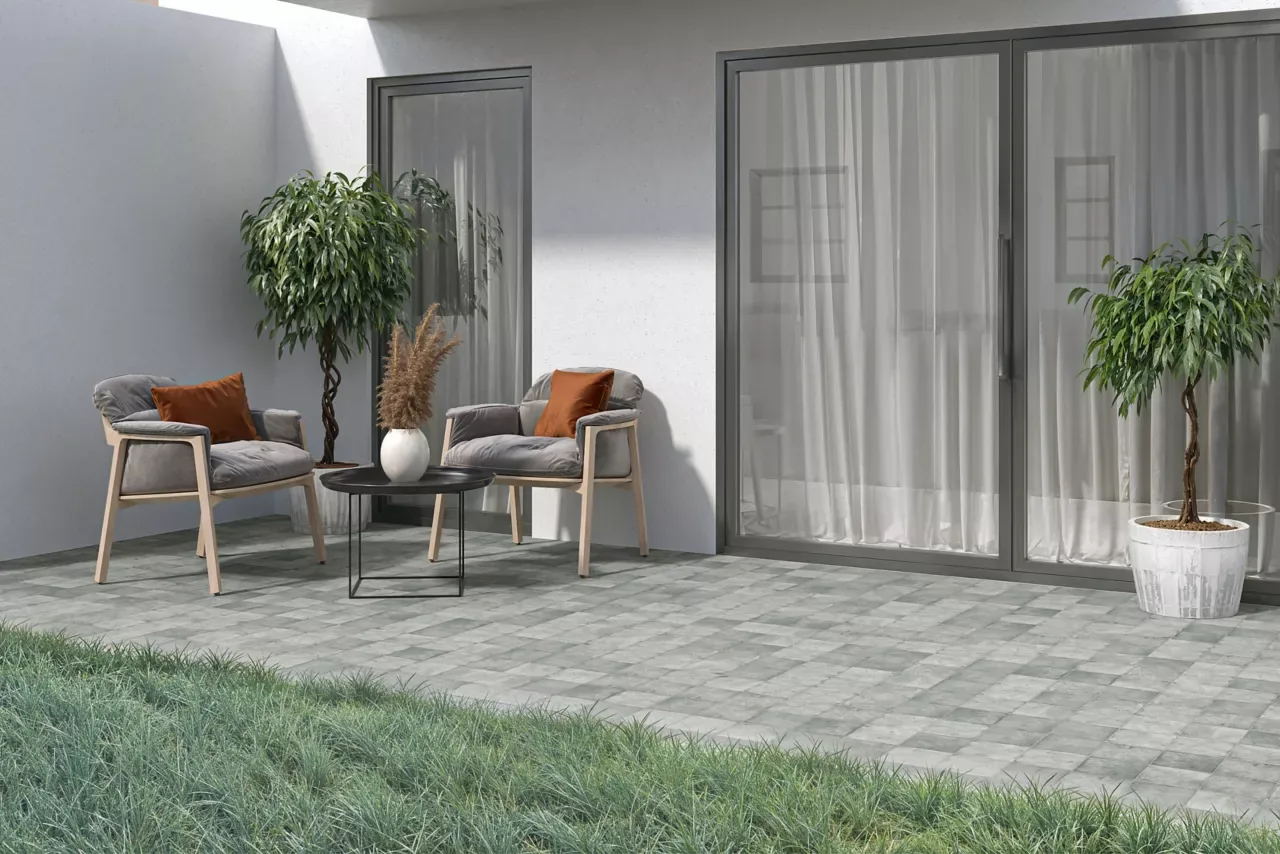
Porcelain vs Travertine for Estero Pool Decks: Which Lasts Longer
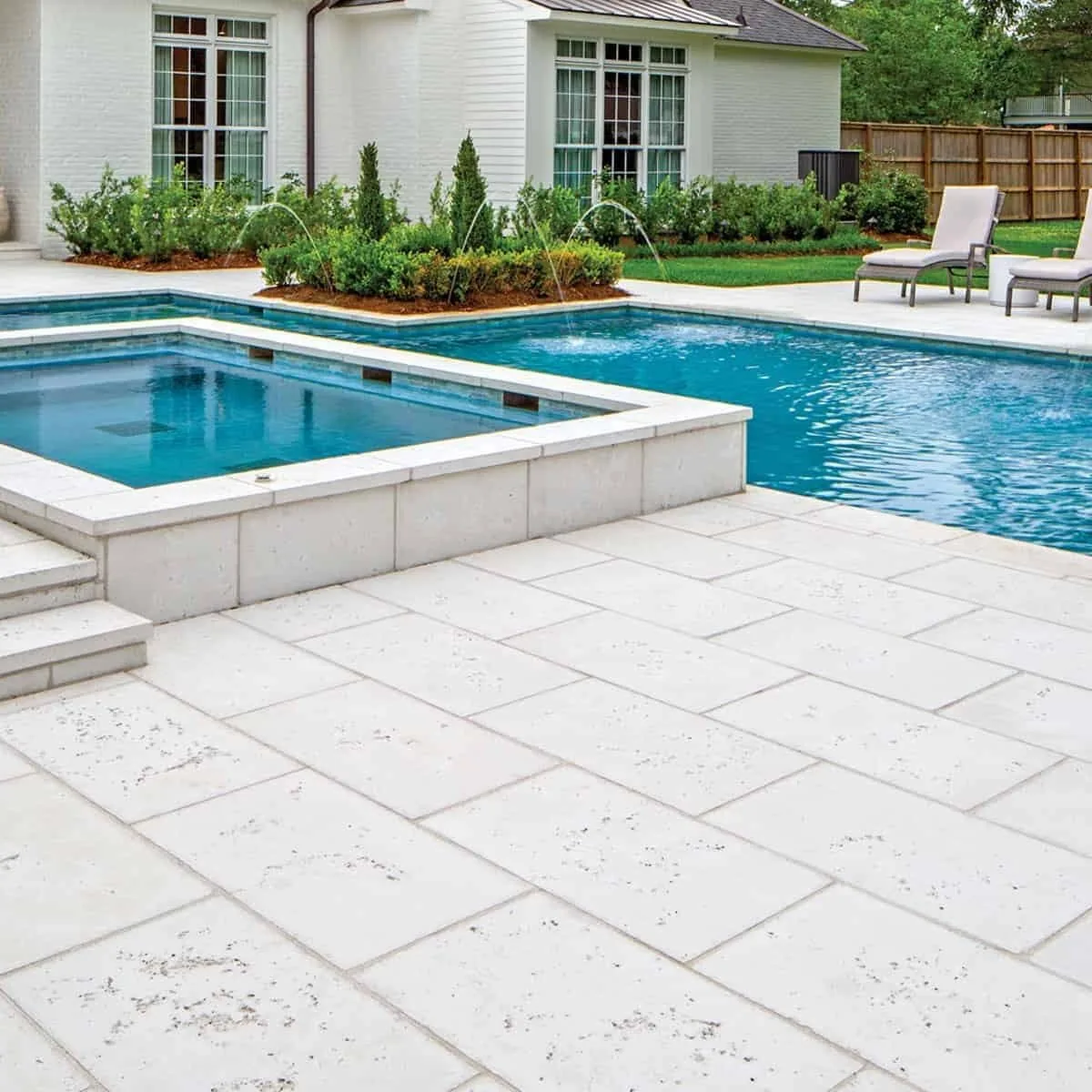
If you own a home in Estero with a pool, you know the deck around it takes a beating. Between the intense summer sun, daily chlorine exposure, bare feet tracking in water, and the constant humidity that defines Southwest Florida, your pool deck surface needs to earn its place. Two materials dominate conversations here: porcelain pavers and travertine stone. Both look great when installed fresh. The real question is which one holds up better over five, ten, or fifteen years of Florida living.
We have installed both materials on hundreds of pool decks across Southwest Florida since 2016. This comparison breaks down what actually happens to each material in our climate, not just what the showroom samples look like on day one.
Slip Resistance When Wet: Safety First
Pool decks get wet. That is the entire point. But in Florida, they also stay wet longer due to humidity, afternoon thunderstorms, and the fact that most lanais here are screened and do not dry out quickly. Slip resistance is not optional.
Porcelain pavers designed for outdoor use come with textured surfaces rated for wet areas. Look for pavers with a DCOF (Dynamic Coefficient of Friction) rating of 0.42 or higher for level interior floors, though outdoor applications benefit from even more grip. The texture is baked into the manufacturing process, so it does not wear away. We see homeowners in Estero choose matte or structured finishes that provide traction even when the surface is slick with sunscreen or pool chemicals.
Travertine is naturally slip resistant due to its porous surface and natural pits. When honed or tumbled, it provides good grip under bare feet. However, that same porosity means it absorbs oils, sunscreen, and dirt over time. Without regular sealing and cleaning, the surface can become slick in high-traffic areas near pool steps or lounging zones. The natural variation that makes travertine beautiful also means some pieces are smoother than others.
For families with children, elderly residents, or anyone concerned about falls, porcelain pavers with a dedicated anti-slip rating provide more consistent performance year after year.
Heat Absorption: Can You Walk Barefoot at Noon?
Anyone who has stepped onto a sun-baked pool deck in July knows this matters. In Estero, where summer highs regularly reach the low nineties and the sun is brutal, surface temperature determines whether you can actually use your pool during the day.
Porcelain pavers vary widely in heat retention based on color. Light colors like ivory, bone, or light gray stay significantly cooler than charcoal or dark brown. Modern porcelain technology also includes options with heat-reflective glazes that reduce surface temperature by several degrees compared to standard finishes. That said, porcelain is dense and does absorb heat. In direct noon sun, even light porcelain will be warm. The difference is whether it is uncomfortably hot or just pleasantly warm.
Travertine has a natural advantage here. Its light color and porous structure mean it does not retain heat the way dense materials do. You can walk across travertine at midday in August without wincing. This is one reason it became popular for Florida pool decks in the first place. The stone stays cooler underfoot than almost any other hardscape material.
If your pool deck gets full sun most of the day and you want to use it during daylight hours, travertine wins on heat. If you have shade structures, a covered lanai, or primarily swim in the evening, porcelain color selection gives you more design flexibility without the heat penalty.
Maintenance Differences Over Time
This is where the two materials diverge significantly. Both need care, but the type and frequency differ.
Porcelain pavers are virtually non-porous. They do not absorb water, oils, or stains. Routine maintenance involves sweeping debris, occasional rinsing with a hose, and maybe a mild detergent wash a few times per year. No sealing is required. The color and pattern run through the entire thickness of the paver, so surface wear does not change the appearance. For seasonal residents who leave their homes for months at a time, this low-maintenance profile is a major advantage.
Travertine is natural stone. It is porous and requires sealing upon installation and re-sealing every one to two years depending on exposure. Without proper sealing, it absorbs pool chemicals, sunscreen oils, and organic matter that lead to discoloration. Acidic substances like citrus juice or certain cleaners can etch the surface. In Southwest Florida's salt air environment near the coast, travertine may show weathering faster than inland. The natural pits and voids can trap debris and require more thorough cleaning to prevent buildup.
For homeowners who want to spend their weekends at the beach instead of maintaining their deck, porcelain is the simpler choice. For those who appreciate natural stone and do not mind periodic sealing, travertine remains viable with proper care.
Durability in Florida's Climate
Southwest Florida throws everything at outdoor materials: UV radiation, salt air, humidity, temperature swings, and the occasional hurricane. Pool decks also bear the weight of furniture, foot traffic, and sometimes vehicles for maintenance access.
Porcelain pavers are fired at extreme temperatures, creating a material that is harder than granite. They resist scratching, chipping, and fading. UV exposure does not change the color. Salt air has no effect. Freeze-thaw cycles are not a concern here, but porcelain handles them anyway. The main vulnerability is improper installation: if the base is not prepared correctly or if there is movement in the substrate, even the hardest paver can crack. This is why working with a licensed tile contractor who understands slab preparation and expansion joints matters more than the material itself.
Travertine is softer and more susceptible to physical damage. Heavy furniture can leave marks. Dropped tools or grill accessories can chip the surface. Over time, foot traffic in high-use areas can polish the stone smoother than intended. Salt air and humidity accelerate the natural aging process. That said, travertine has been used in Mediterranean and Florida architecture for centuries because it weathers gracefully. Minor chips and wear can be filled or polished. The material does not fail catastrophically; it simply shows its age.
For long-term durability with minimal intervention, porcelain holds up better to the physical demands of daily pool life in Estero.
Cost Considerations Without the Guesswork
We do not discuss specific pricing because material costs fluctuate and every project has unique conditions. What matters for planning purposes is the total cost of ownership, not just the install price.
Porcelain pavers typically cost more upfront for the material itself, especially premium brands with advanced textures or larger formats. Installation labor is comparable to travertine when both are done correctly. Over time, the lack of sealing requirements and lower maintenance needs reduce ongoing costs.
Travertine material costs vary based on grade and origin. Installation requires more skill to handle natural variation. Factor in the cost of sealant and re-sealing every year or two, plus any repairs for chips or etching over a decade of use.
Both materials are investments in your home's outdoor living space. The right choice depends on whether you prioritize lower upfront cost with higher maintenance, or higher upfront cost with lower maintenance.
Which Material Fits Your Estero Home
Here is how we typically see homeowners decide:
- Choose porcelain pavers if you want minimal maintenance, consistent slip resistance, maximum durability, and do not mind the surface being warm in direct sun. Ideal for busy families, seasonal residents, and anyone who values predictability.
- Choose travertine if you love the look of natural stone, want the coolest possible surface underfoot, do not mind periodic sealing, and accept that the material will show gentle wear over time. Ideal for homeowners who appreciate authenticity and are committed to upkeep.
Both materials work beautifully for outdoor tile installations when installed correctly. The best choice is the one that matches your lifestyle and maintenance willingness.
The Bottom Line
For Estero pool decks, porcelain pavers offer superior long-term durability and lower maintenance, while travertine provides cooler surface temperatures and natural beauty at the cost of more upkeep. Neither material is wrong. The right answer depends on how you use your pool, how much maintenance you want to handle, and what feels best under your feet.
If you are weighing options for your pool deck, we offer free, no-obligation estimates to discuss your specific situation. You can reach us at (239) 265-2814 or explore our service areas to confirm we cover your neighborhood. Either material installed correctly will serve your home well for years of Southwest Florida pool seasons.