Post-Storm Tile Checklist: What to Inspect After Hurricane Season in Punta Gorda
Punta Gorda sits in the path of Gulf storms every season, and even a near-miss delivers wind-driven rain, flooding, and ground movement that can do real damage to tile surfaces that looks invisible at first. A tile floor or shower that felt solid the day before a storm can behave very differently six weeks later once moisture has worked its way into places it should never reach.
Every year after the season calms down, we get calls from homeowners who noticed something off in a bathroom, on the lanai, or around the pool deck. Some of those issues started the minute a storm passed through. Others had been building quietly for years and the storm just accelerated them. Either way, the time to look is now, while repairs are still straightforward.
Start Outside: Lanai and Patio Tile
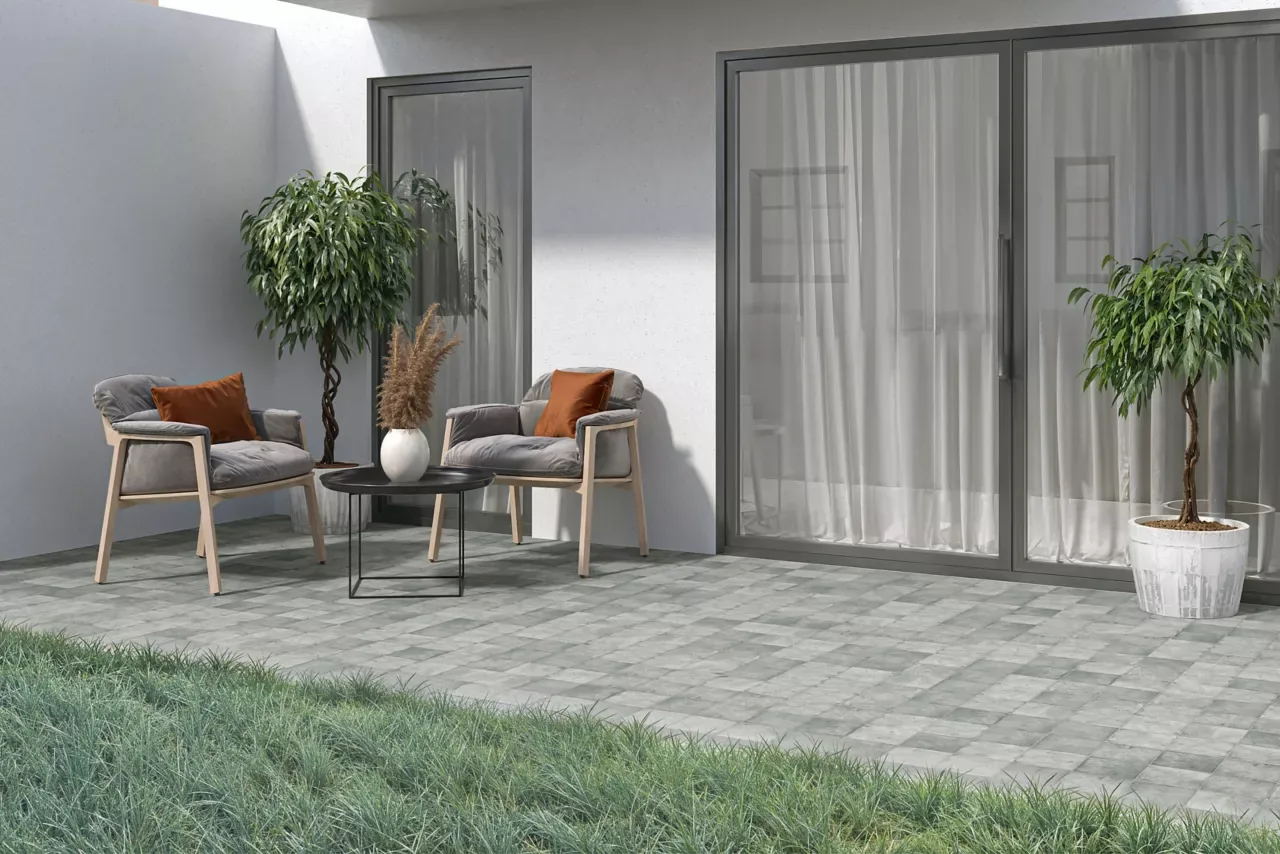
Outdoor surfaces take the most punishment. Porcelain pavers and tile on Punta Gorda lanais deal with wind-loaded debris, standing water, and the thermal shock that comes with temperature swings after heavy rain. Walk the entire surface and look for these signs.
- Lifted or shifted pavers. Sandy, clay-heavy soils in Southwest Florida expand and contract with moisture. A storm that saturates the ground can push pavers up or pull them apart at the joints. Even a small shift changes the drainage slope and can direct water toward the house foundation.
- Cracked grout lines. Grout on outdoor surfaces takes constant movement. After a storm, cracked or missing grout lets water get under the tile bed. Once water is underneath, the freeze-thaw cycle is not a concern here, but sustained moisture absolutely is.
- Tile surfaces that sound hollow. Knock on suspicious areas with your knuckle. A dull, hollow sound means the tile has debonded from the substrate beneath it. That tile is no longer doing its job, and in a wet area it is actively letting moisture migrate where it should not.
Pool Deck and Waterline Tile
Pool surrounds and pool deck tile in Punta Gorda are built to handle water, but storms introduce stresses that normal pool use does not. Check these areas carefully.
- Waterline tile displacement. Storm surge, flooding, or even just debris impact can crack or knock loose the band of tile at the waterline. Missing waterline tile exposes the bond coat and eventually the shell beneath it to pool chemistry, which speeds deterioration quickly.
- Coping and edge cracks. Look at every coping piece for hairline fractures. Hairline cracks in coping are easy to dismiss because they look minor. On a pool deck, they are not. Water enters, salt air and humidity keep the crack moist, and the freeze cycle that would finish things up north is replaced by Florida daily thermal cycling. Those cracks grow.
- Drainage channels. Check that deck drains and channel drains are clear and that tile around them has not shifted to block flow. Ponding water on a pool deck after a storm is a sign something in the drainage layout has changed.
Bathrooms: What to Look for Inside
Indoor tile damage from storms is often indirect. The culprit is usually a new water intrusion path that the storm opened: a compromised roof area, a window seal failure, or moisture that found a way into an exterior wall. We see this regularly in older SWFL homes where caulk and grout lines were already showing wear.
- Soft or spongy floor tile near exterior walls. Press down firmly on floor tiles within a few feet of any exterior wall. Tile that flexes even slightly has lost its bond. In bathrooms, this almost always means moisture has reached the substrate.
- Grout discoloration or mold growth. Grout that has gone from light to dark, or tile edges with new black or green staining, points to moisture that was not there before the storm.
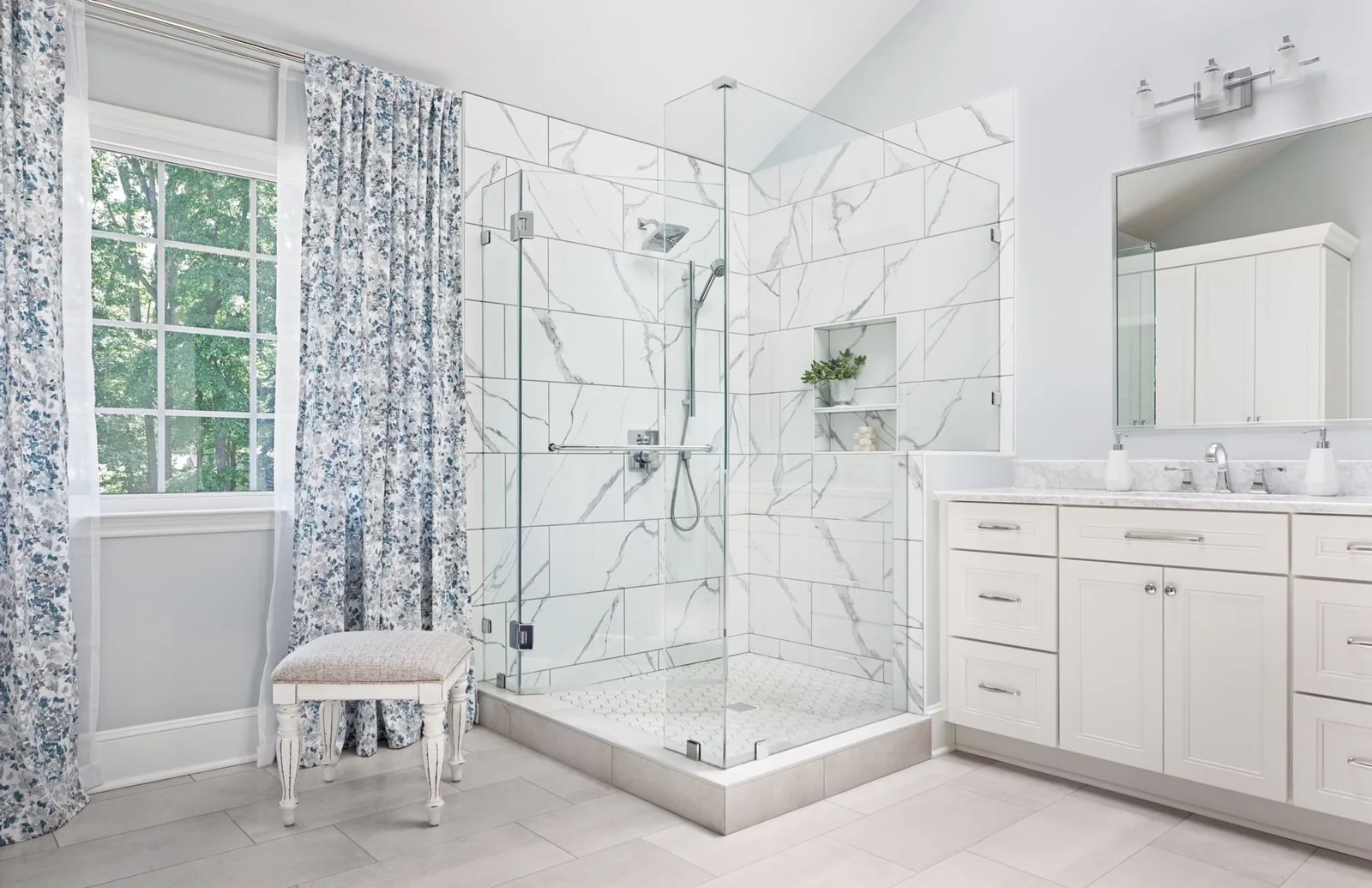
- Loose wall tile in showers or tub surrounds. Tap wall tile with a coin or your knuckle. Any hollow sound on a shower wall means the waterproofing layer behind that tile may have been compromised, even if you cannot see water damage directly.
If you find anything soft, hollow, or actively growing mold, stop using that area and consult a licensed tile contractor in Punta Gorda before doing any work yourself. Shower and wet area waterproofing is not a DIY repair.
Hairline Cracks: How to Tell the Difference
Not every hairline crack is a disaster, but none of them should be ignored. A crack in tile glaze only, with no movement and no moisture, can sometimes be monitored. A crack that crosses both the tile and the grout joint, or that shows any vertical offset between the two sides, means the substrate moved. That is a structural issue, not a cosmetic one.
Run your fingernail across any crack you find. If the two sides of the crack are at different heights, the tile has moved. If the crack continues through the grout line into an adjacent tile, the movement was significant. Either scenario calls for professional assessment, especially in a bathroom or area with waterproofing requirements.
Seasonal and Part-Time Residents: Do Not Delay
A large portion of Punta Gorda homeowners leave for the summer and return after hurricane season. If you closed up the house before peak season and are coming back now, the checklist above should be your first walk-through. Moisture that entered during a storm in September has had months to work into grout, substrates, and walls. What might have been a simple grout repair in October can be a full substrate replacement by December.
Check under vanities and around toilet bases for water staining that was not there when you left. Look at bathroom tile along the floor-to-wall transition for any separation or new caulk cracking. Outside, check the lanai and outdoor tile surfaces for debris impact marks and shifted pavers before the rainy season starts again.
When to Call a Professional
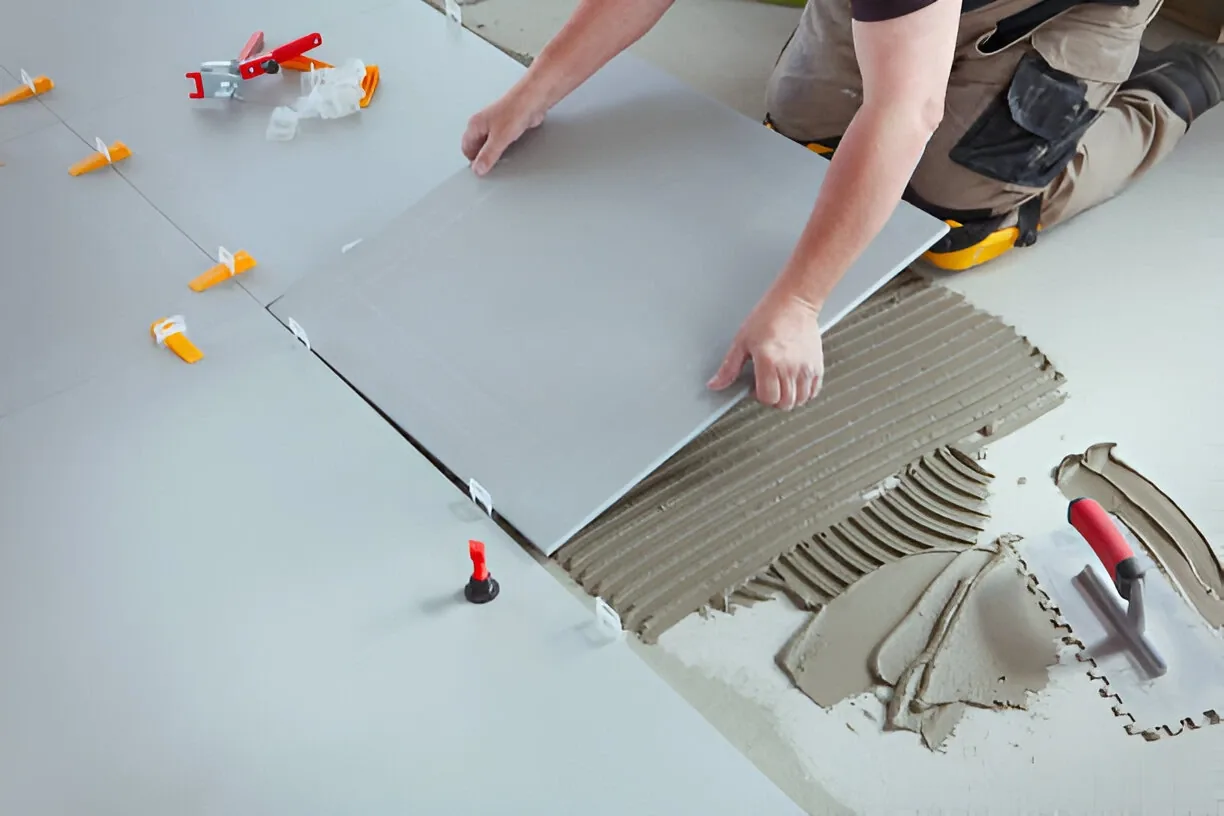
Do the visual and tap inspection yourself. It takes thirty minutes and gives you a clear picture of what you are dealing with. But for any of the following, bring in a licensed tile contractor before attempting a repair:
- Hollow-sounding tile in a shower, tub surround, or wet room floor
- Any crack that crosses grout joints or shows vertical offset
- Soft substrate under bathroom or kitchen floor tile near an exterior wall
- Pool waterline tile that is loose, missing, or visibly displaced
- Mold growth that appears on grout or behind wall tile
Attempting to re-adhere tile without addressing the underlying moisture or substrate problem is a repair that fails quickly and can cost more to fix the second time. We have been working in Southwest Florida since 2016 and we are happy to walk through a property assessment with you at no obligation.
The Bottom Line
Punta Gorda homeowners know that hurricane season comes with the territory, but the tile damage it leaves behind is not always obvious on day one. A methodical inspection of outdoor surfaces, pool decks, and interior wet areas after a storm is the best way to catch problems while they are still manageable. Hairline cracks, hollow sounds, and any new moisture staining are your early warning signs. Take them seriously, document what you find with photos, and do not wait to get a professional opinion on anything in a waterproofed area. Reach out through our contact page or call (239) 265-2814 to schedule a free, no-obligation estimate.