7 Questions to Ask Before Hiring a Tile Contractor in Cape Coral
Cape Coral homeowners have no shortage of contractors willing to quote a tile job. The harder part is sorting out who will actually do it right. A bathroom floor or shower that looks fine on day one can fail within a year if the substrate prep, waterproofing, or leveling were skipped or rushed. We see the fallout regularly: cracked grout lines, loose tiles, and water damage behind walls that needed a full tear-out to fix.
Whether you are planning a bathroom remodel in Cape Coral or refreshing a kitchen backsplash, the questions below will help you separate qualified contractors from those just chasing a quick check. They work whether you are comparing two bids or ten.
1. Are You a Licensed Tile Contractor in Florida?
This one is non-negotiable. Florida requires tile contractors to carry a state or local license to perform work legally. Ask specifically for their license type and verify it through the state licensing database before any money changes hands. A licensed tile contractor has passed trade exams and meets minimum standards the state sets for the work. Unlicensed work can void a homeowner's property insurance claim if damage occurs, and it creates headaches when you go to sell the home.
In Cape Coral and the broader Lee County area, permit requirements for tile work can vary depending on scope. A licensed contractor will know when a permit is required and pull one without being asked.
2. What Waterproofing Method Do You Use in Wet Areas?
Tile itself is not waterproof. The membrane or system beneath it is what keeps water from reaching the subfloor or studs. Ask the contractor exactly what product and method they use in showers, tub surrounds, and any wet-area floor. Common answers include sheet membranes, liquid-applied systems, and foam substrates with integrated waterproofing. Each has legitimate applications; the red flag is a vague answer like "we just use cement board" without a membrane system on top.
Southwest Florida's humidity and the everyday moisture load in a shower demand a properly executed waterproofing layer. A contractor who glosses over this question is telling you something important about how they approach the work.
3. How Do You Handle an Uneven or Out-of-Level Substrate?
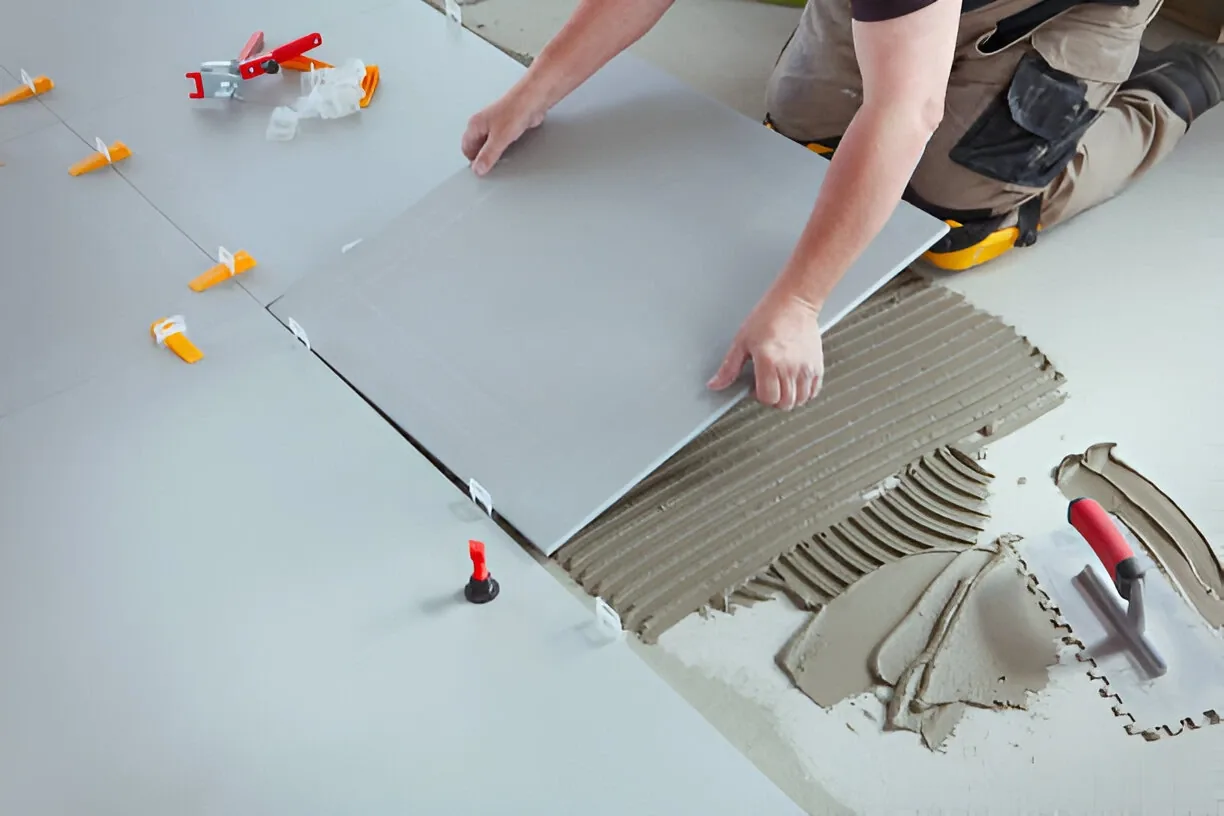
Large-format tiles, which are popular in Cape Coral bathrooms and living areas right now, are unforgiving on anything less than a flat surface. Ask how the contractor checks for flatness (typically a straightedge over a set span) and what they do when the slab or subfloor does not meet that standard. The answer should involve self-leveling compound, floating a mud bed, or grinding high spots, not just working around the problem with extra thinset.
On Florida slabs, minor settling is common, and older homes can have significant variation across a floor. A contractor who has a clear process here is one who has done enough work to have faced the problem before.
4. Can You Provide Local References from Similar Projects?
References from homeowners with comparable projects, a bathroom remodel, a Cape Coral pool deck, a kitchen floor, are more useful than a generic list of names. Ask for two or three contacts you can actually call. When you reach them, ask whether the job finished on schedule, how the crew handled unexpected issues, and whether they would hire the same contractor again.
You can also check the contractor's reviews from past clients as a starting point, but direct conversations with recent customers give you information a review profile does not: how the contractor communicates when something goes wrong mid-project.
5. Who Physically Does the Work, and Will a Subcontractor Be Involved?
Many contractors, especially larger companies, bid the job and then hand it to a subcontractor. That is not automatically a problem, but you should know going in. Ask whether the crew showing up at your home is employed by the contractor or hired out for this job. If subs are involved, ask whether the primary contractor oversees the work daily and whether the sub also carries proper licensing.
The quality of tile work depends heavily on the individual setter's skill and attention. Knowing who will be on your floor helps set realistic expectations and gives you someone accountable if issues come up.
6. How Do You Protect the Rest of the Home During Demo and Installation?
Tile removal creates significant dust and debris. In SWFL homes, where open floor plans and AC systems are standard, fine dust from concrete or old mortar can travel far if the work area is not isolated. Ask specifically about dust containment: do they use plastic barriers, negative air, or a combination? What is the process for protecting adjacent flooring, cabinetry, and fixtures that are staying?
If the scope includes kitchen tile work near appliances or cabinets, containment matters even more. A contractor who has a clear answer here has thought through the job; one who shrugs it off may be planning to work fast and clean up whatever is left behind.
7. How Do You Compare Bids Fairly?
When you have quotes from multiple contractors, the numbers will rarely line up because the scopes are rarely identical. Before you compare totals, make sure each bid specifies the same things: the tile being installed (material, size, format), the method of substrate prep, the waterproofing system, the type of thinset and grout, tile layout pattern, and any demolition or haul-away included. A bid that skips waterproofing or uses a basic thinset on a large-format tile may look cheaper, but you are not getting the same job.
Ask each contractor to walk you through their line items. The ones doing quality work can explain what is in their quote and why. Vague answers or resistance to breaking down the numbers are worth noting.
The Bottom Line
Hiring well in Cape Coral means asking specific questions and listening carefully to the answers. A contractor who is confident in their process will welcome the conversation. One who gets evasive about licensing, waterproofing, or references is showing you exactly what the working relationship will look like. Dynasty Tile has been serving Southwest Florida as a licensed tile contractor since 2016. If you want a straightforward conversation about your project, call us at (239) 265-2814 or request a free, no-obligation estimate.