Renovating an Older Florida Home: Subfloor and Slab Surprises Near McGregor
If you own a home built in the 1970s or 1980s near McGregor Boulevard, you already know these houses were built to last. Good bones, wide lots, mature landscaping. What you may not know is what is lurking under the existing tile or vinyl flooring. We do a fair amount of bathroom remodeling in the McGregor and Iona corridor, and the surprises under those floors are consistent enough that they deserve a straightforward conversation before any homeowner commits to a renovation.
This is not meant to scare you off a project. It is meant to help you go in with realistic expectations so that your budget and your timeline do not take a hit you were not prepared for.
What Was Standard Construction Back Then
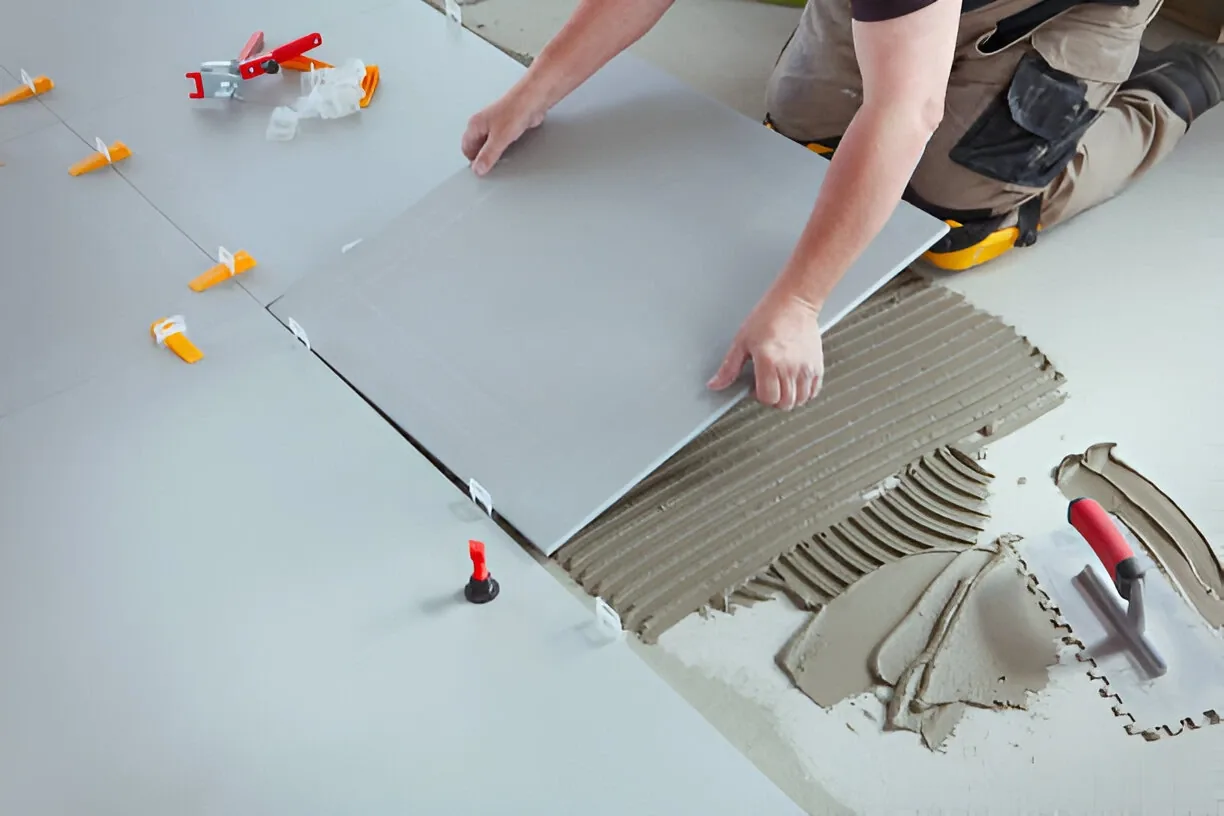
Homes built in Florida between roughly 1965 and 1985 were commonly set on poured concrete slab foundations. That part has aged well in most cases. What sits on top of that slab is a different story. Tile work from that era was almost universally installed in a thick mud bed, also called a mortar bed or mud set. A skilled installer would float a layer of sand-cement mortar, often two to four inches thick, then set the tile into it while it was still workable. When it cured, it was extremely solid. It also adds significant weight and height that has to be accounted for when you are replacing it with modern tile.
Getting a mud bed out of a bathroom or kitchen is slow, heavy work. It does not come up in sheets the way thin-set tile does. It comes up in chunks and slabs, with a lot of chipping and grinding. Plan for the demo phase to take longer than you might expect, and understand that this work creates a substantial amount of debris.
Slab Cracks: What Is Normal and What Is Not
Florida slabs move. The sandy soil throughout Southwest Florida, including the area around McGregor, is not compacted the way soil is in colder climates. Add seasonal wet-dry cycles, occasional saturated ground after heavy rain, and the heat that causes concrete to expand and contract, and small cracks in a slab over 40 or 50 years are common.
Hairline cracks that run parallel to the long axis of a room are usually just concrete shrinkage from the original pour. They are worth noting but rarely structural. Wider cracks, cracks that show vertical offset where one side sits higher than the other, or cracks that run diagonally across a corner are more significant. Before any new tile goes down over a slab like that, the crack should be filled and treated with an uncoupling membrane or crack-isolation membrane. Skipping that step is how new tile ends up cracking within the first year.
If you see signs of significant differential settlement, consult a structural engineer before proceeding with tile. A licensed tile contractor can flag what they see, but diagnosing structural movement is outside the scope of tile work.
The Asbestos Conversation
This is the part that makes people uncomfortable, but it needs to be said plainly. Vinyl floor tiles, vinyl sheet flooring, and the adhesive used to bond them were commonly manufactured with asbestos fiber through the mid-1980s. Nine-inch and twelve-inch vinyl floor tiles from that period are the most common culprit. So is the black mastic adhesive underneath them.
If your McGregor home still has its original vinyl flooring, or if you suspect the tile under your carpet is original, do not grind, sand, or aggressively break up that floor without testing it first. Undisturbed asbestos-containing material that is in good condition is generally considered low-risk. It is the disturbance, the cutting and grinding and sanding, that releases fibers into the air.
Before any demo begins in a home of this age, it is worth having a sample tested by a certified lab. The process is straightforward and relatively quick. If the material tests positive, the removal needs to follow specific handling and disposal procedures. A licensed tile contractor will tell you the same thing: this is a job for a licensed abatement professional, not a weekend DIY project. Do not let anyone tell you otherwise.
Height and Transition Challenges
When you remove a thick mud bed and replace it with a thin-set installation, the finished floor height drops. That sounds like a simple fix, but it creates real complications at doorways, at transitions to adjacent rooms, and at the bases of toilets and vanities. We have seen situations where the original bathroom floor sat three to four inches above the hallway floor, with the transition hidden by a thick wood threshold that nobody questioned for decades. Pull that mud bed out and suddenly you have a significant height difference to manage.
The opposite problem also shows up. If the previous renovation tiled over the original floor without removing it, layers accumulate. Two, sometimes three layers of tile and adhesive can push the floor height high enough to interfere with door clearance. Getting the floor level, at the right height, and properly transitioned to adjacent surfaces is a core part of the prep work that has to happen before a single new tile goes in. Cutting corners here is not possible if you want the finished product to hold up.
Moisture and What Hides Under Old Floors
Southwest Florida's humidity is not kind to older floors. In bathrooms especially, grout and caulk from the 1970s and 80s were not applied with modern waterproofing systems behind them. Water migrated. Over decades, that moisture found its way to the mud bed, to the subfloor in wood-framed additions, and in some cases to the concrete itself. You will not know what you have until you pull the floor up.
We find old moisture damage regularly during tile installation work in Fort Myers and the surrounding area. When you find soft spots, staining, or efflorescence, those issues have to be addressed at the source before new tile goes down. Tiling over a moisture problem does not fix it. It hides it while it continues to worsen.
Planning Your Project With the Right Expectations
None of these challenges make a renovation impossible. Older homes near McGregor are renovated successfully every year, and the results are worth it. But the planning conversation needs to include a realistic discussion of what might be found, how the contractor will handle it, and what the process looks like if the demo reveals something unexpected.
Ask the contractor you are considering how they handle asbestos-suspect materials. Ask what their process is if they find significant slab cracking once the floor is cleared. Ask how they manage height transitions. A contractor who has done this kind of work in older Southwest Florida homes will have clear, practiced answers. One who glosses over these questions is not someone you want managing your project.
Dynasty Tile has been doing tile work in the McGregor and Iona area since 2016. We are a licensed tile contractor based in Fort Myers, and we offer free, no-obligation estimates. If you have an older home and want an honest look at what a renovation might involve, reach out and schedule a visit. We would rather have this conversation before the demo starts than after.
The Bottom Line
Older homes near McGregor Blvd carry real character and real history, but that history shows up in the floors. Mud beds, slab cracks, asbestos-era materials, and accumulated moisture are all part of the picture. Going into a renovation with clear eyes about what might be found protects your budget, your timeline, and your home. The surprises only catch you off guard when nobody told you they were possible.