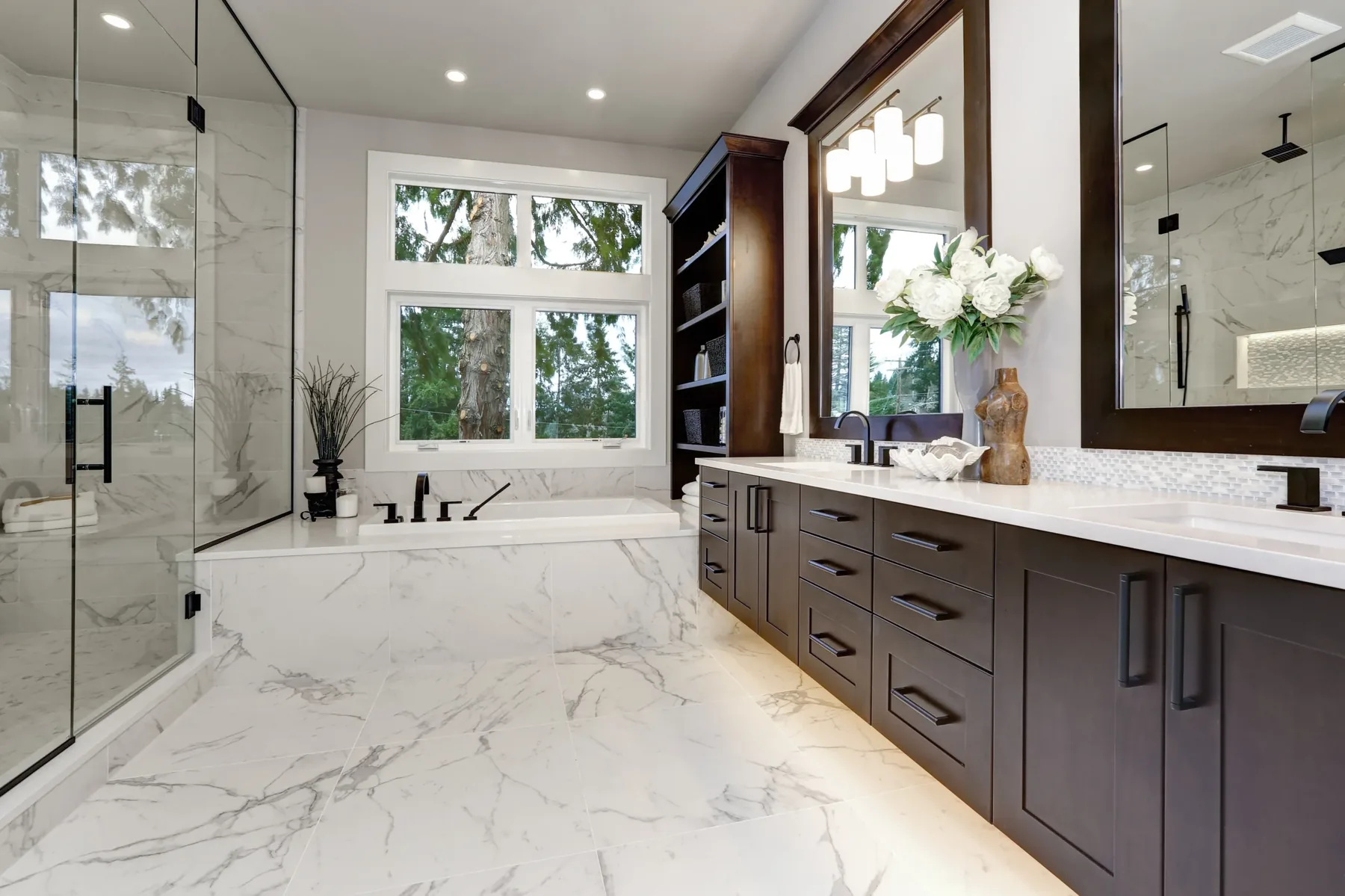
How to Spot Water Damage Under Tile Before It Becomes a Naples Remodel
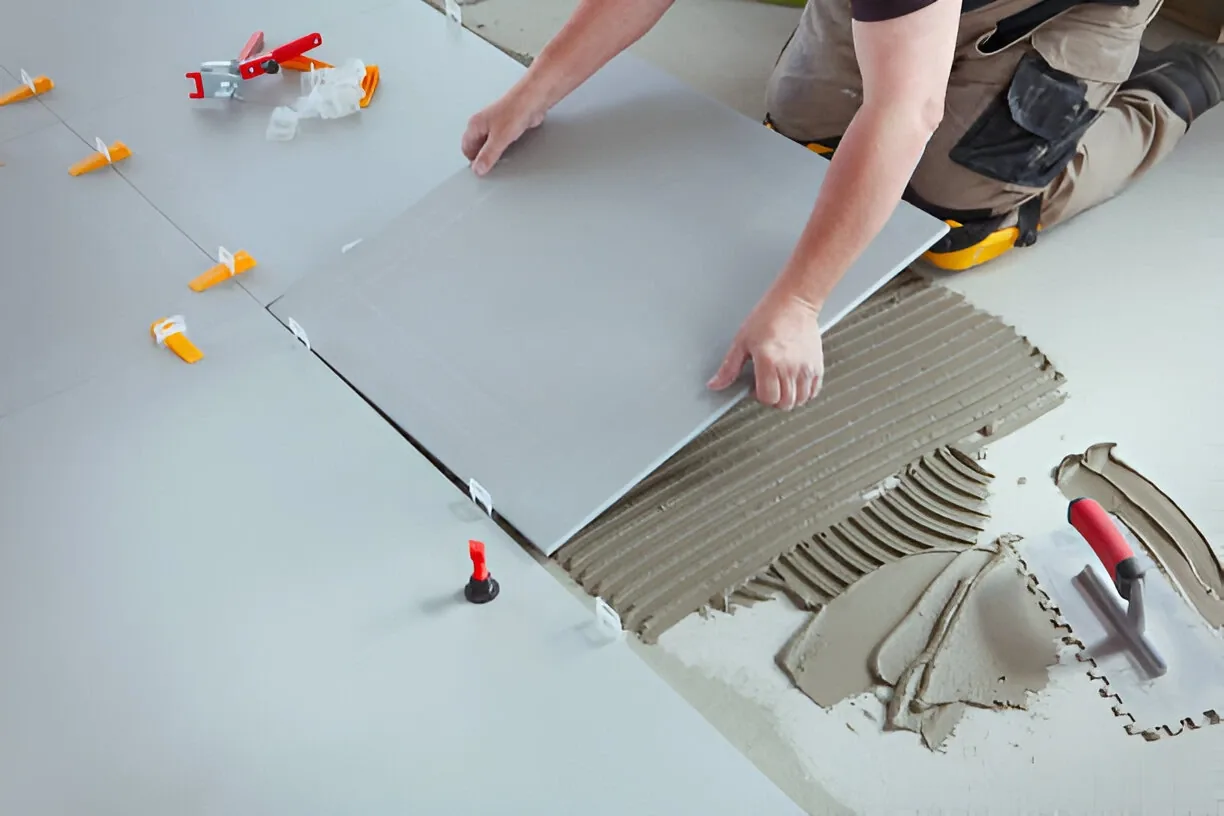
Walking through your Naples home, you notice something feels off. The tile near your shower feels slightly soft underfoot, or maybe there is a faint musty smell that will not go away no matter how much you clean. These subtle signs often point to water damage under tile, a problem that grows silently behind the scenes in Southwest Florida homes.
High humidity, afternoon thunderstorms, and the constant moisture load on bathrooms and lanais create the perfect environment for subfloor moisture intrusion. Catching these warning signs early can mean the difference between a straightforward repair and a major remodeling project.
Why Water Damage Under Tile Is Common in Southwest Florida
Our climate here in Naples and across Southwest Florida puts unique stress on tiled surfaces. The combination of high humidity, heavy seasonal rains, and salt air creates conditions where moisture finds its way into places it should not be.
Many homes in our area were built during various boom periods, and waterproofing standards have evolved significantly over the decades. Older bathrooms and lanais may have tile installed directly over concrete slabs or wood subfloors without modern moisture barriers. When water penetrates grout lines or finds gaps around fixtures, it gets trapped underneath with nowhere to escape.
The problem compounds because tile and grout themselves are not waterproof. Grout is porous by nature, and even porcelain tile has edges where water can seep through. Without proper waterproofing beneath the tile layer, that moisture sits against your subfloor, slowly causing damage you cannot see until symptoms appear on the surface.
Visual Warning Signs to Check For
Some water damage indicators are easy to spot if you know what to look for during routine inspections of your tiled areas.
Discolored or darkening grout lines are often the first visible clue. Clean grout that repeatedly turns dark despite scrubbing may be holding moisture or developing mold beneath the surface. Pay special attention to grout around shower floors, tub surrounds, and anywhere water frequently pools.
Cracked or missing grout creates direct pathways for water to reach the subfloor. Small hairline cracks might seem cosmetic, but they expand over time as the substrate shifts from moisture exposure.
Tile that appears raised or uneven compared to surrounding pieces suggests the material underneath has swollen or deteriorated. This is especially noticeable when you run your hand across the floor or look at the floor from a low angle.
Efflorescence, which looks like white powdery residue on grout or tile edges, indicates moisture moving through the substrate and depositing mineral salts as it evaporates. This is a clear sign that water is present where it should not be.
Physical and Sensory Clues
Not all water damage announces itself visually. Your other senses can detect problems before they become obvious to the eye.
Soft or spongy spots underfoot are perhaps the most concerning sign. When you step on tile and feel any give or movement, the subfloor beneath has likely begun to rot or delaminate. This is common in wood subfloor situations but can also occur when concrete slabs have moisture issues that break down adhesives.
Hollow sounds when tapping on tile with a coin or your knuckles suggest the tile has lost adhesion to the substrate. While this can happen from poor installation, it often indicates moisture has broken down the thinset bond underneath.
Persistent musty odors that linger despite cleaning point to mold or mildew growing in dark, damp spaces beneath your tile. Bathrooms with inadequate ventilation are particularly prone to this issue in our humid climate.
Cool, damp-feeling tile that never seems to dry out completely may indicate ongoing moisture intrusion from below or behind. This is worth investigating even if no other symptoms are present yet.
High-Risk Areas in Naples Homes
Certain locations in your home deserve extra attention during inspections because they face higher moisture loads.
Master bathrooms see daily water exposure from showers and baths. Walk-in showers without proper curb and pan systems are particularly vulnerable. If you are considering a bathroom remodeling project in Naples, this is the perfect time to ensure waterproofing meets current standards.
Guest bathrooms in homes owned by seasonal residents may sit unused for months, allowing any small leaks to go undetected until significant damage occurs. Having a property manager or neighbor check these spaces regularly can catch problems early.
Lanais and outdoor living areas face constant exposure to rain and humidity. Tile installed over outdoor slabs needs proper slope for drainage and quality sealants at all edges and transitions. Water pooling against your home foundation can work its way underneath indoor tile over time.
Kitchen areas near dishwashers, refrigerators with ice makers, and sinks face leak risks from appliances and plumbing. Check under sinks periodically for any signs of past leaks, and inspect tile around these areas for the warning signs described above.
When to Call a Licensed Tile Contractor
Some moisture issues homeowners can address themselves, like reapplying grout sealant or improving bathroom ventilation. But certain situations require professional assessment and repair.
If you detect soft spots, widespread hollow-sounding tile, or any signs that water damage has progressed beyond the surface, consult a licensed tile contractor in Naples. They can assess whether the problem is isolated or has spread, and recommend the appropriate scope of repair.
Waterproofing systems beneath tile are not something to DIY. Proper installation requires knowledge of current building standards, the right membrane products for your specific situation, and careful attention to details like corners, drains, and transitions. Getting this wrong means the problem will return, often worse than before.
A professional can also help you understand whether the issue stems from the tile installation itself or from plumbing leaks, slab moisture, or exterior water intrusion. These require different solutions, and treating the wrong cause wastes time and money.
Prevention Tips for Homeowners
While not all water damage is preventable, you can reduce your risk with consistent maintenance and smart choices.
- Seal grout lines every one to two years, or as recommended by your tile installer
- Caulk around tubs, showers, and sinks, and reapply when caulk shows cracks or gaps
- Run bathroom fans during and after showers to reduce humidity load
- Fix plumbing leaks immediately, even small drips
- Inspect lanai and outdoor tile seasonally for cracks or drainage issues
- Consider a moisture meter for periodic checks in high-risk areas
For outdoor spaces like pool decks and lanais, proper slope and drainage matter enormously. Standing water is your enemy. If you notice pooling on your pool deck or outdoor tile areas, address the drainage issue before replacing tile.
The Bottom Line
Water damage under tile does not announce itself with dramatic warnings. It creeps along silently, hidden beneath surfaces that look fine from above. By knowing what signs to watch for, Naples homeowners can catch problems while they are still manageable repairs rather than full-scale remodeling emergencies.
Regular inspections, prompt attention to warning signs, and professional help for waterproofing and structural issues will protect your investment and keep your tiled spaces beautiful and functional for years to come. If you have concerns about moisture intrusion in your home, reach out to our team at Dynasty Tile LLC. We have served Southwest Florida since 2016 and can assess your situation with a free, no-obligation estimate. Call us at (239) 265-2814 to discuss your project.