What Tile Works Best Over a Concrete Slab Foundation
Walk into almost any home in North Fort Myers and there is a concrete slab a few inches below your feet. That is just how Southwest Florida builds: poured-in-place slabs replace the basements and crawl spaces you find up north. For tile installation, that is mostly good news, but a slab is not a blank check. Getting a floor or bathroom that stays flat, stays bonded, and never cracks along a grout line requires understanding a few things the slab will and will not do for you.
We install tile over slabs constantly throughout this area, and the questions we hear most often are the same ones. What tile is safest to use? Does the slab need prep work? What happens when a crack shows up? This post walks through the practical answers.
Why Slab Flatness Matters More Than People Expect
Tile is rigid. When you set it over a surface that dips or crowns even slightly, the tile bridges the low spot and a small area of its back has no support. Walk over it enough times, or set a heavy piece of furniture on it, and that unsupported edge chips or the tile cracks. Florida building tolerances allow a slab to vary by a modest amount over several feet, and many older North Fort Myers homes have slabs that have settled unevenly over the decades.
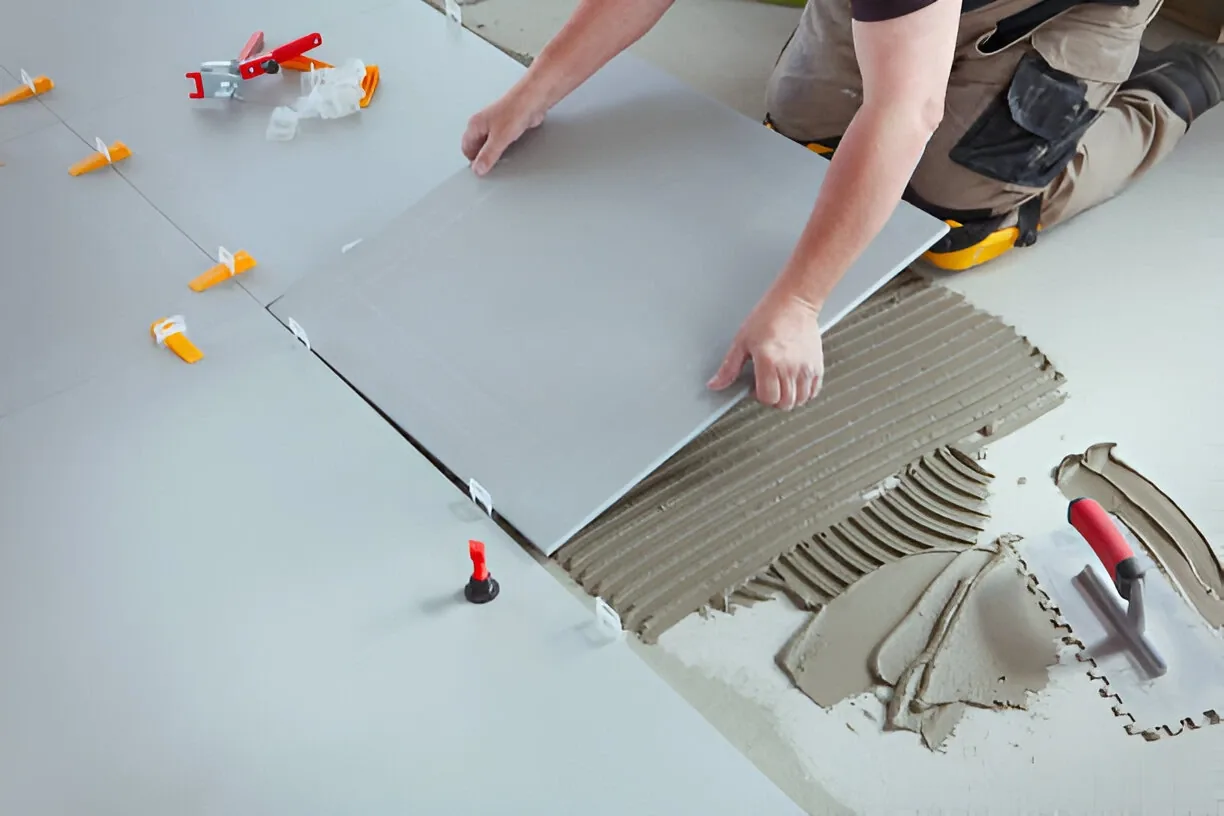
Before any tile goes down, a good installer checks flatness with a long straightedge. High spots get ground down; low spots get filled with a floor-leveling compound. Skipping this step is one of the most common reasons tiles crack within the first year. It is also one of the most common things homeowners cannot spot until the damage is done.
Large-format tiles, anything roughly 18 inches on a side or bigger, are especially sensitive to flatness. They cover more ground per piece, which means a smaller variation underneath becomes more of a problem. If your North Fort Myers home has a dated small-mosaic floor and you want to upgrade to large-format porcelain, budget time and materials for proper flattening.
Choosing the Right Tile for a Slab Installation
The good news: most tile categories work fine on a properly prepared concrete slab. Here is how to think through your options.
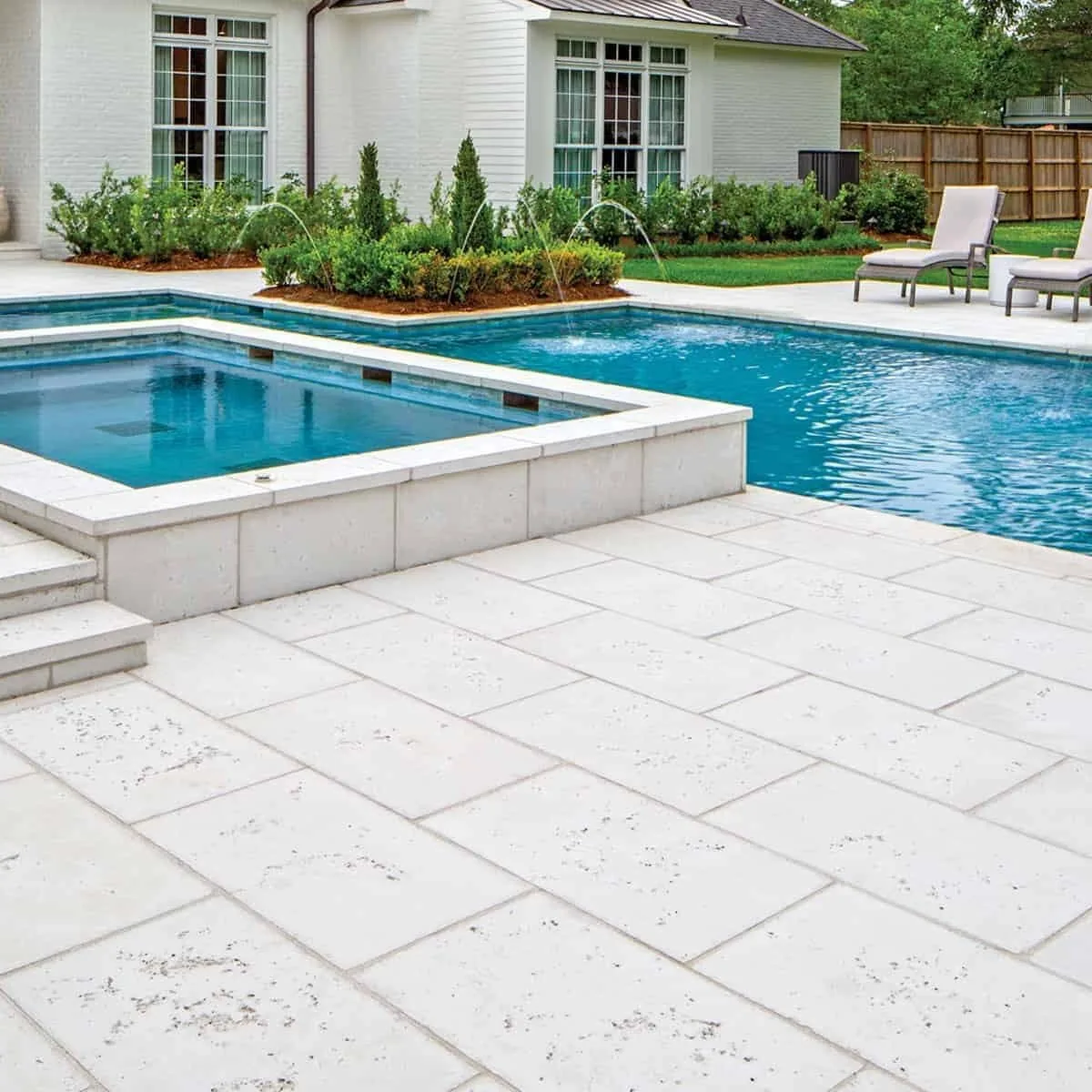
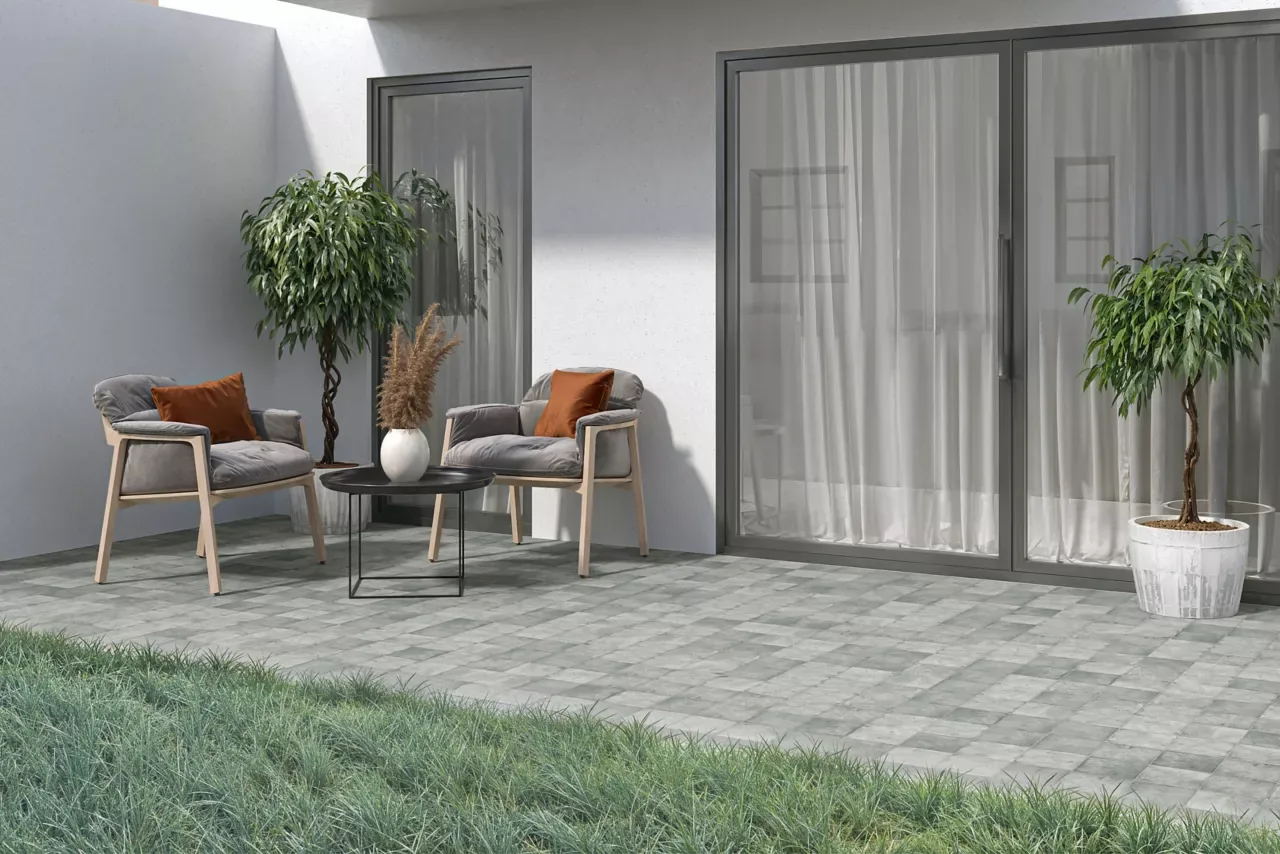
- Porcelain: Dense, low-absorption, and very hard. This is what we install most on SWFL slab floors, indoors and out. It handles moisture underneath, resists staining, and holds up to the sandy foot traffic that comes with Florida living.
- Ceramic: A solid, more budget-friendly option for dry interior rooms. Less dense than porcelain, so avoid it in areas that may see frequent water on the floor or direct outdoor exposure.
- Natural stone: Limestone, travertine, and marble add character, but they require a flatter substrate and almost always need sealing. In humid SWFL homes, salt air and moisture can work into unsealed stone over time. They perform well when installed and maintained correctly.
- Large-format tiles (24x24 and up): Popular right now and genuinely beautiful in open-plan homes, but they demand the most careful prep. Larger tiles also call for a back-buttered installation method to prevent hollow spots.
For most tile projects in North Fort Myers, rectified porcelain in a large format is the combination we recommend most often: dimensionally consistent edges, tight grout joints, low maintenance.
Cracks in the Slab: What They Mean for Your Tile
Southwest Florida's sandy soil, seasonal wet and dry cycles, and the occasional hurricane-season flooding all affect how a slab behaves over time. Hairline cracks are common in older slabs and are not automatically a reason to panic, but they do need to be addressed before tile goes down.
A crack in the slab will eventually mirror through to the tile above it if nothing is done. The mortar and grout are not flexible enough to absorb the movement. That is why filling a crack with patching compound alone is not enough. The crack can re-open with temperature changes or soil movement and push right through the patch and the tile.
The correct approach is to route out the crack, fill it with a flexible material, and then apply a crack isolation membrane over the area before setting tile. Some installers apply a sheet or liquid membrane across the whole floor, which is a more complete solution for slabs with multiple small cracks or any history of movement.
For a deeper look at what can happen under an older Florida floor, see our page on bathroom remodeling in North Fort Myers, where slab surprises are especially common in wet areas.
Uncoupling Membranes: Worth It or Overkill?
You may have heard the term uncoupling membrane, or seen a brand name like Schluter-DITRA come up in research. The concept is simple: instead of bonding tile directly to the concrete with mortar, you set the tile onto a thin plastic mat that has been bonded to the slab. The mat's geometry allows tiny horizontal movements between the slab and the tile layer, so if the slab shifts slightly, the tile floats above it rather than cracking.
In North Fort Myers, where seasonal temperature swings, humidity variation, and the occasional soil shift are all normal, an uncoupling membrane is a genuinely useful upgrade rather than a marketing gimmick. We use them on bathroom floors and on any large-format installation where the homeowner wants maximum long-term performance.
They add some thickness to the floor assembly, which matters at doorways and transitions, so the installer has to account for that in the planning stage. But for most whole-room floor projects, the added protection is worth the coordination effort.
Moisture Under the Slab: The Variable Nobody Mentions
SWFL slabs sit close to the water table, and some older slabs were poured without an adequate vapor barrier underneath. Moisture can wick upward through concrete even when the surface feels dry to the touch. If you bond tile directly with a standard cement mortar over a slab that is consistently damp from below, you can get adhesive failure over time: tiles that sound hollow when tapped, or that pop loose along the edges.
A calcium chloride test or a simple plastic-sheet test can tell you whether moisture vapor is an issue on a specific slab. If it is, the solution is either an epoxy moisture-barrier primer or a system designed to tolerate some vapor transmission. This is not a DIY diagnostic we recommend skipping on a large floor project. Moisture issues caught before installation are a simple fix; moisture issues found after the tile is down are a much bigger conversation.
This is especially relevant in North Fort Myers kitchens and bathrooms that sit on a slab with no history of recent tile work. If the previous floor covering was carpet or vinyl for decades, the slab has not been tested under tile conditions. Always worth checking.
The Bottom Line
A concrete slab is a solid starting point for tile, but it still needs attention before the first piece goes down. Flatness checks, crack treatment, moisture testing, and the right membrane choice all happen before the tile is ever touched. Get those steps right and tile over a slab can perform beautifully for decades. Skip them and you are gambling on a repair job a few years down the road.
If you are planning a floor, bathroom remodel or kitchen renovation in North Fort Myers and want a straight read on what your slab actually needs, Dynasty Tile offers free, no-obligation estimates. We have been working on Southwest Florida slabs since 2016 and we are happy to take a look before you commit to anything. Reach out at (239) 265-2814 or visit our contact page to set up a time.