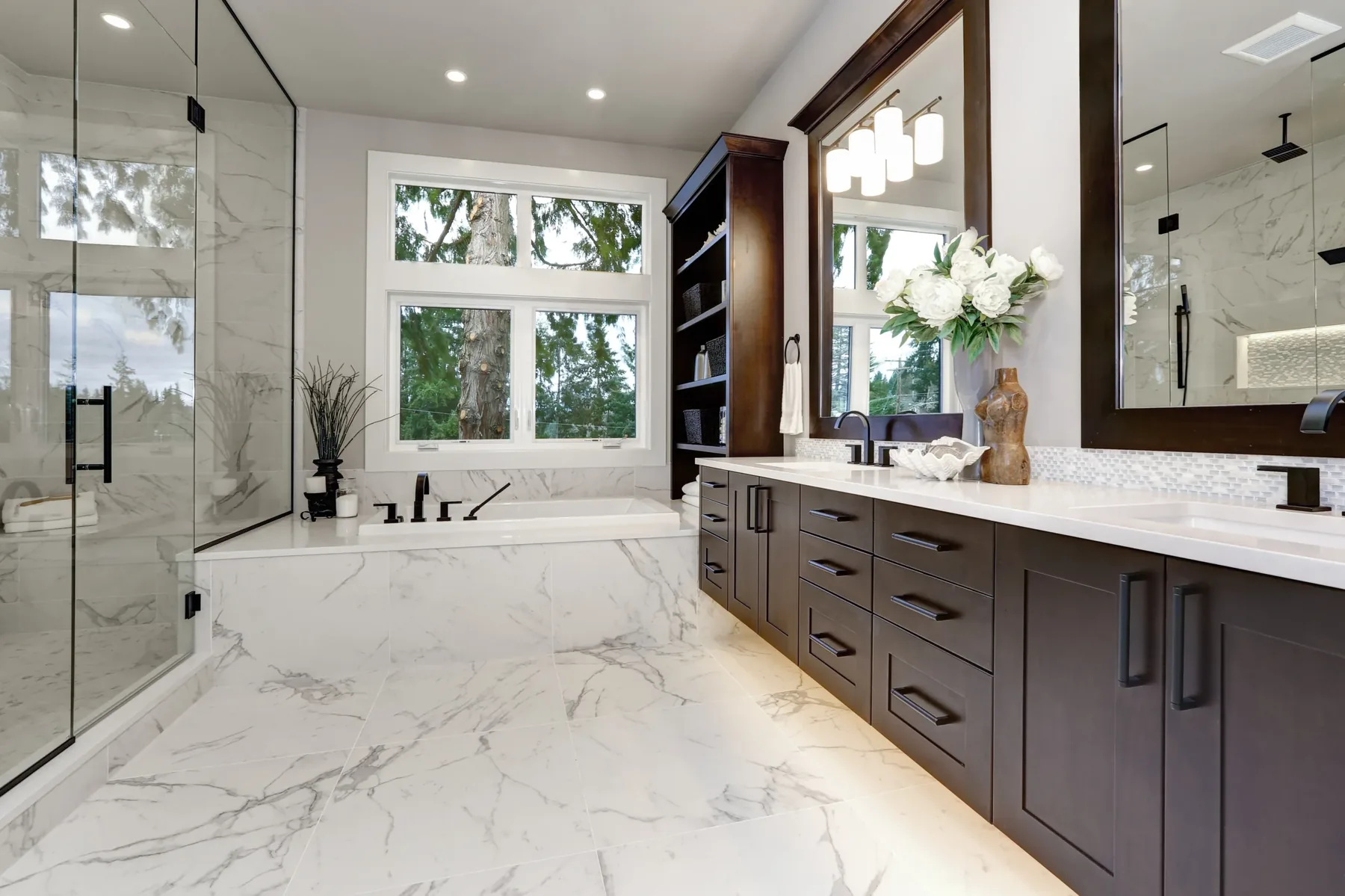
Tile Over Existing Tile: When It Is OK and When It Is Not
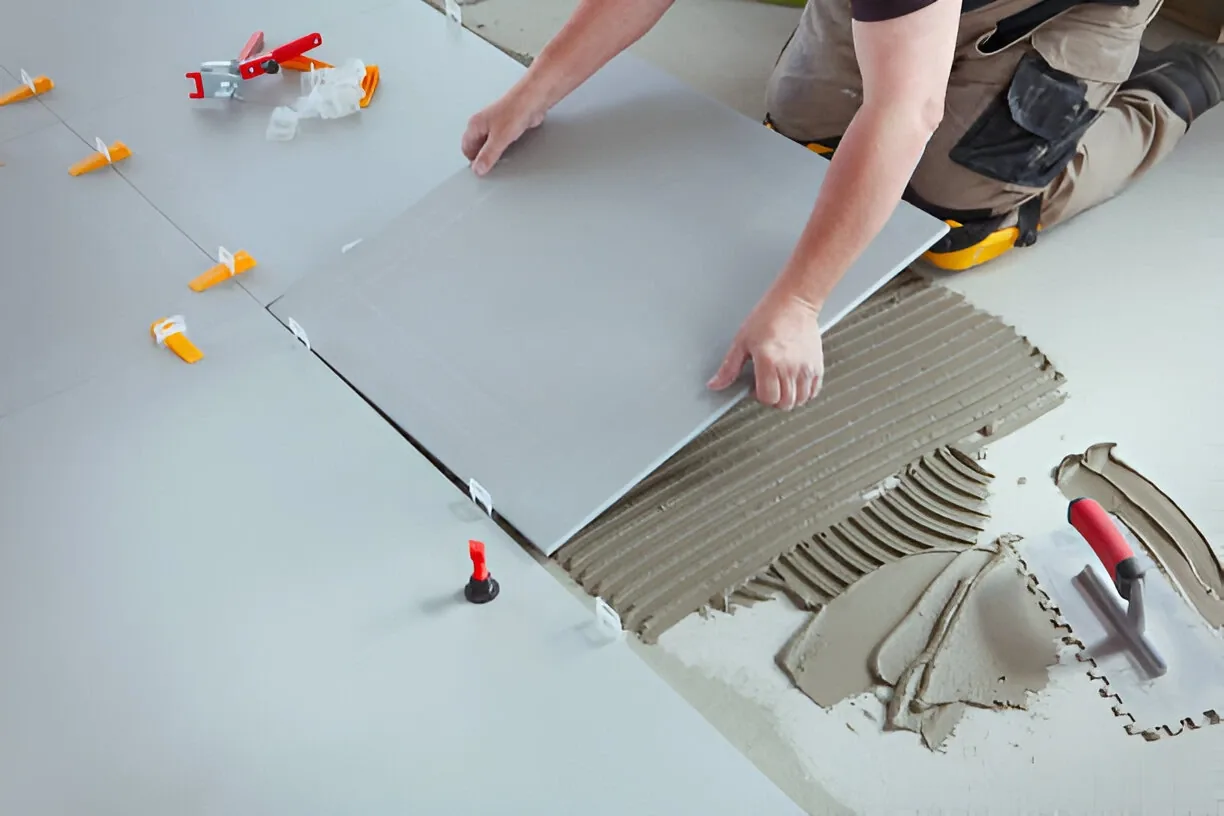
One of the most common questions we hear when homeowners in Cypress Lake start planning a remodel is whether they can simply tile over what is already there. On the surface it sounds efficient: skip the demo, skip the dust, save some time. But the reality is more complicated, and getting it wrong leads to cracked grout, hollow spots, and flooring that fails well before it should.
Below we walk through the key factors that determine whether overlaying tile is a sound choice or a shortcut that will cost you more in the end.
Why Height Matters More Than Most Homeowners Expect
Every layer of tile you add raises the finished floor level. A standard tile plus its mortar bed can add roughly three-quarters of an inch or more. When you overlay on top of an existing tile layer, you are stacking that height twice. That affects door clearances, transitions to adjacent rooms, and the height relationship between your floor and fixed elements like cabinets, vanities, and toilet flanges.
In many Cypress Lake homes built in the 1980s and 1990s, the original floors are already slightly raised from one or more previous remodels. By the time we pull up the existing tile, we sometimes find two or even three generations of flooring under there. Adding another layer without addressing what is below rarely ends well.
Adhesion: What the Substrate Really Determines
New tile bonds to whatever surface it sits on. If that surface is an old tile that is properly adhered, smooth, and in good structural condition, adhesion to it is possible with the right mortar. But if the existing tile has any movement, the new layer will eventually move with it.
In Southwest Florida, thermal cycling is a real factor. Outdoor spaces like lanais see temperature swings from hot summer afternoons to cooler winter mornings that cause materials to expand and contract repeatedly. In wet areas like showers and kitchen backsplashes, moisture gets into every micro-gap it can find. When the bond between old tile and substrate weakens even slightly, the new tile on top will follow.
The safest overlays happen over a single existing layer that is completely solid, with no loose pieces, no hollow spots, and no residual wax or sealers that would prevent bonding.
The Hollow Spot Problem
Before any tile goes down over existing tile, a professional will do a full tap test, moving systematically across the floor or wall and listening for hollow sounds. A hollow tile is one that has delaminated from its mortar bed. Tiling over hollow tiles locks in a structural weakness. Under foot traffic or thermal movement, the tile above will eventually crack along the same fault line below.
We see this regularly in bathroom remodels in Cypress Lake. A homeowner wants to refresh the look, and by the time we tap the floor, a significant portion of the original tile has already delaminated. At that point, overlaying simply is not an option. The right call is a full tear-out so we can inspect and repair the substrate before anything new goes down.
When a Tear-Out Is the Smarter Investment
Tear-out takes more time and creates more disruption, but it gives you a clean slate. You get to see exactly what is happening at the substrate level. In Florida homes built on slab, moisture intrusion, efflorescence, and minor cracking are all things we find and can address before they become a problem under the new tile.
For kitchen remodeling projects in Cypress Lake, a tear-out also gives you the opportunity to level the slab properly. Many older Florida homes have minor slab deflection from decades of settlement, and a fresh mortar bed lets us correct that. An overlay does not.
If you are doing a bathroom remodel that includes any work in the wet zone, waterproofing is another reason to tear out. You cannot properly waterproof a shower pan or wall assembly when you are building over an existing layer of unknown condition. Waterproofing must be applied directly to a clean, stable substrate, and that means the old tile has to come out.
The Cases Where Overlay Actually Works
There are legitimate situations where tiling over existing tile makes sense. Dry areas with a single solid layer of well-adhered tile, no hollow spots, no leveling issues, and a substrate that can handle the added weight are reasonable candidates. Some commercial-grade dry rooms and certain entryways meet this criteria.
Height gain must still be calculated and accounted for at every transition point. If raising the floor creates a tripping hazard at a doorway or causes a door to bind, the overlay option is off the table regardless of substrate condition.
For outdoor projects like a pool deck or lanai tile installation, overlay is rarely the right call. Outdoor environments in Southwest Florida put tile through far more stress than interior spaces, and starting with a clean, properly prepared surface is the only way to get a result that holds up. If you are considering pool deck work in Cypress Lake, expect that existing material will likely need to come up first.
What to Ask Before You Decide
If a contractor tells you that tiling over your existing floor is fine without doing a thorough tap test and measuring the height impact first, that is a red flag. A responsible assessment includes checking every tile for delamination, measuring the current floor height relative to doors and transitions, confirming the substrate can carry the added load, and evaluating whether any moisture or waterproofing concerns exist beneath the current tile.
As a licensed tile contractor serving Southwest Florida since 2016, we walk through this assessment on every job before recommending an approach. Sometimes overlay is the right call. Often it is not. The answer depends on what is actually there, not on what is convenient.
The Bottom Line
Tiling over existing tile can work under the right conditions, but those conditions are specific and worth verifying carefully. Height gain, adhesion quality, hollow spots, substrate condition, and wet-area waterproofing requirements all have to be evaluated together before a decision is made. For most Cypress Lake homeowners dealing with older floors or any wet-area work, a full tear-out gives you the most reliable foundation for tile that will last.
If you are weighing your options on a remodel, we are happy to take a look and give you an honest assessment. Reach out at (239) 265-2814 or visit our contact page to schedule a free, no-obligation estimate.