Travertine Pavers Around a Venice Pool: What Homeowners Need to Know
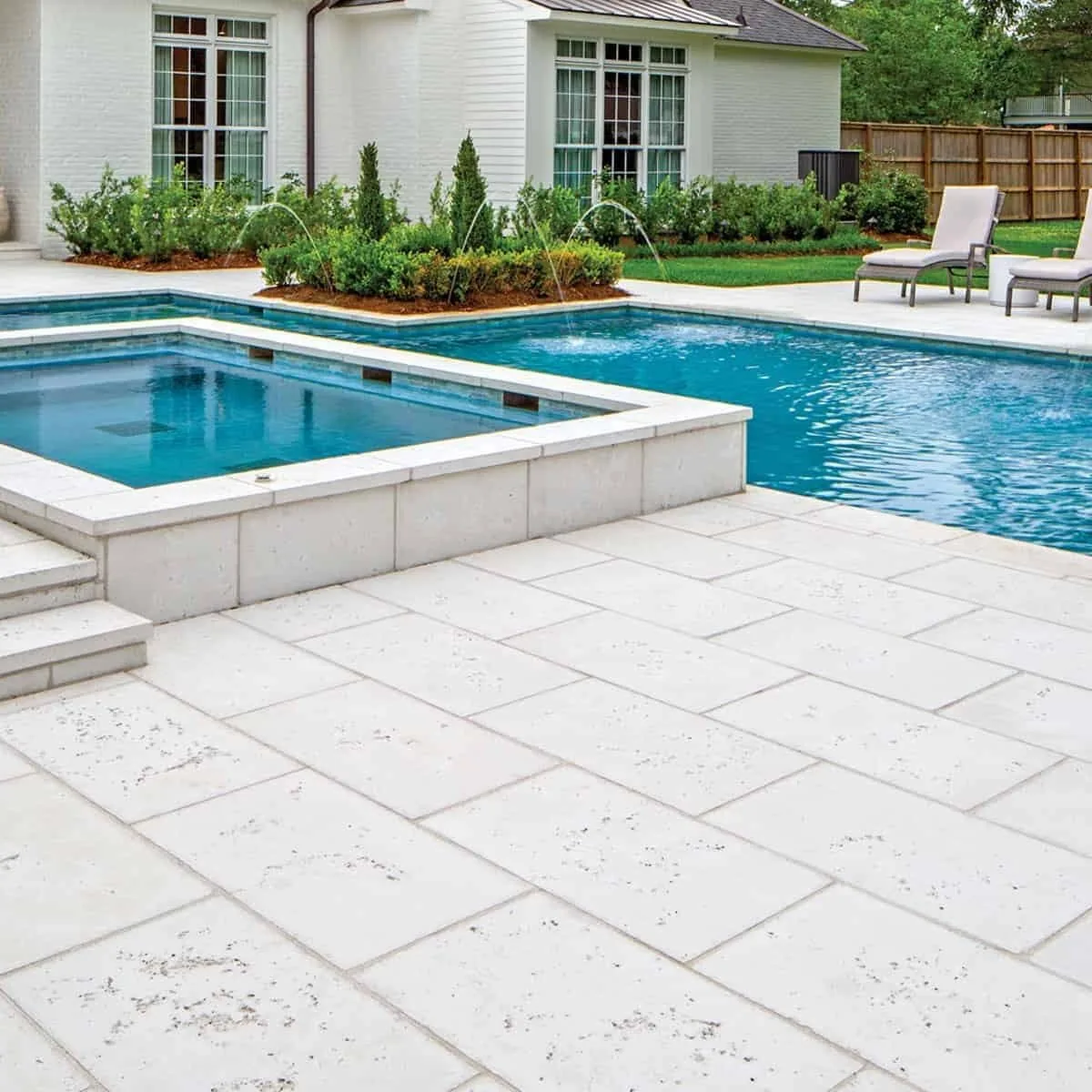
There is a reason so many Venice homeowners gravitate toward travertine when remodeling their pool deck. The natural stone has a warmth and elegance that feels at home in Southwest Florida's indoor-outdoor lifestyle. It stays cool under bare feet even on hot summer afternoons, and its earthy tones blend beautifully with the light and water of a typical lanai setting.
But travertine is not porcelain. It is a natural calcium-based stone that reacts to salt, minerals and humidity in ways that demand attention. If you are considering travertine pool pavers in Venice FL, you need a clear picture of both the beauty and the upkeep before you commit.
Why Travertine Appeals to Venice Pool Owners
Travertine forms in mineral springs and has been used in construction for thousands of years. What you get on your pool deck is genuine stone with natural variation, subtle veining and a tactile surface that feels premium underfoot.
The biggest draw for pool decks here is temperature. Travertine reflects heat rather than absorbing it, so it stays noticeably cooler than concrete pavers or dark porcelain on a sunny Southwest Florida day. For families who spend hours around the pool, that barefoot comfort matters. Kids can run from the water to the lanai without burning their feet. Adults can lounge without worrying about hot surfaces.
The natural color palette also works well with Venice home styles. Whether you have a Mediterranean-inspired exterior, a coastal contemporary look or a more traditional Florida ranch, travertine's cream, beige and walnut tones tend to complement rather than clash. There is no need to match grout colors or worry about pattern repetition because each stone is unique.
The Coastal Reality: Salt Air, Hard Water and Humidity
Venice sits right on the Gulf Coast, and that location brings specific challenges for natural stone. Salt air is constant, even if you are not directly waterfront. Humidity runs high much of the year. Pool water itself carries chlorine, bromine or salt system minerals that splash onto the deck daily.
Travertine is porous. It has natural pits and voids that are part of its character, but those same voids absorb water, salt and minerals. Over time, this can lead to several issues:
- Efflorescence: White mineral deposits that rise to the surface as water evaporates. This is common with hard water and looks like a chalky film.
- Darkening or discoloration: Organic matter, algae and tannins from nearby landscaping can settle into the pores and cause uneven dark patches.
- Pitting and erosion: Acidic substances like certain pool chemicals or citrus leaf litter can etch the surface if left unattended.
- Freeze damage is not a concern here, but thermal expansion from hot sun followed by evening rain can stress poorly installed stone.
This does not mean travertine fails in coastal Florida. It means you need to understand what you are signing up for. Travertine maintenance in coastal Florida is an ongoing commitment, not a once-a-year task.
Travertine vs Porcelain for Venice Pool Decks
Many homeowners we talk to are weighing travertine against porcelain pavers. Both have merit, and the right choice depends on your priorities.
Travertine advantages:
- Natural stone with unique variation in every piece
- Stays cooler underfoot than most materials
- Classic, high-end appearance that ages gracefully
- Comfortable textured surface that is naturally slip resistant when honed
Travertine disadvantages:
- Requires sealing every 1 to 2 years in our climate
- More vulnerable to staining from oils, sunscreen and organic debris
- Can etch from acidic pool chemicals or rain mixed with pollutants
- Higher long-term maintenance than porcelain
Porcelain paver advantages:
- Nearly impervious to water, salt and chemicals
- Minimal maintenance beyond regular cleaning
- Consistent color and pattern
- Often less expensive over the life of the deck
Porcelain paver disadvantages:
- Can run hotter in direct sun depending on color
- Lacks the natural variation some homeowners want
- Requires proper slope and drainage to prevent water pooling
For Venice homeowners who want the look of natural stone but prefer lower maintenance, we often discuss porcelain pavers that mimic travertine. Modern options are convincing and perform well in pool deck remodeling projects where durability is the priority.
Installation Matters More Than the Stone Itself
How travertine is installed determines how long it lasts and how well it handles our Southwest Florida conditions. This is not a material to cut corners on.
The slab or base must be properly sloped away from the house and pool equipment. Water should never sit on travertine for extended periods. In our humidity, standing water encourages algae growth and accelerates mineral deposition. A licensed tile contractor will ensure the substrate is level, stable and sloped at least a quarter inch per foot toward drains or landscape areas.
Joint spacing also matters. Travertine pavers need room to expand and contract with temperature swings. Too tight and you risk cracking. Too wide and debris accumulates. Most installations use 1/8 to 1/4 inch joints filled with polymer-modified grout or sand depending on the paver style.
Sealing should happen after installation and again once the stone has fully cured. Do not skip this step. A quality penetrating sealer fills the pores and creates a barrier against salt, chlorine and organic stains. Reapply every 12 to 24 months depending on usage and exposure.
Day-to-Day Care for Travertine Pool Decks
If you decide travertine is right for your Venice home, here is what ongoing care looks like:
- Daily or every-other-day: Rinse the deck with fresh water from a hose. This removes salt residue, chlorine and sunscreen before they settle into the stone.
- Weekly: Sweep debris like leaves and sand. Use a pH-neutral stone cleaner for any spots. Avoid vinegar, lemon juice or generic bathroom cleaners that are acidic.
- Monthly: Do a deeper clean with a soft brush and stone-safe detergent. Pay attention to corners and areas near pool equipment where chemicals concentrate.
- Seasonally: Inspect for dark spots, efflorescence or pitting. Address problems early. A professional outdoor tile specialist can assess whether re-sealing or spot treatment is needed.
- Annually or biannually: Re-seal the entire deck. Test by sprinkling water on the surface. If it beads up, the seal is working. If it soaks in immediately, it is time to reseal.
One thing we see often in SWFL: homeowners wait until the stone looks visibly worn before addressing it. By then, the damage is deeper and harder to reverse. Set a calendar reminder for sealing. It is easier to maintain than to restore.
When to Call a Professional
Some travertine issues are within reach of a careful homeowner. Others need a licensed tile contractor. Here is the line:
Handle it yourself: routine rinsing, sweeping, mild cleaning with stone-safe products, checking seal effectiveness.
Call a professional: widespread discoloration, deep etching, loose or cracked pavers, efflorescence that returns after cleaning, or if you are unsure about the condition of the substrate underneath.
Do not attempt to remove and replace pavers yourself unless you understand drainage and slope requirements. Improper leveling leads to water pooling, which accelerates wear and can create slip hazards. For Venice homeowners who want expert assessment, our team provides free, no-obligation estimates for pool deck remodeling and can evaluate whether your travertine needs repair, resealing or replacement.
The Bottom Line
Travertine pool pavers in Venice FL offer genuine beauty and barefoot comfort that few materials match. The natural stone aesthetic fits the coastal Florida lifestyle, and the cool-underfoot quality makes it a favorite for families who live around their pool.
But travertine demands respect. Salt air, humidity and pool chemicals all take a toll. If you are willing to commit to regular rinsing, annual sealing and prompt attention to stains or discoloration, travertine can serve your Venice home beautifully for many years. If you prefer minimal maintenance, porcelain pavers that mimic travertine may be the smarter long-term choice.
Either way, installation quality determines performance. Work with a licensed tile contractor who understands Southwest Florida conditions and can slope, seal and space your pavers correctly from the start. That foundation matters more than any product claim.