Why Grout Lines Stain Faster in Lehigh Acres Homes and How to Slow It
If you live in Lehigh Acres and notice your tile grout turning gray or brown within months of installation, you are not imagining things. Something about this area makes grout discolor faster than in other parts of Southwest Florida.
After working with homeowners here since 2016, we have seen the same pattern repeat itself. Sandy soil tracked in from driveways, Florida hard water minerals, and the high foot traffic common in budget-friendly neighborhoods all combine to accelerate grout staining. The good news is that understanding why this happens gives you real options for slowing it down.
Three Local Factors That Accelerate Grout Staining
Lehigh Acres sits on sandy Florida soil, and that sand finds its way indoors. Every time someone walks in from the driveway or the lanai, fine particles come with them. Sand is abrasive. When it gets ground into grout lines underfoot, it creates microscopic scratches that trap dirt and moisture. Over time, those scratches become permanent staining.
Hard water is another major factor. Southwest Florida water contains high levels of calcium and magnesium. When shower water evaporates or when you mop with tap water, those minerals deposit into the porous surface of grout. White or light-colored grout shows this mineral buildup as yellowing or gray discoloration that regular scrubbing cannot remove.
The third factor is foot traffic patterns. Lehigh Acres has many families with kids, pets, and frequent guests. Entryways, kitchen floors, and master bathroom showers see constant use. More traffic means more dirt, more moisture, and more opportunities for grout to absorb stains before you notice them forming.
Why Florida Humidity Makes Grout Problems Worse
High humidity is a fact of life in Southwest Florida, especially during the rainy season. Humidity keeps grout damp for longer periods after showers, mopping, or rain tracking in from the lanai. Damp grout absorbs stains more readily than dry grout.
Mold and mildew spores thrive in this environment. What looks like dirt staining may actually be biological growth feeding on moisture trapped in grout lines. This is especially common in showers and around pool areas where water exposure is frequent. If your grout darkens in patches rather than uniformly, moisture and mildew are likely contributors.
Seasonal residents face a related problem. Homes that sit closed up for months at a time develop stale, humid air inside. When owners return and start using showers again, grout that has been damp in stagnant air stains almost immediately. Running dehumidifiers and flushing plumbing before extended use can help reduce this effect.
What Grout Sealers Actually Do in Florida Conditions
Not all grout sealers perform the same in Southwest Florida. The humidity and hard water here test products in ways that drier climates do not. Understanding what sealers can and cannot do helps you set realistic expectations.
Penetrating sealers soak into grout pores and create a water-repellent barrier from within. These work well for floor grout in kitchens and entryways where you want protection without changing the grout appearance. They need reapplication every one to two years in high-traffic areas.
Membrane-forming sealers create a surface film that blocks stains more aggressively. These work well in showers where water exposure is constant. The trade-off is that they can wear unevenly in high-traffic spots and may need more frequent touch-ups. Some homeowners notice a slight sheen that changes the grout look.
Epoxy grout is worth considering for new installations or full remodels. Epoxy grout does not require sealing because it is non-porous. It resists staining, mildew, and hard water deposits far better than cement-based grout. The downside is higher material cost and more demanding installation. For Lehigh Acres homeowners planning a bathroom remodel or kitchen update, epoxy grout pays for itself in reduced maintenance.
One important note: sealers work only on clean, dry grout. Applying sealer over already-stained grout locks the stain in permanently. If your grout is discolored, cleaning or professional restoration comes before sealing.
Practical Steps to Keep Grout Clean in Lehigh Acres Homes
Prevention matters more than correction when it comes to grout staining. Once grout darkens, restoring it requires aggressive cleaning or replacement. These habits reduce how fast staining occurs:
- Place quality walk-off mats at every entry, including the lanai door. Sweep or vacuum mats weekly to remove trapped sand before it gets tracked further inside.
- Use a squeegee on shower walls and floors after each use. This simple habit removes standing water before minerals can deposit into grout lines.
- Mop with distilled or filtered water when possible. If you use tap water, go over the floor with a dry mop or towel to remove standing water before it evaporates.
- Avoid vinegar or acidic cleaners on grout. Acid etches grout surfaces, making them rougher and more prone to trapping dirt. Use pH-neutral tile cleaners instead.
- Reapply penetrating sealer every 12 to 18 months in high-traffic areas. Test by sprinkling water on grout: if it darkens immediately, the sealer has worn and needs refreshing.
For showers with existing mildew staining, a paste of baking soda and hydrogen peroxide applied overnight can lift surface discoloration. Bleach-based cleaners work temporarily but can weaken grout over time. If staining returns within weeks, the grout may need professional cleaning or replacement.
When to Call a Licensed Tile Contractor
Some grout problems go beyond what cleaning and sealing can fix. If grout is cracking, crumbling, or has deep black staining that penetrates the full depth, the underlying installation may have issues. Moisture trapped beneath tile, failed waterproofing, or movement in the substrate can all cause grout failure.
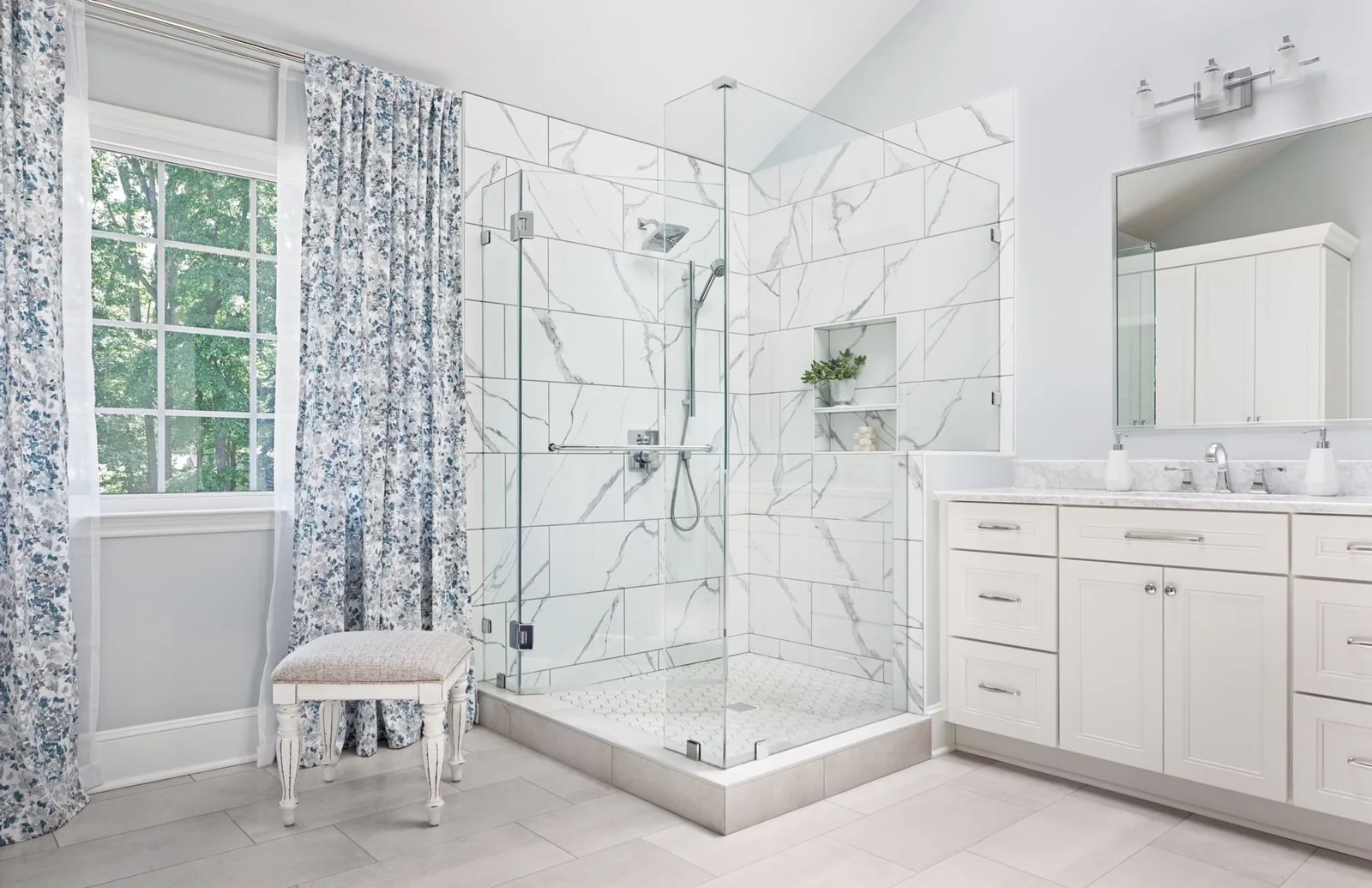
Homeowners in Lehigh Acres dealing with persistent shower grout problems should consider whether waterproofing was done correctly during installation. Florida building codes require specific waterproofing methods in wet areas, and shortcuts here lead to recurring issues. A licensed tile contractor can assess whether grout replacement alone will solve the problem or if deeper repairs are needed.
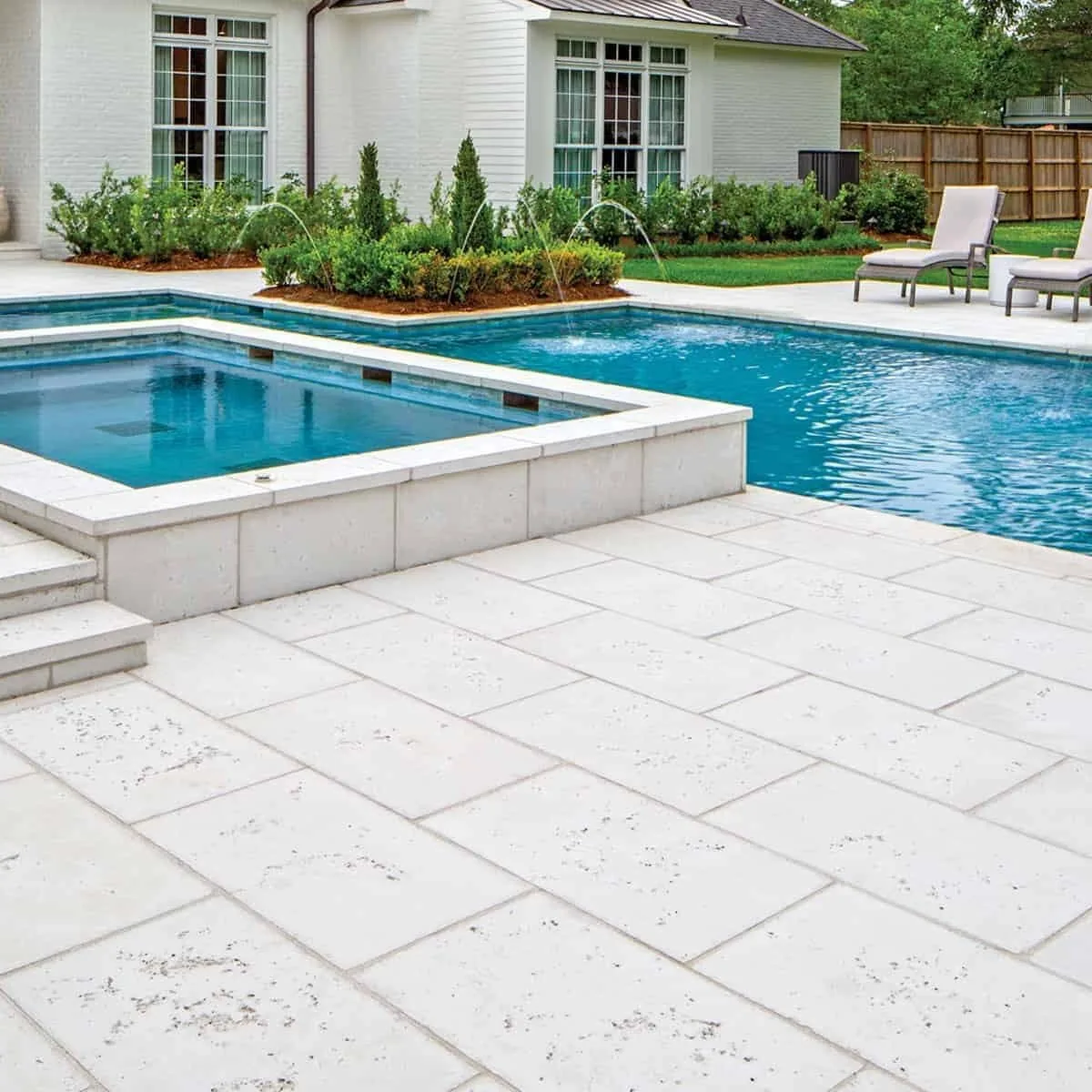
For outdoor areas like pool decks and lanais, grout staining often signals that the wrong grout type was used. Outdoor installations need flexible, weather-resistant grout that handles thermal expansion and UV exposure. If your outdoor grout cracks every summer or fades quickly, the material itself may be wrong for Southwest Florida conditions. We discuss options for these situations with homeowners considering pool deck updates or lanai improvements.
The Bottom Line
Grout staining happens faster in Lehigh Acres due to a combination of sandy soil, hard water, humidity, and heavy use. You cannot eliminate these factors, but you can slow their effects with the right sealer, consistent maintenance habits, and realistic expectations about how grout ages in Florida.
For new installations, invest in quality grout and sealing from the start. For existing tile, establish a cleaning routine that removes dirt before it bonds into grout lines. And when staining becomes persistent despite your efforts, consult a licensed professional to rule out installation or waterproofing issues.
Dynasty Tile is a licensed tile contractor based in Fort Myers, serving Southwest Florida since 2016. We offer free, no-obligation estimates for homeowners in Lehigh Acres and surrounding communities. Call (239) 265-2814 to discuss grout sealing, tile maintenance, or remodeling projects.