Why Pool Deck Grout Cracks Every Summer in Fort Myers Beach
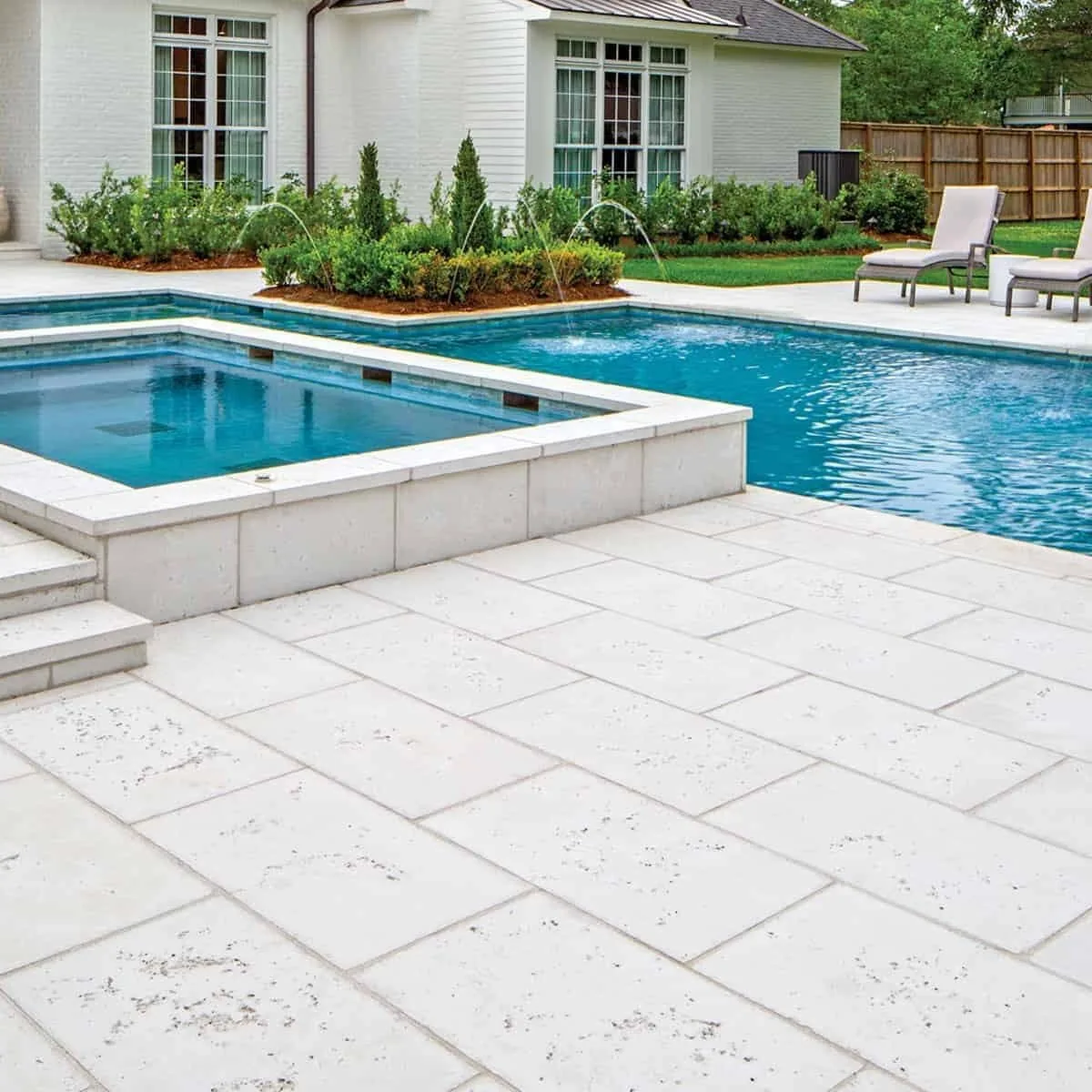
If you own a pool in Fort Myers Beach, you have probably noticed it by mid-July. Those hairline cracks in your pool deck grout that were not there in spring suddenly appear after a few weeks of brutal afternoon sun. The grout powders, flakes out, or worse, the tiles themselves start to tent or pop loose. This is not a defect in your materials. It is physics, and it happens to thousands of pool decks across Southwest Florida every single summer.
As a licensed tile contractor serving Fort Myers Beach since 2016, we see this pattern year after year. Homeowners call us in August or September wondering what went wrong with their pool deck installation. The truth is that most pool deck grout cracking comes down to one preventable issue: inadequate expansion joint planning during the original installation. Here is what is actually happening under your feet and how to avoid it on your next pool deck project.
Thermal Expansion Is Not Optional in Southwest Florida
Tile and concrete expand when they heat up. This is basic material science, but it gets ignored far too often in pool deck installations. In Fort Myers Beach, your pool deck can reach surface temperatures of 140 degrees or higher during peak summer afternoons. That dark porcelain paver you chose for its elegant look is absorbing serious heat, and it needs somewhere to go as it expands.
When tile expands with nowhere to move, it pushes against adjacent tiles. The grout joint, being the weakest point in the system, cracks first. If the expansion force is strong enough, the tiles themselves will lift or tent. We have pulled up pool deck tiles where the expansion pressure was so severe that the tiles snapped in half. This is not grout failure. This is the tile telling you it had no room to breathe.
The expansion rate varies by material. Porcelain pavers expand less than natural stone, but they still expand. Concrete slabs underneath also expand and contract with temperature swings. When you install tile directly over a concrete slab without accounting for movement, you are setting up a failure point that the Florida sun will exploit every single summer.
Why Fort Myers Beach Pool Decks Face Extra Stress
Pool decks in Fort Myers Beach deal with conditions that inland properties do not. The combination of intense direct sunlight, high humidity, salt air, and the constant temperature differential between the cool pool water and the scorching deck surface creates a perfect storm for expansion-related damage.
Think about what your pool deck experiences on a typical July day. The slab heats up all morning, then gets splashed with 82-degree pool water throughout the afternoon. That rapid temperature cycling causes repeated expansion and contraction. Over a single summer, your pool deck may go through hundreds of these thermal cycles. Each one adds stress to the grout joints and the bond between tile and substrate.
Salt air also plays a role here. While it does not directly cause grout cracking, salt deposits can work their way into micro-cracks and accelerate deterioration. Homes right on the water in Fort Myers Beach see this more than properties a few miles inland. If your pool deck is within a mile of the Gulf, you need to be especially diligent about maintenance and sealing to keep salt from working into vulnerable joints.
How Proper Expansion Joints Prevent Cracking
Expansion joints are intentional gaps filled with a flexible material that allow tile to move without cracking. They are not optional in Southwest Florida pool deck installations. They are essential. The Tile Council of North America recommends expansion joints at regular intervals for exterior tile installations, and Florida's climate makes following these guidelines even more critical.
Here is what proper expansion joint planning looks like on a pool deck:
- Perimeter joints around the entire pool deck edge where tile meets walls, coping, or other fixed structures
- Field joints spaced every 8 to 12 feet in both directions across large deck areas
- Isolation joints where the pool deck meets the house foundation or other concrete slabs
- Control joints that align with existing cracks or control joints in the underlying concrete slab
The flexible filler material matters too. We use high-quality silicone or polyurethane sealants designed for exterior use and constant water exposure. These materials stay flexible for years and can handle the full range of movement your deck will experience. Cheap caulk will fail within a season, leaving you right back where you started.
Red Flags We See on Failed Pool Deck Installations
When we get called to repair a cracking pool deck in Fort Myers Beach, we often find the same mistakes. Knowing what to look for can help you avoid hiring a contractor who will repeat them on your project.
The most common issue is no expansion joints at all. Some installers run tile wall-to-wall with only standard grout joints, assuming the grout will absorb all the movement. It will not. Grout is rigid once cured. It cannot stretch or compress enough to handle thermal expansion in Florida heat.
Another red flag is expansion joints in the wrong locations. We have seen decks with perimeter joints but no field joints across a 20-foot expanse of tile. The perimeter joint helps, but the center of that large field still has nowhere to move. Joints need to be spaced appropriately for the total square footage and layout of your deck.
Poor substrate preparation also contributes to cracking. If the concrete slab underneath has existing cracks that were not addressed, or if the slab itself was not poured with proper control joints, the tile above will crack along those same lines. A quality installer will inspect and repair the substrate before any tile goes down. For more on pool deck options, see our pool deck remodeling services.
What to Ask Before Your Pool Deck Tile Installation
If you are planning a new pool deck or replacing an existing one, ask your contractor specific questions about expansion joints before work begins. Their answers will tell you whether they understand Florida's unique demands.
Start by asking where they plan to place expansion joints on your specific deck layout. A knowledgeable installer should be able to walk your property and point out exactly where joints will go. They should mention perimeter joints, field joints for large areas, and any isolation joints needed where different structures meet.
Ask what type of flexible joint filler they use. The answer should be a specific product name or at least a category like silicone or polyurethane sealant rated for exterior submerged or water-exposed applications. If they say they just use grout or standard caulk, that is a warning sign.
Also ask about the substrate. Will they inspect and repair the existing concrete slab? Do they install a crack isolation membrane if there are existing cracks? These steps add to the project cost, but they prevent far more expensive repairs down the road. Quality outdoor installations require attention to details you cannot see once the tile is down. Learn more about outdoor tile options for Southwest Florida homes.
Can You Fix Cracked Grout Without Replacing the Whole Deck
Minor grout cracking can sometimes be repaired without a full replacement, but it depends on the extent of the damage and whether tiles have tented or loosened. If the tiles are still firmly bonded and only the grout is cracked, a professional can remove the damaged grout and re-grout with a flexible, polymer-fortified product designed for exterior use.
However, if tiles have lifted or cracked, spot repairs will not solve the underlying problem. The expansion pressure that caused the damage is still there. You may get another season out of a patch job, but the cracks will return. In these cases, partial or full replacement with proper expansion joints is the only permanent solution.
For homeowners in Fort Myers Beach dealing with this issue, we recommend getting a professional assessment before deciding on repairs. What looks like simple grout cracking on the surface may indicate deeper problems with the installation. We offer free estimates to evaluate pool deck conditions and discuss repair versus replacement options. You can reach us at contact to schedule an evaluation.
The Bottom Line
Pool deck grout cracking every summer is not inevitable. It is the result of installations that do not account for thermal expansion in Southwest Florida's extreme heat. Proper expansion joint placement during installation prevents the vast majority of these issues. When hiring a contractor for your pool deck, make sure they can explain their expansion joint strategy in detail.
If you are in Fort Myers Beach and dealing with cracked grout or tented tiles, the solution starts with understanding what caused the failure. A licensed tile contractor with experience in outdoor pool deck installations can assess your deck and recommend the right path forward. For homeowners throughout Southwest Florida, we provide pool deck remodeling services with proper expansion joint planning built into every installation.